PASTICHE PHOTOGRAPHY
Travel & Destination Photography
PASTICHE PHOTOGRAPHY
Travel & Destination Photography
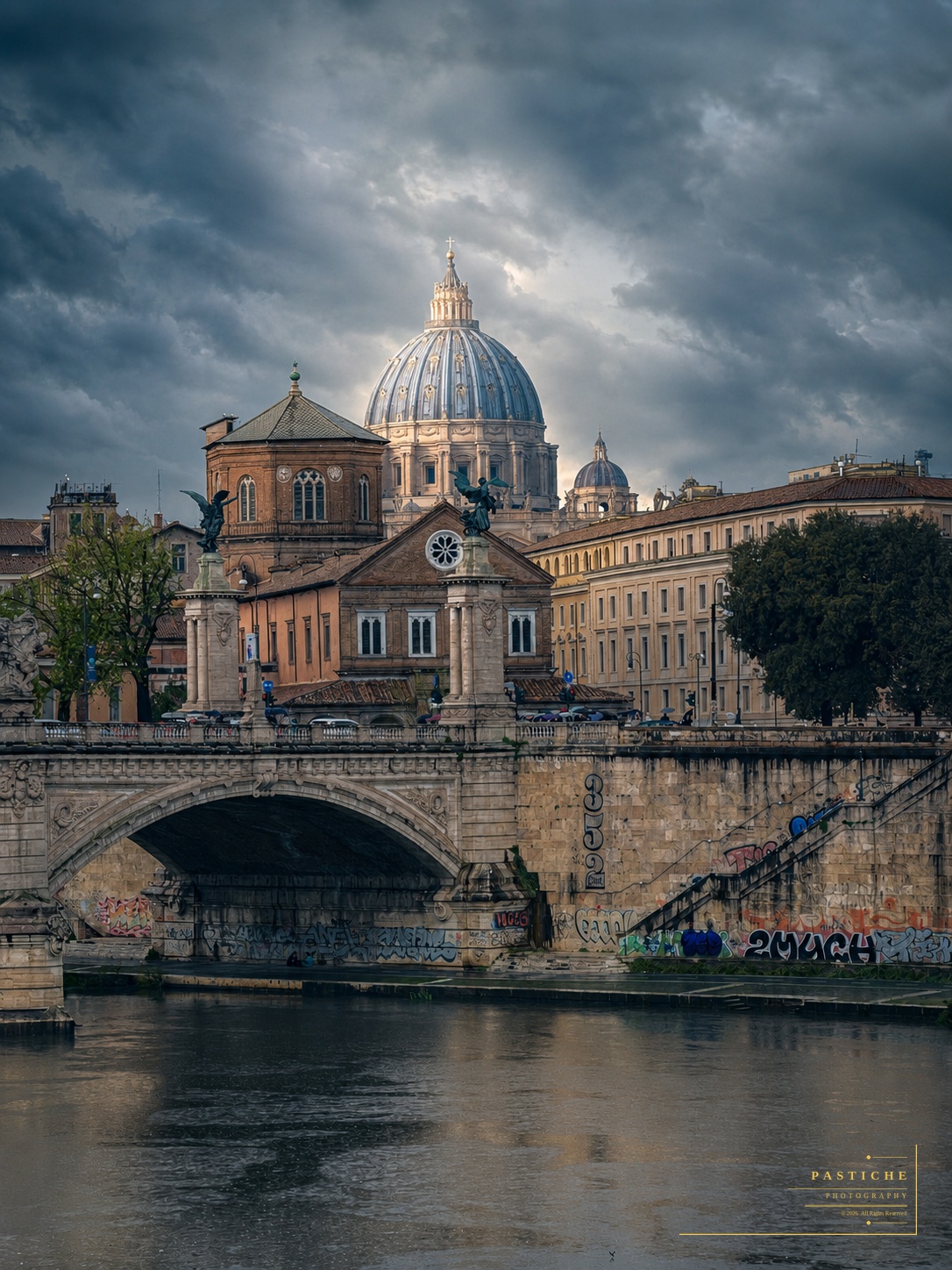
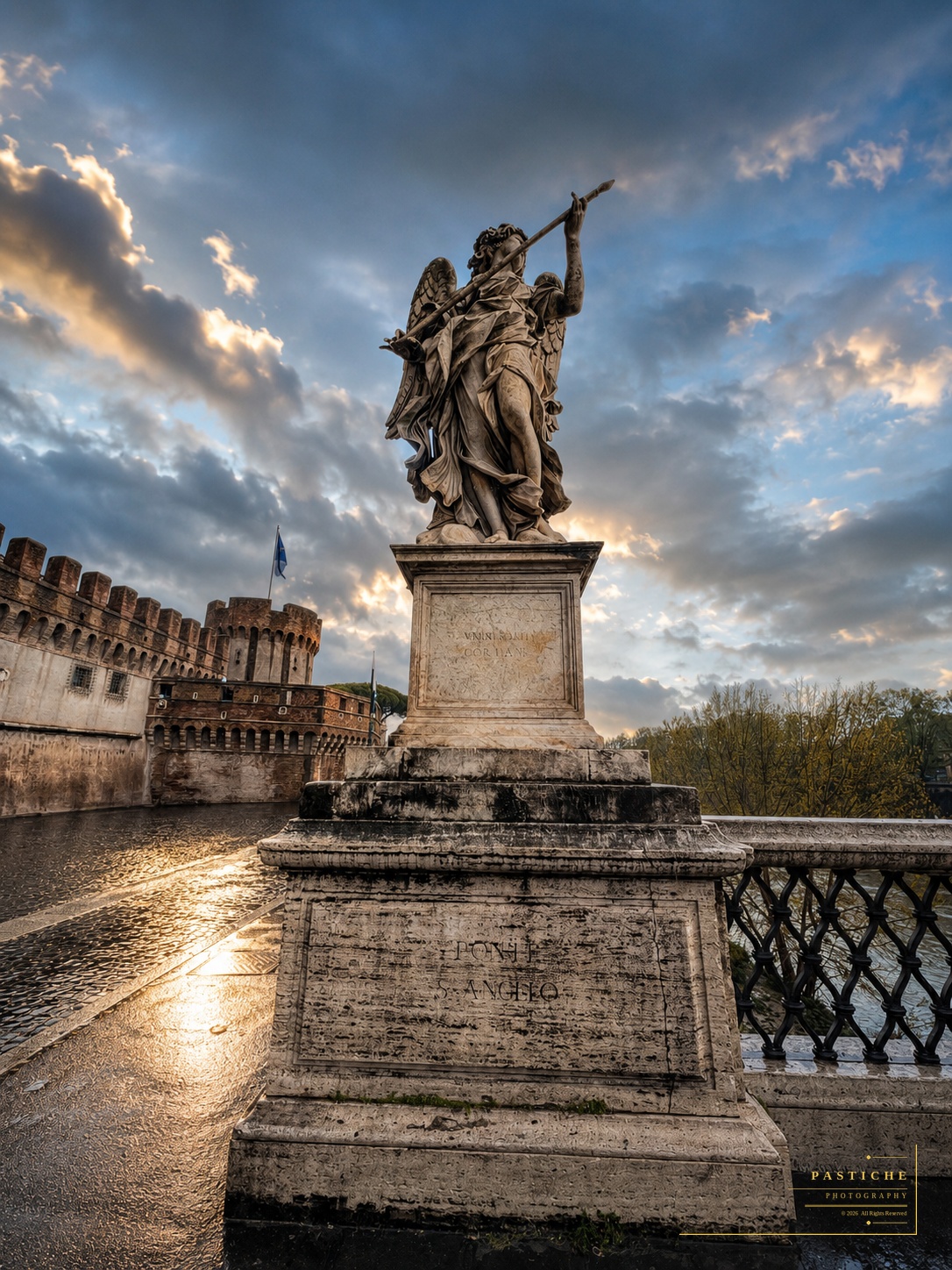
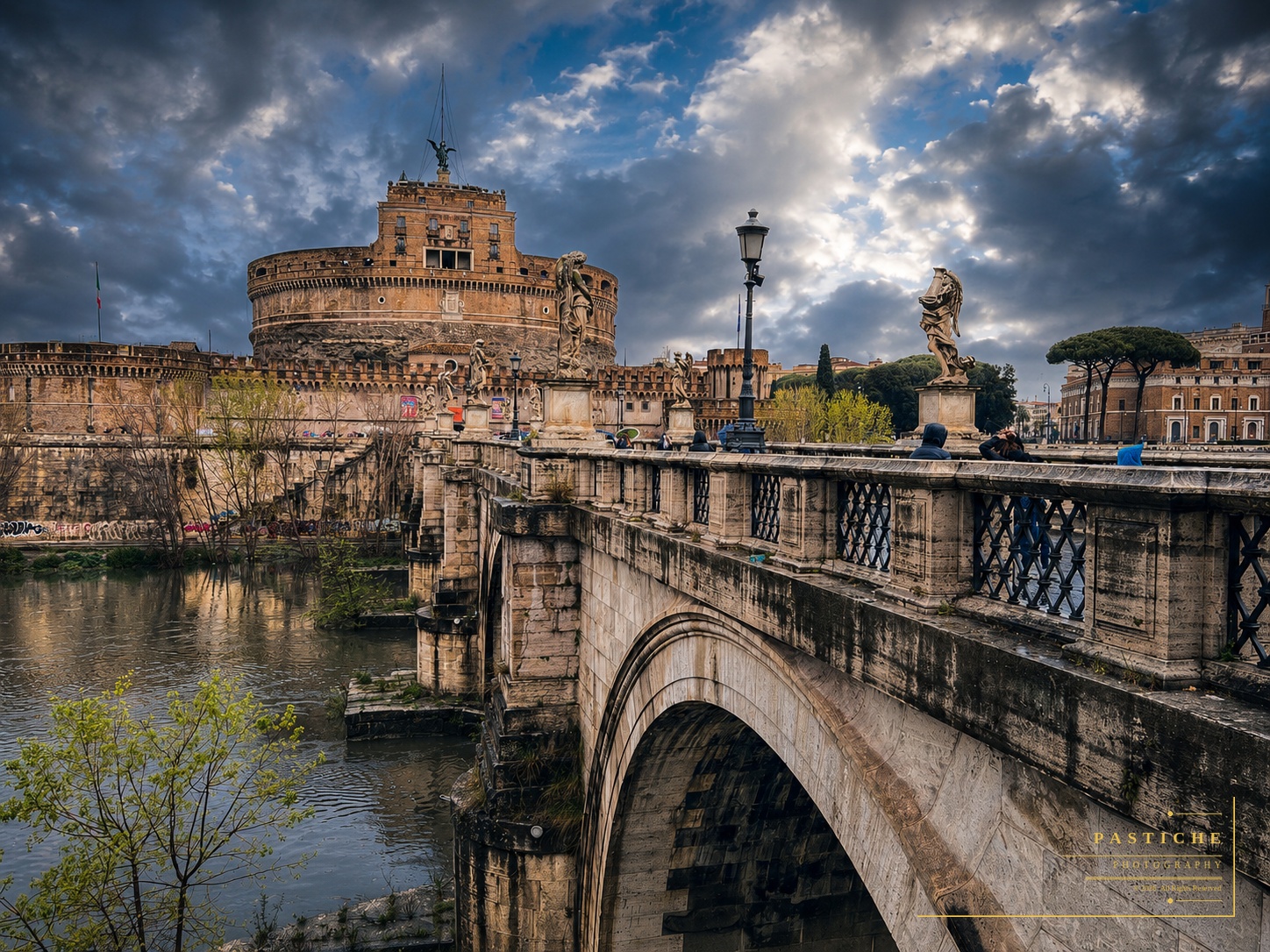
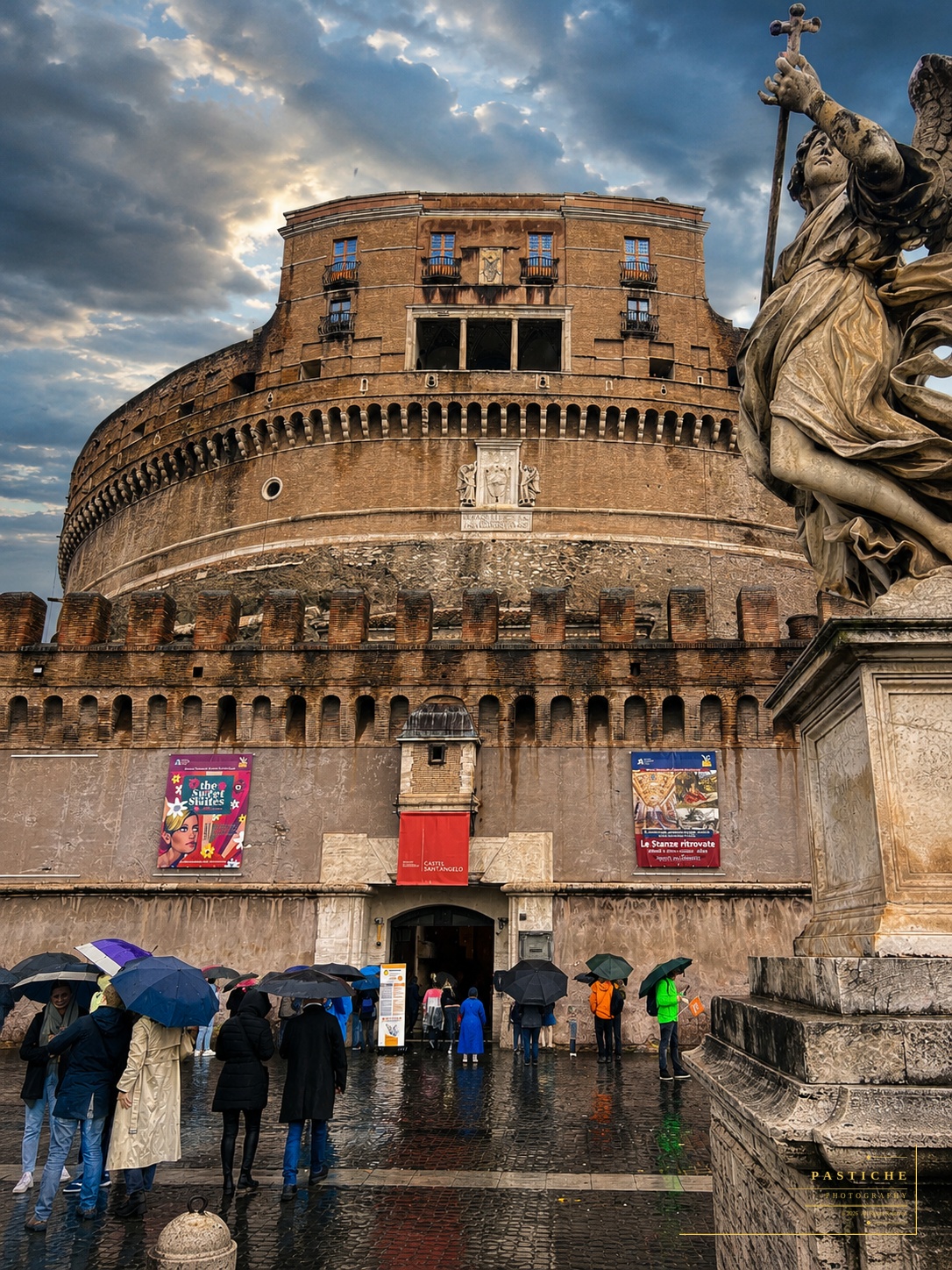
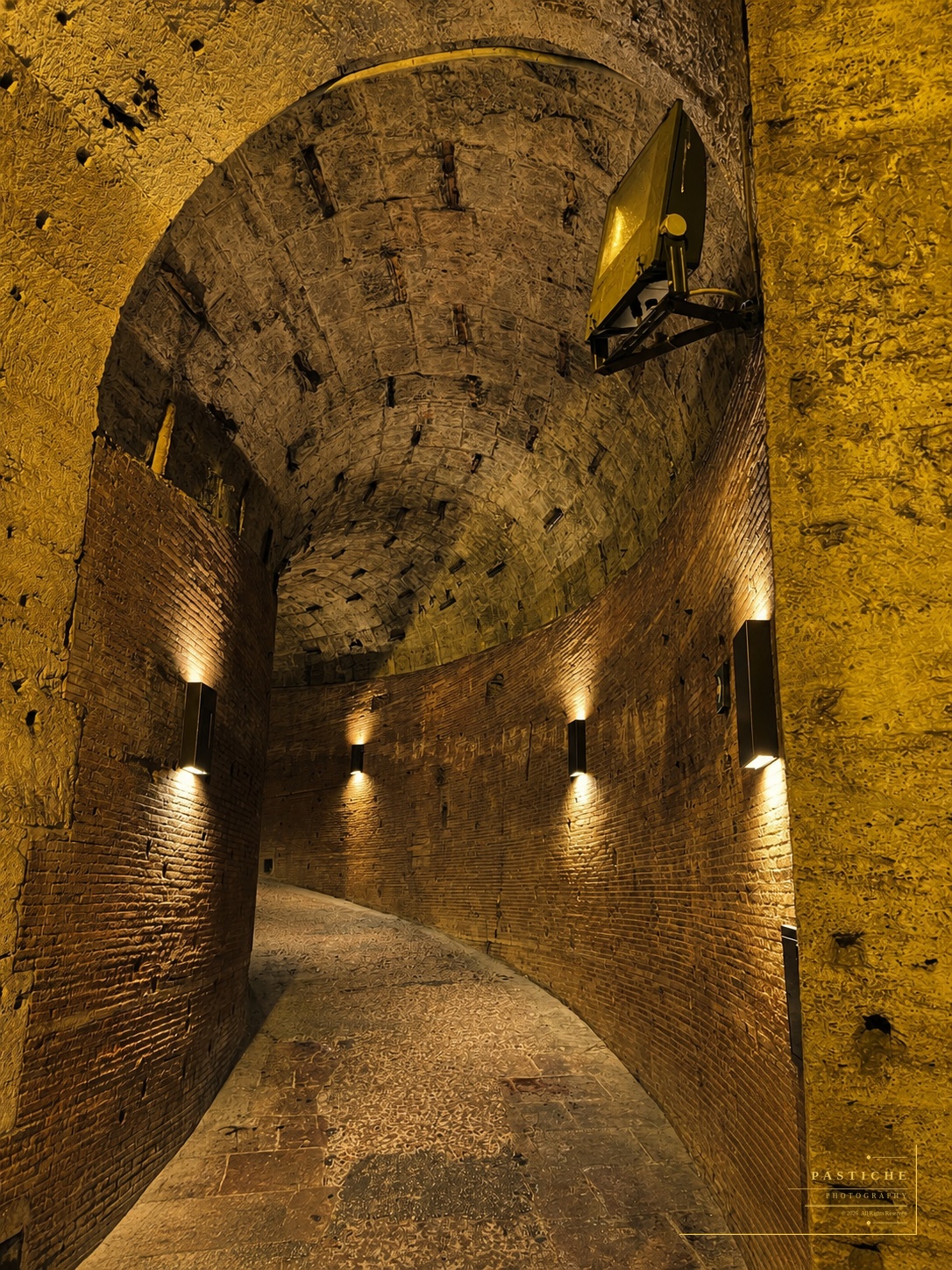
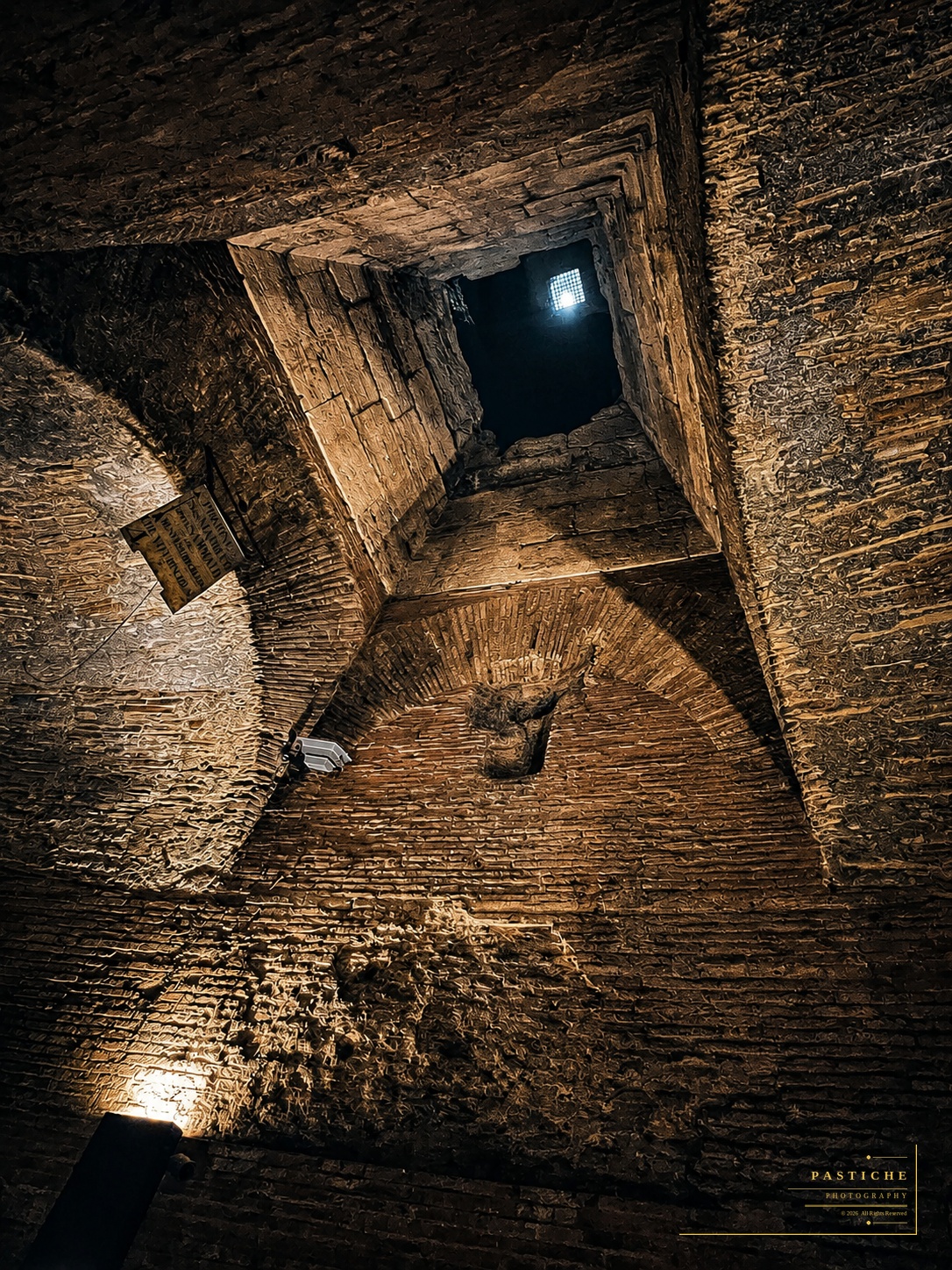
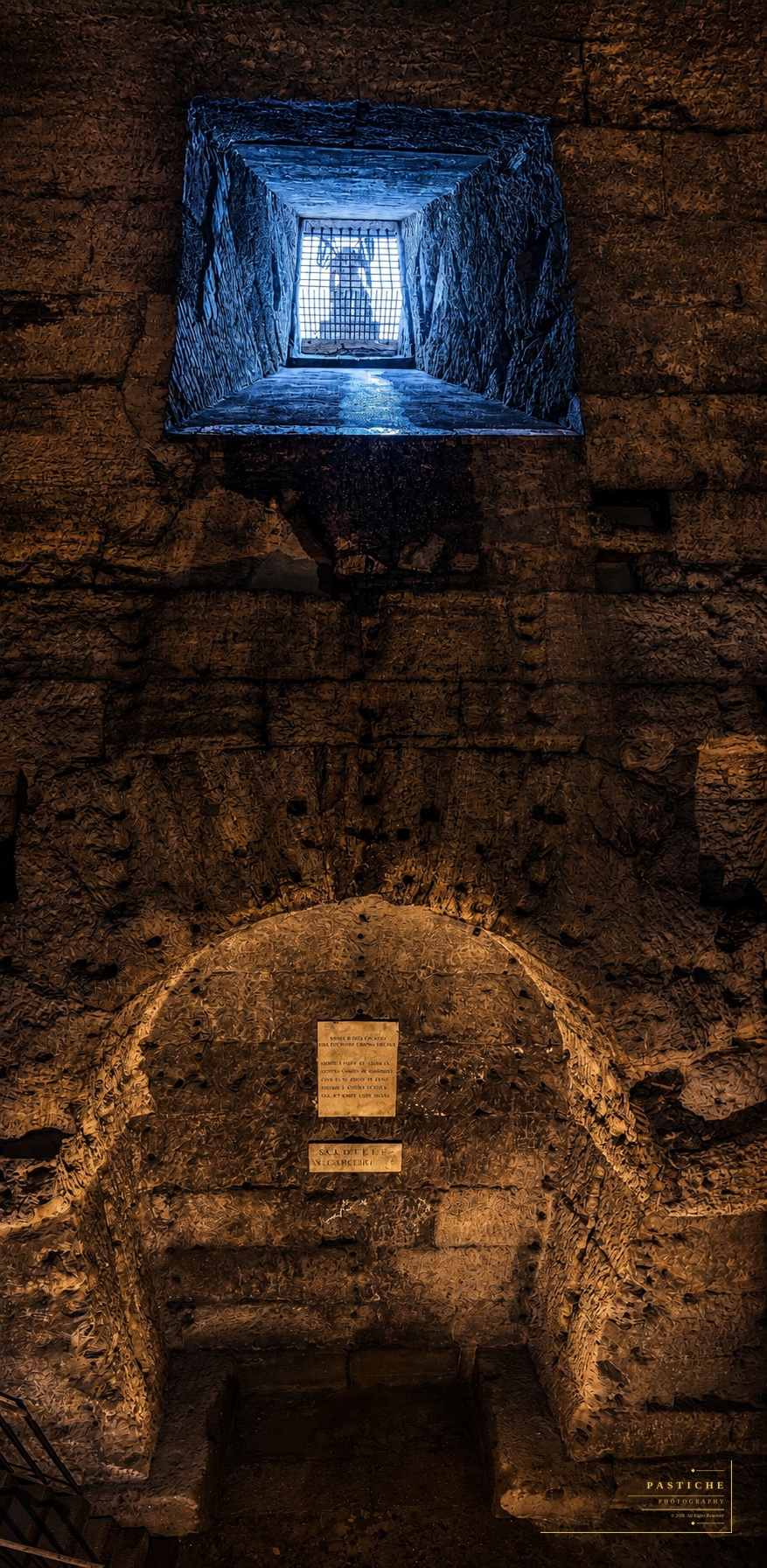
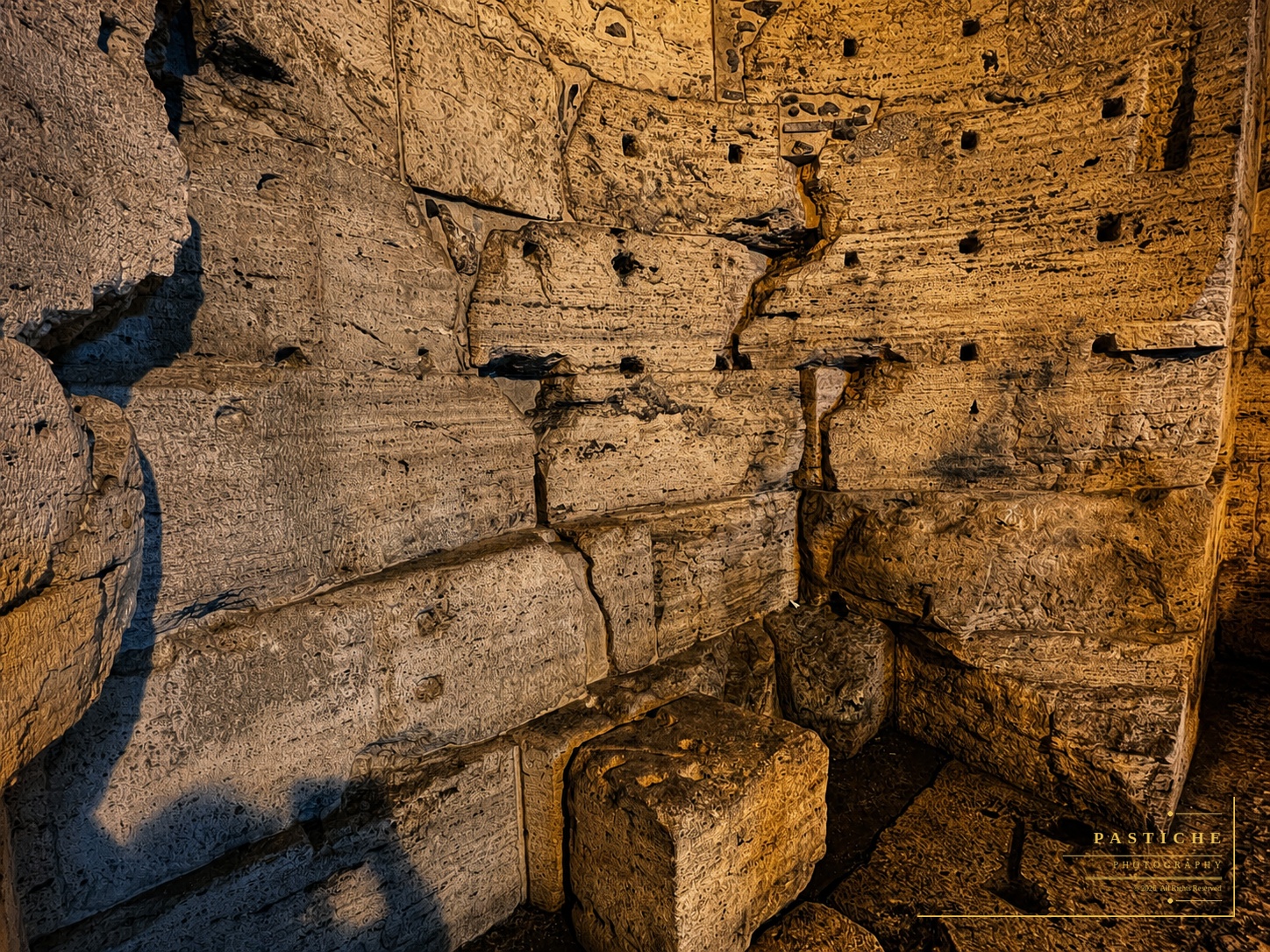
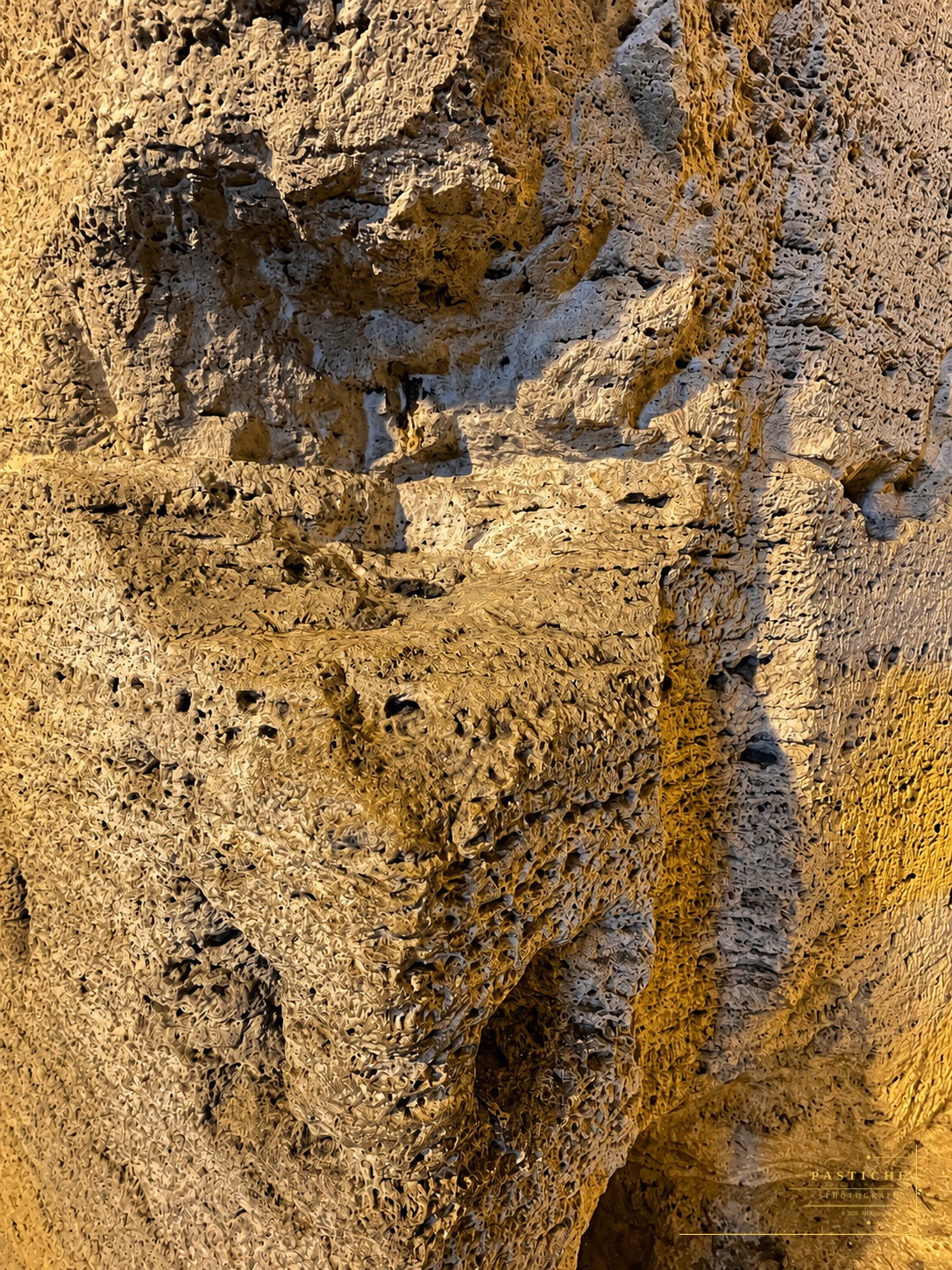
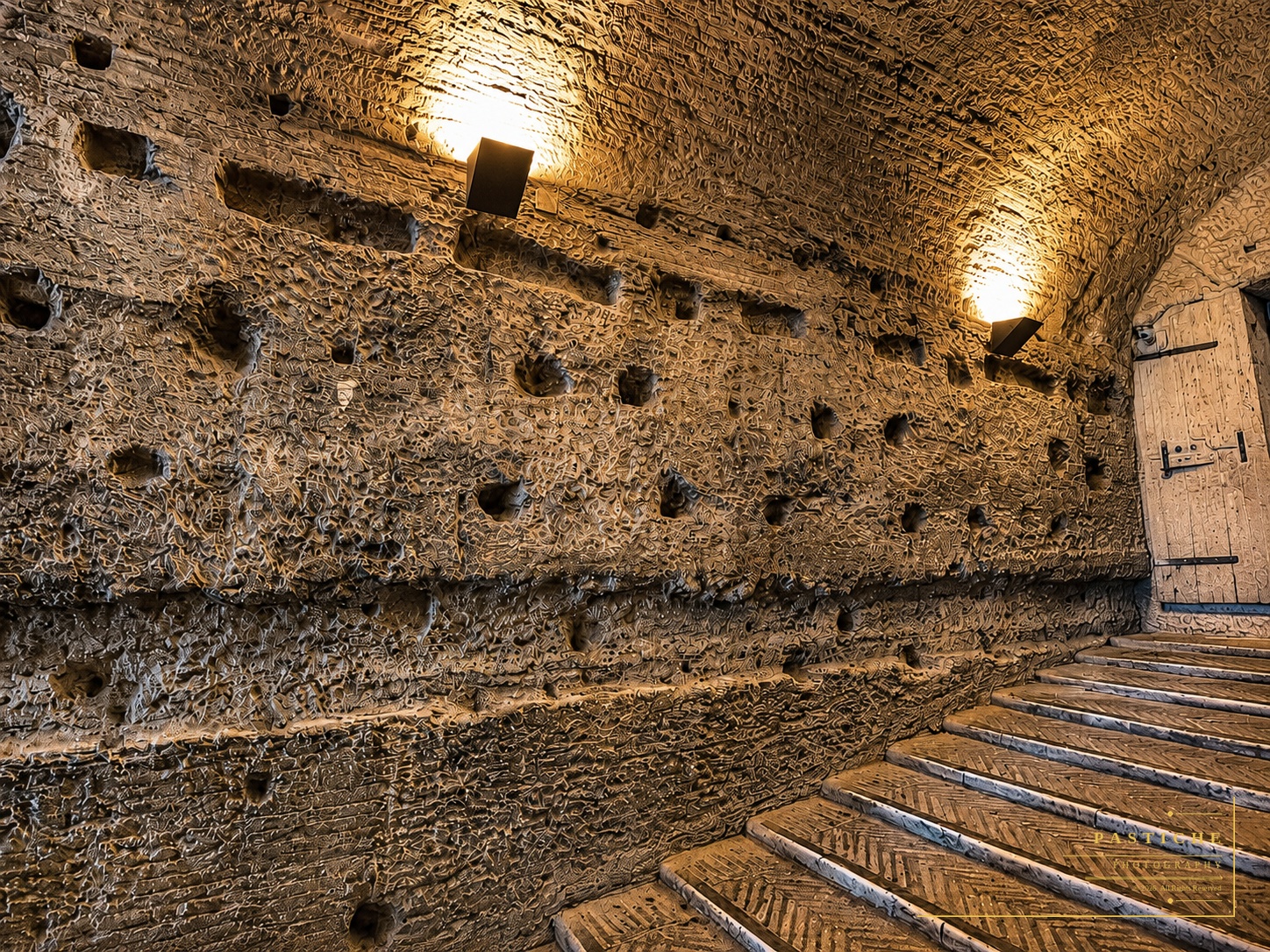
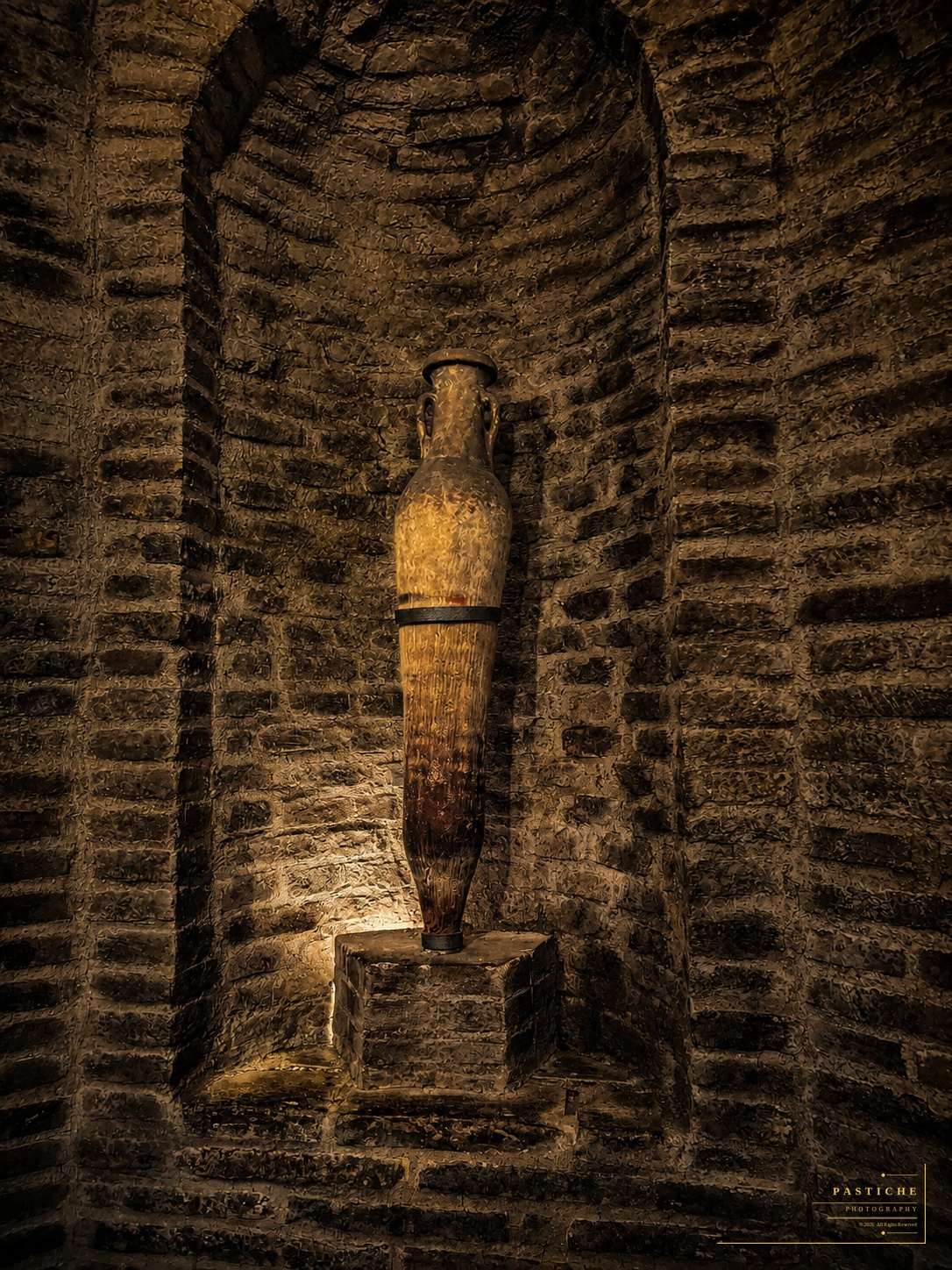
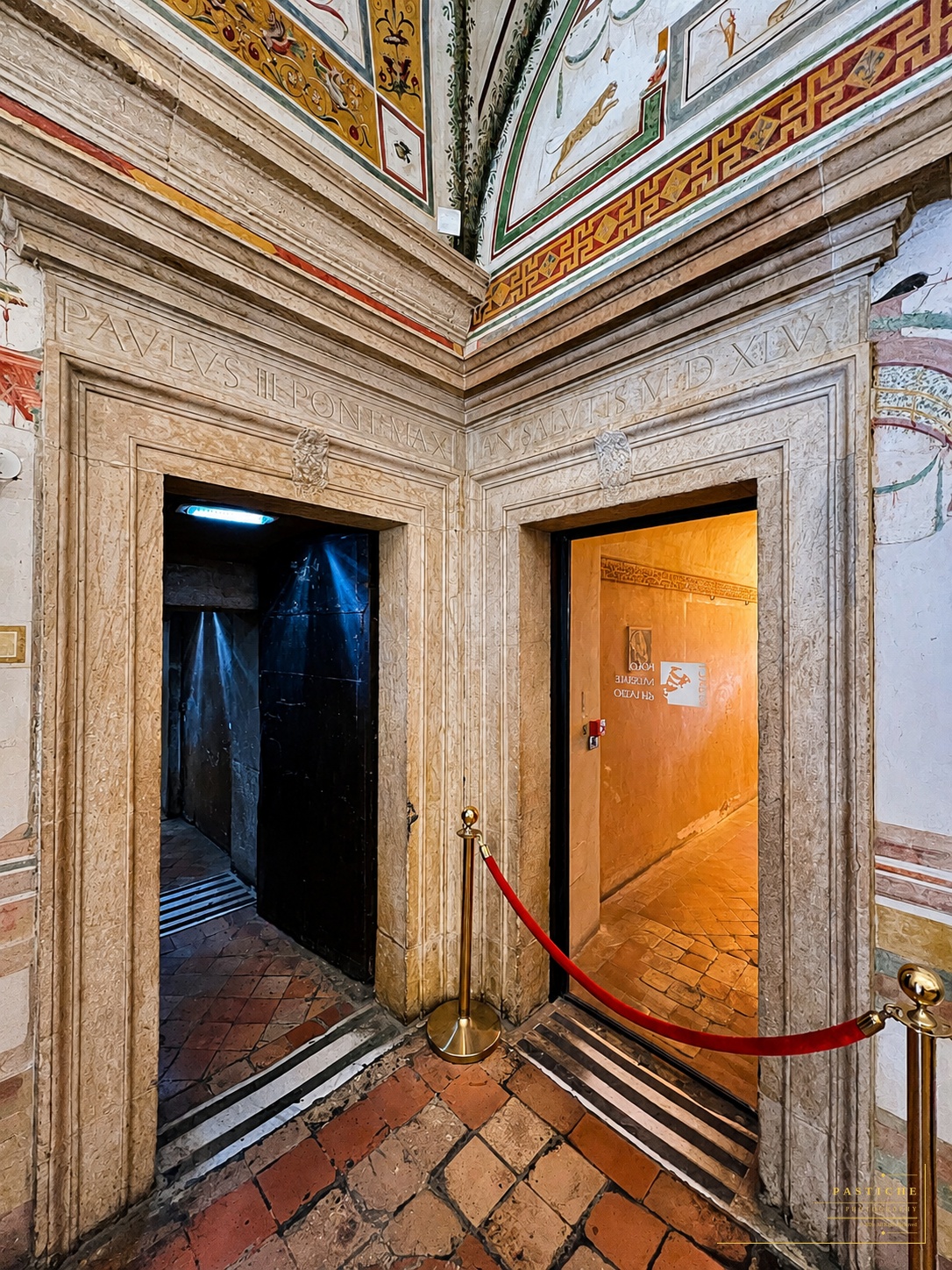
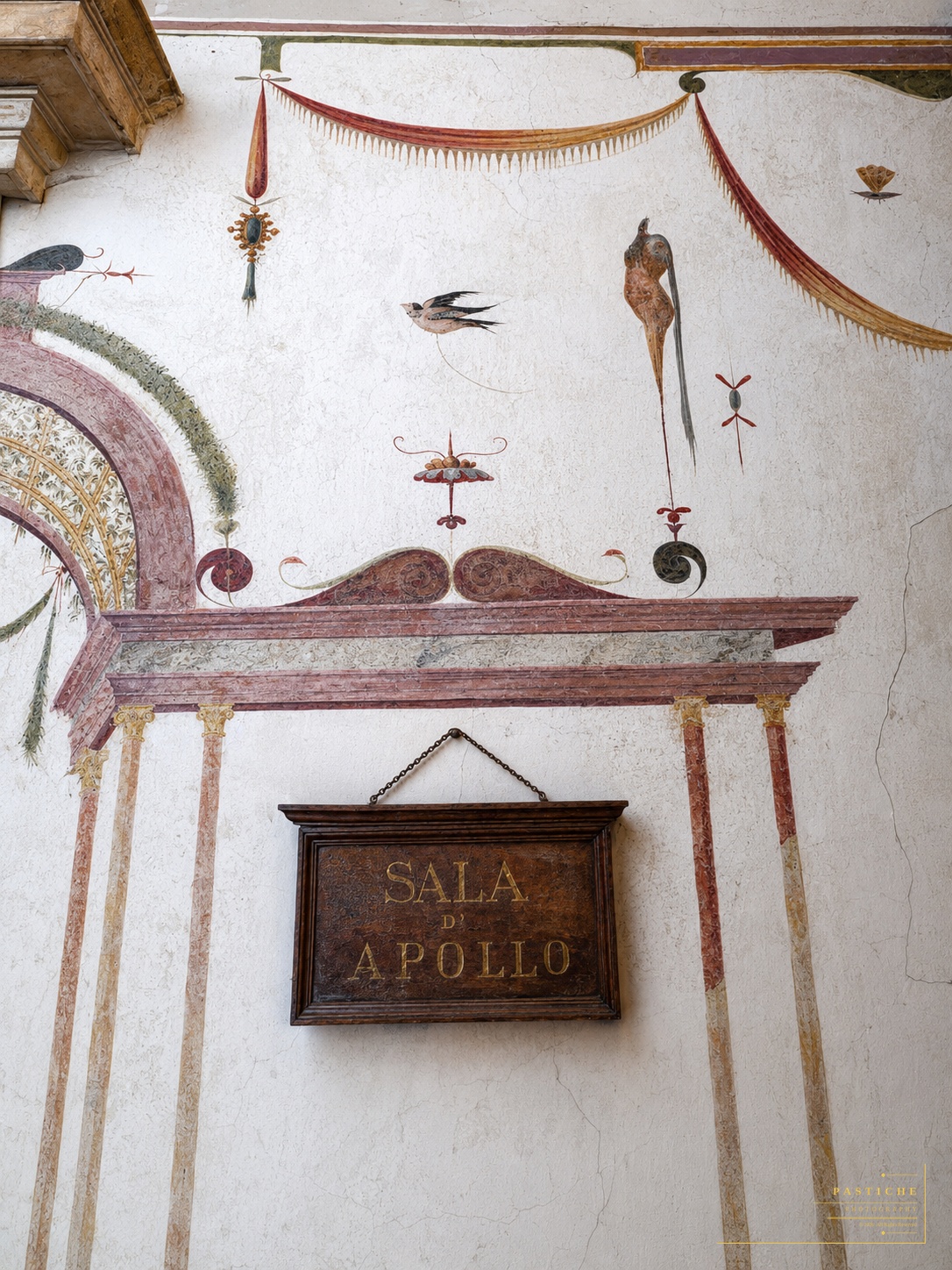
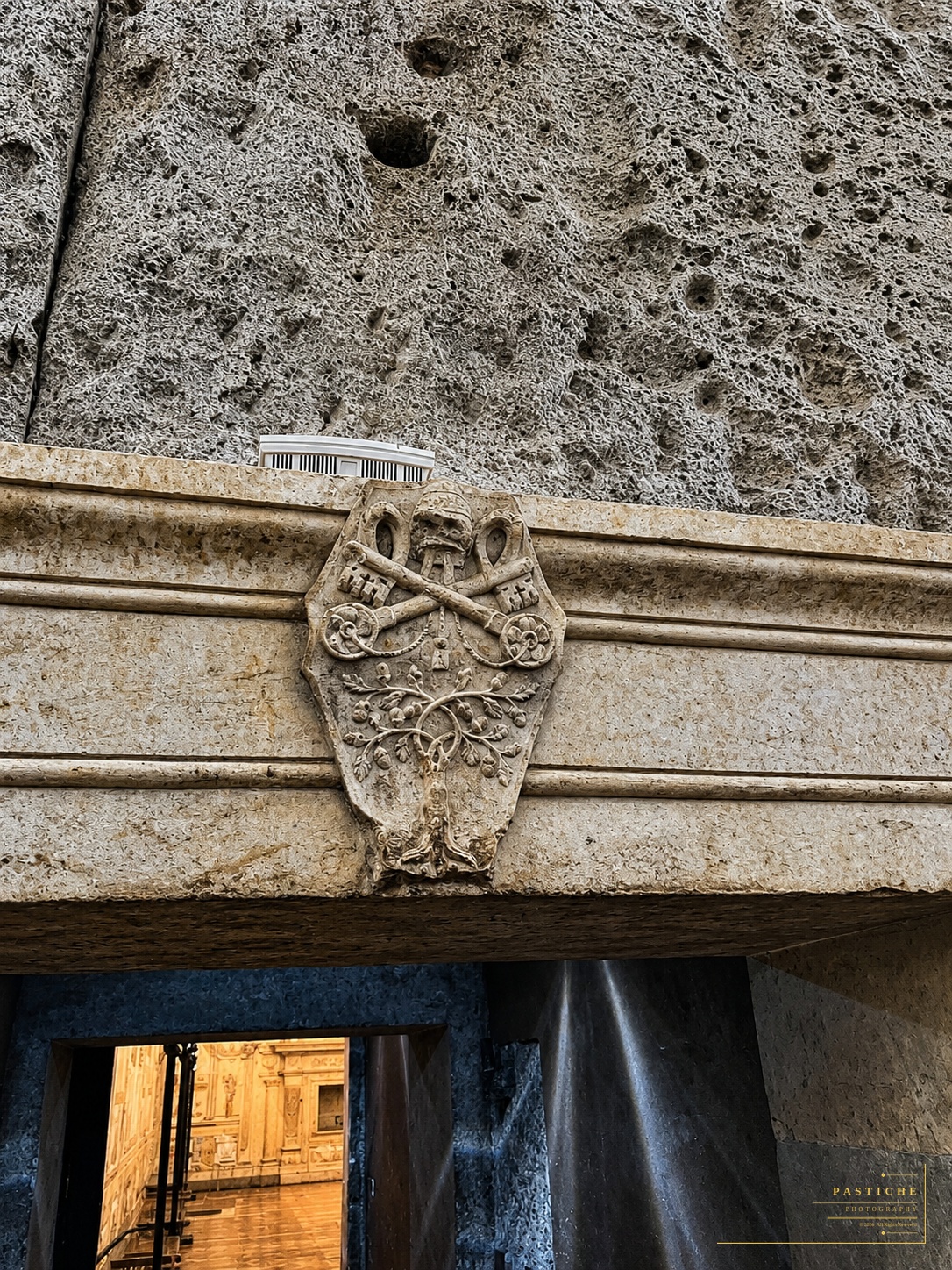
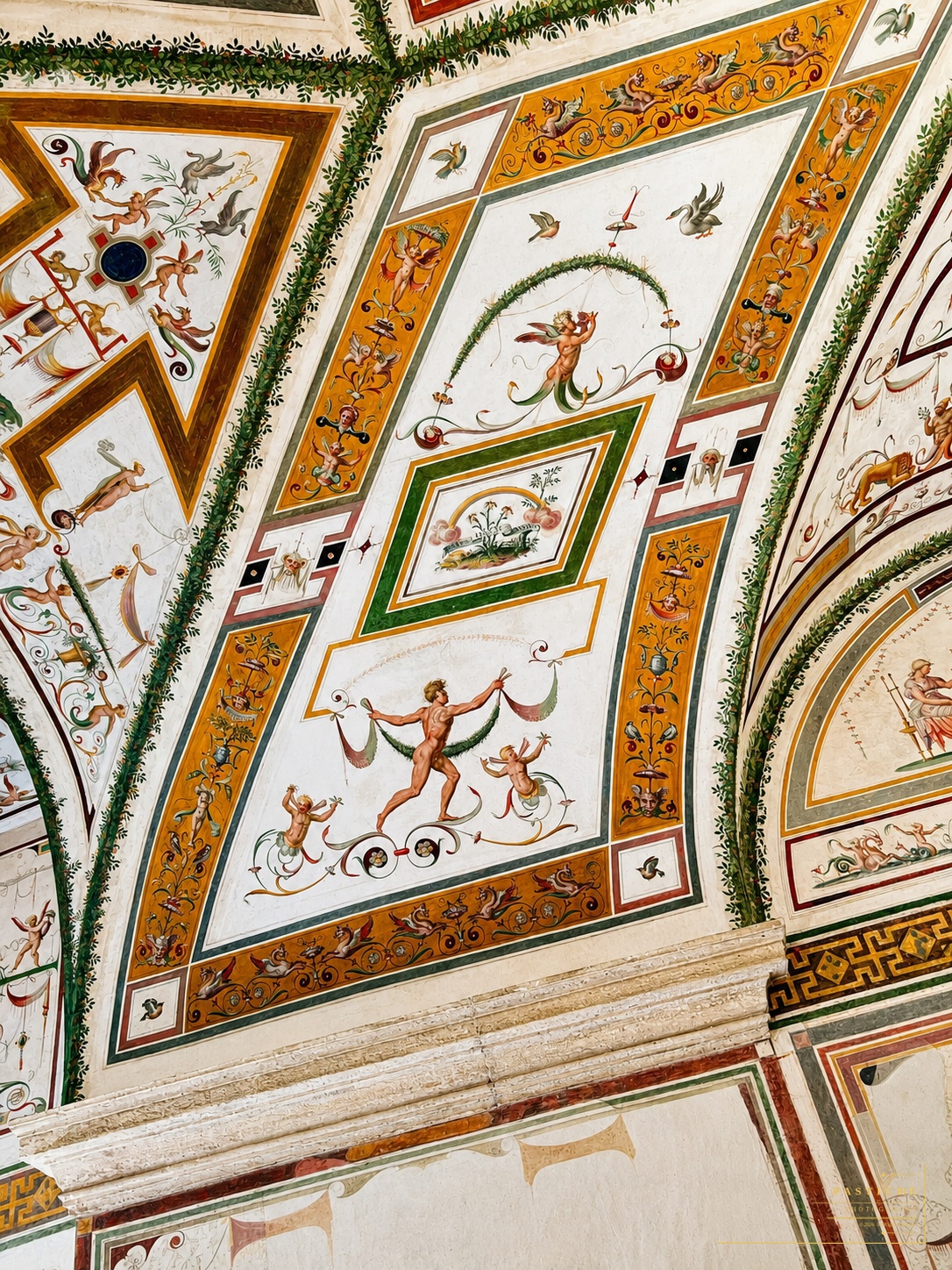
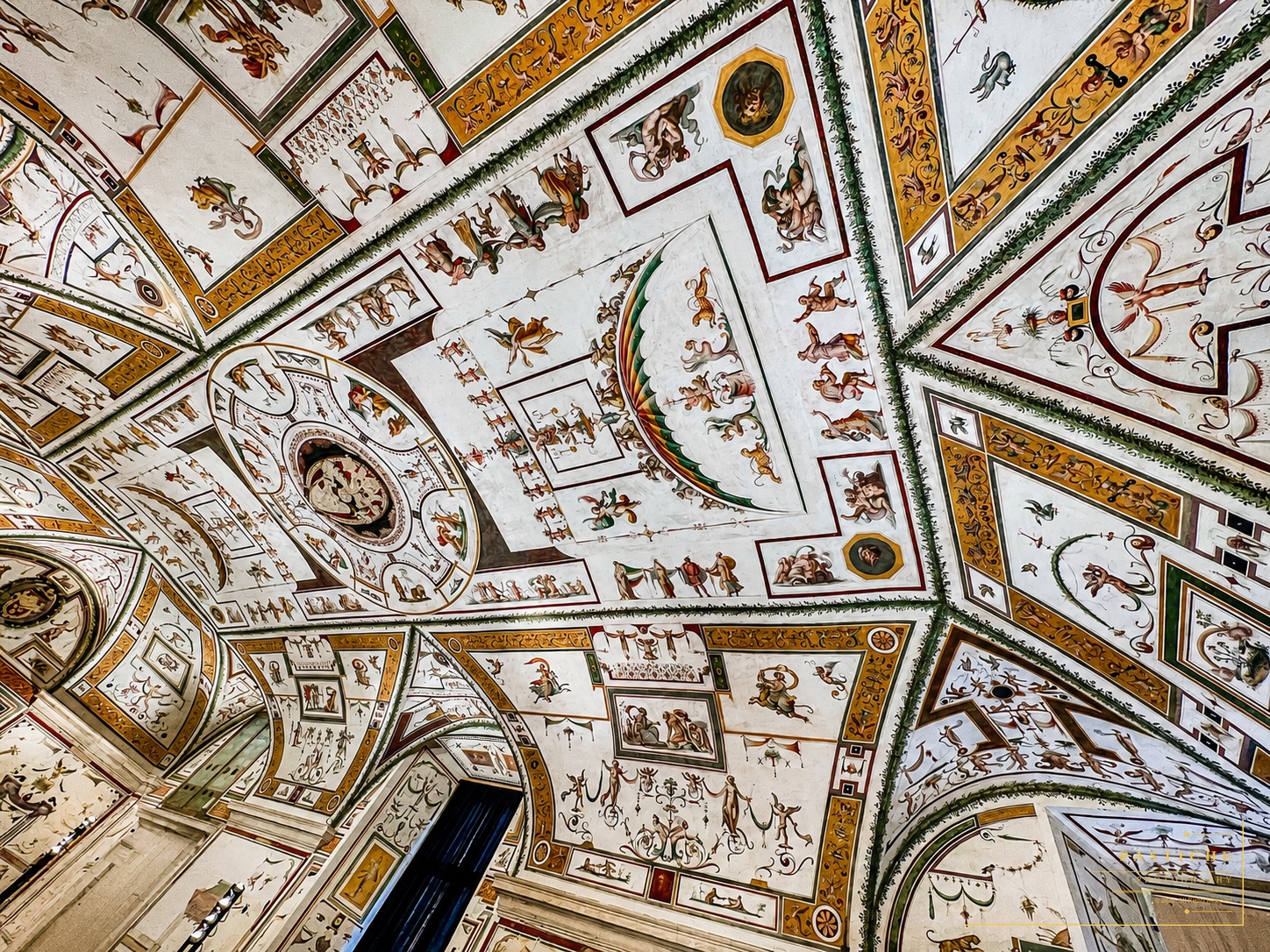
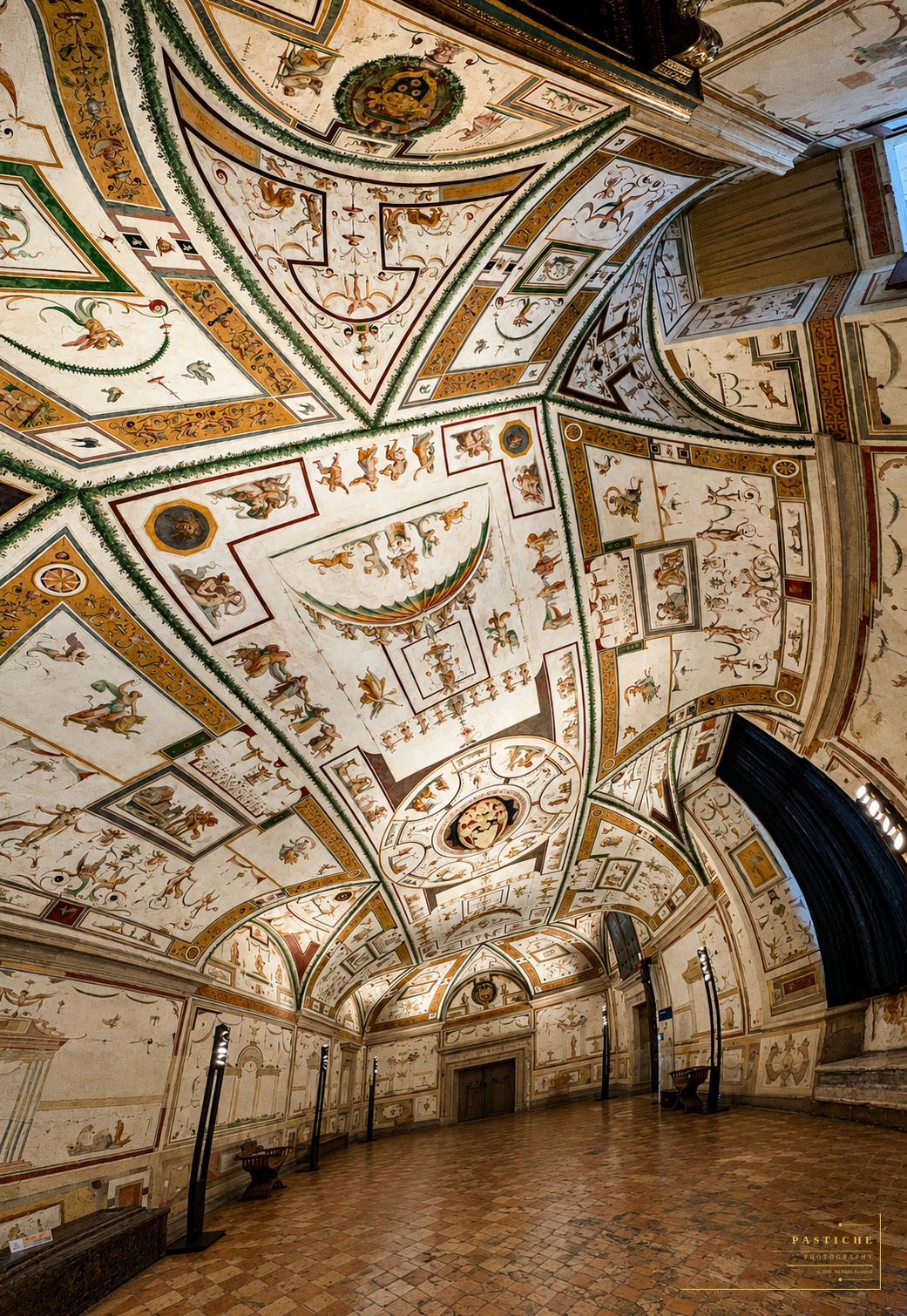
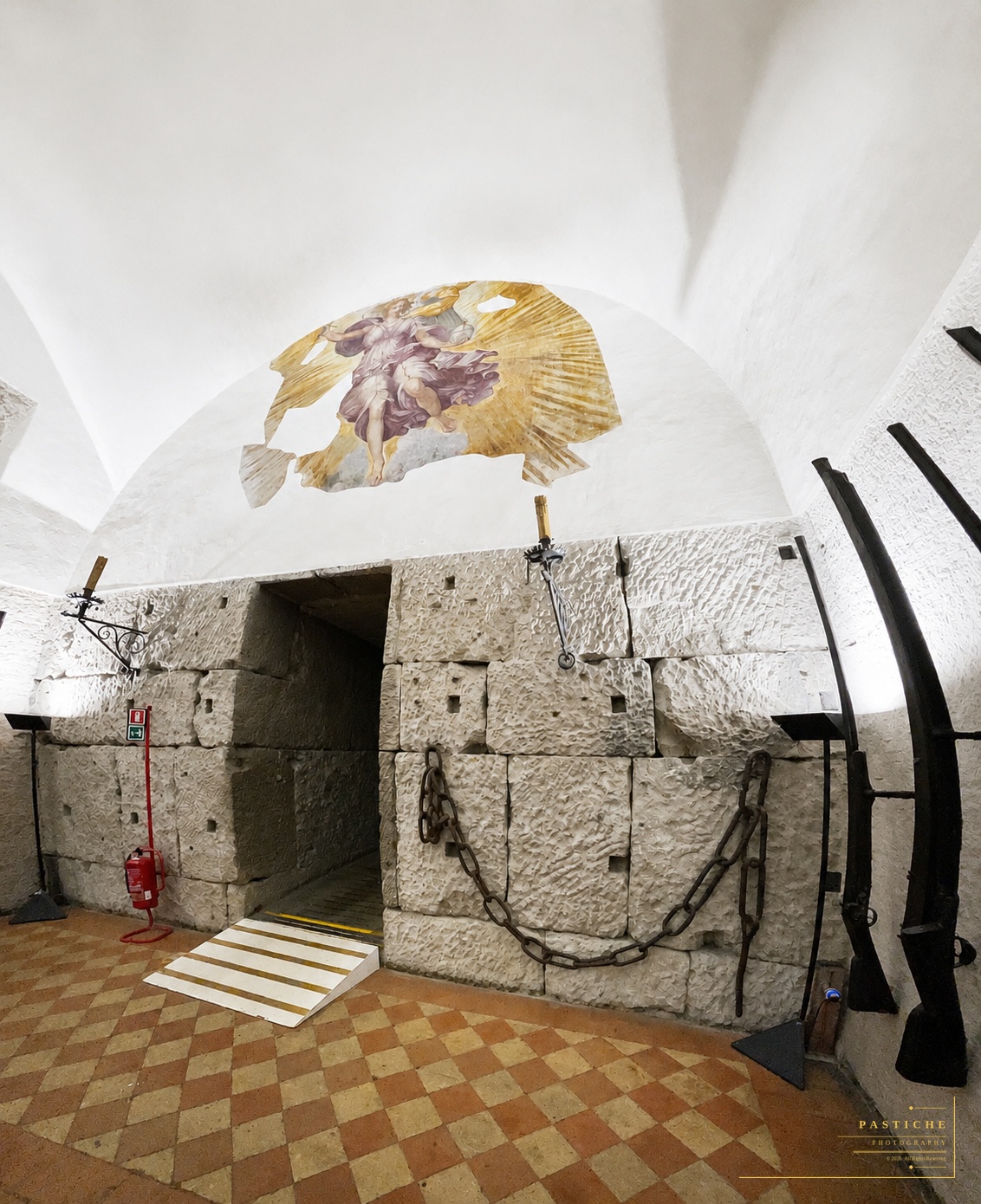
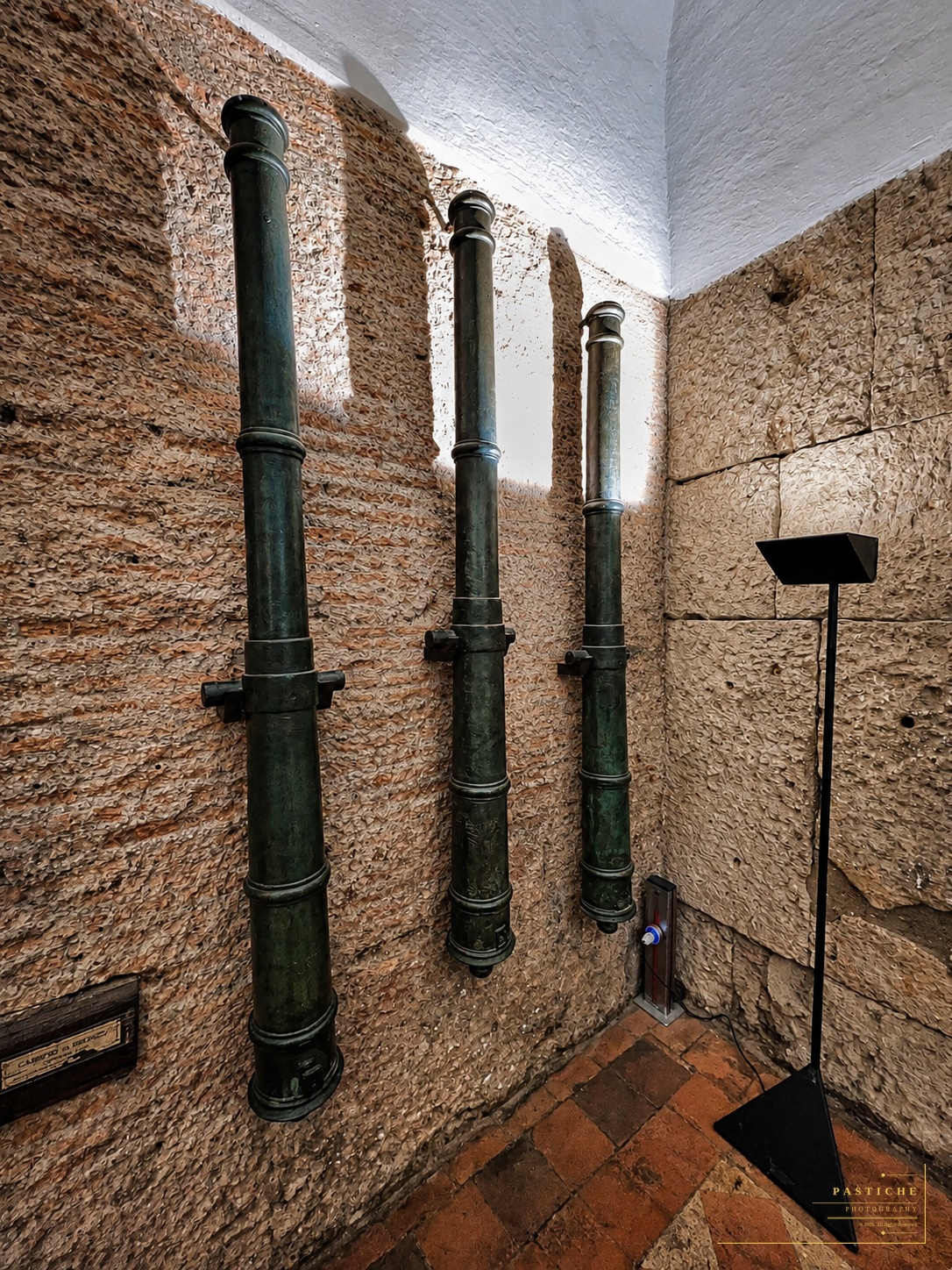
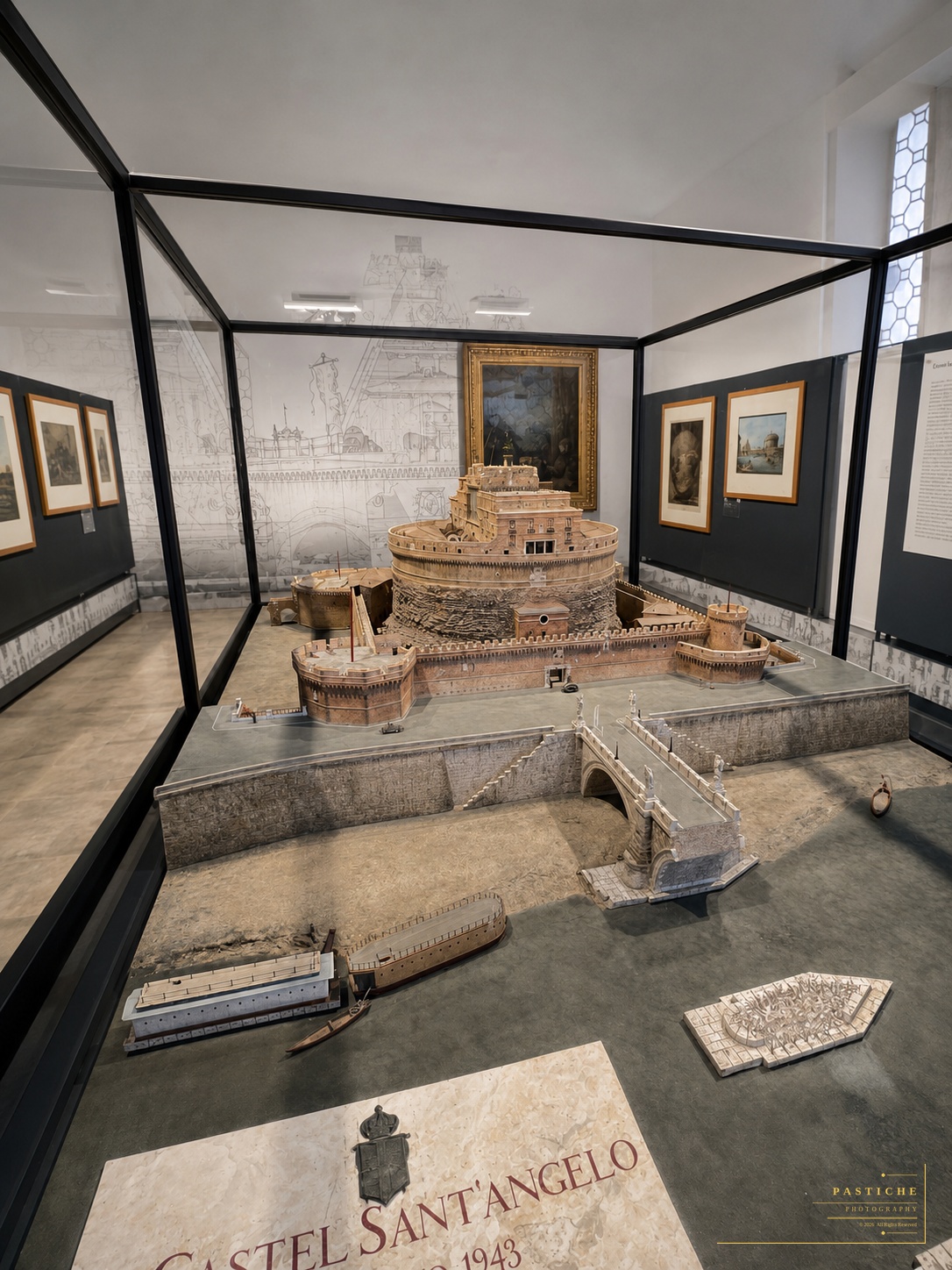
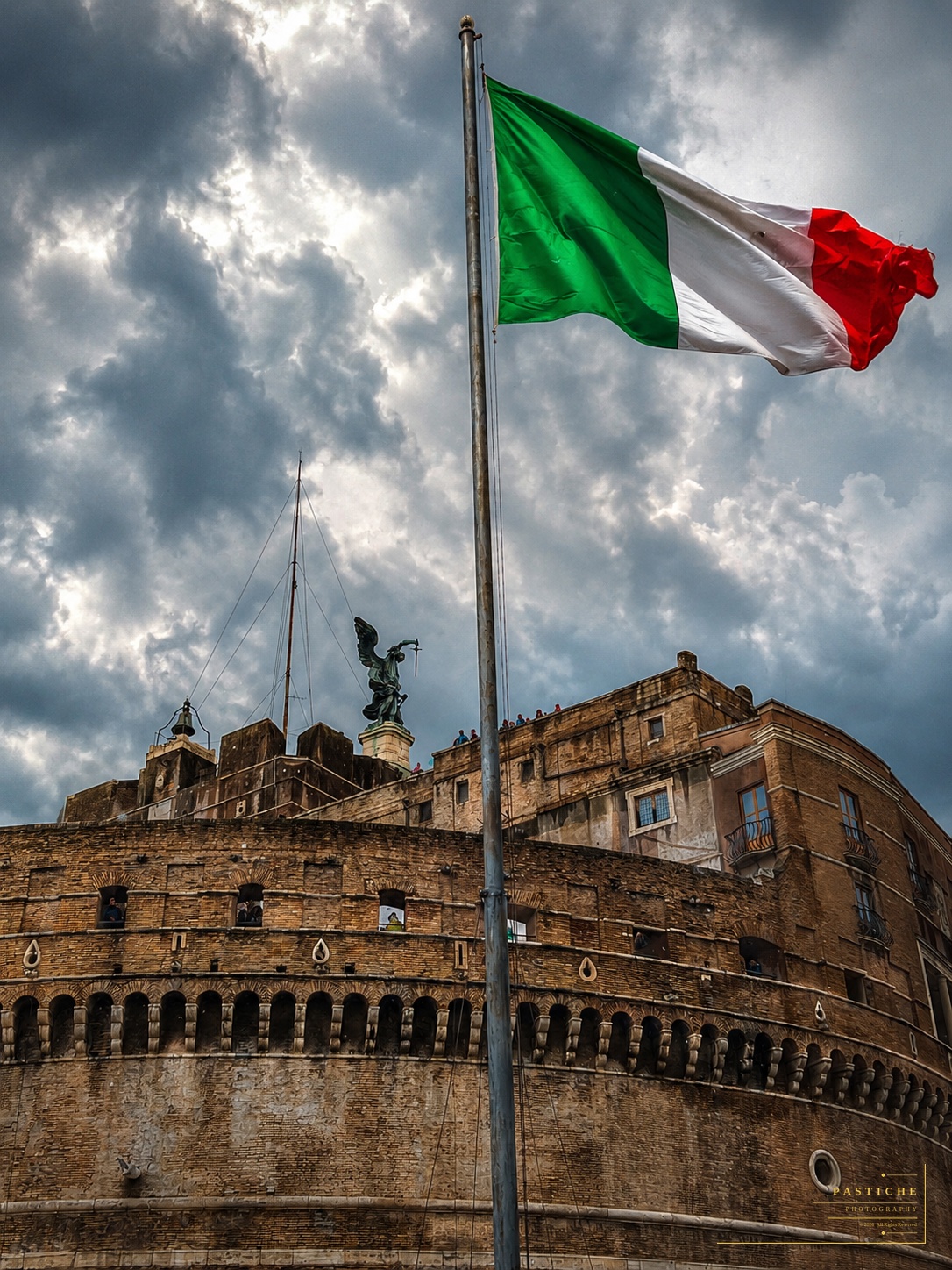
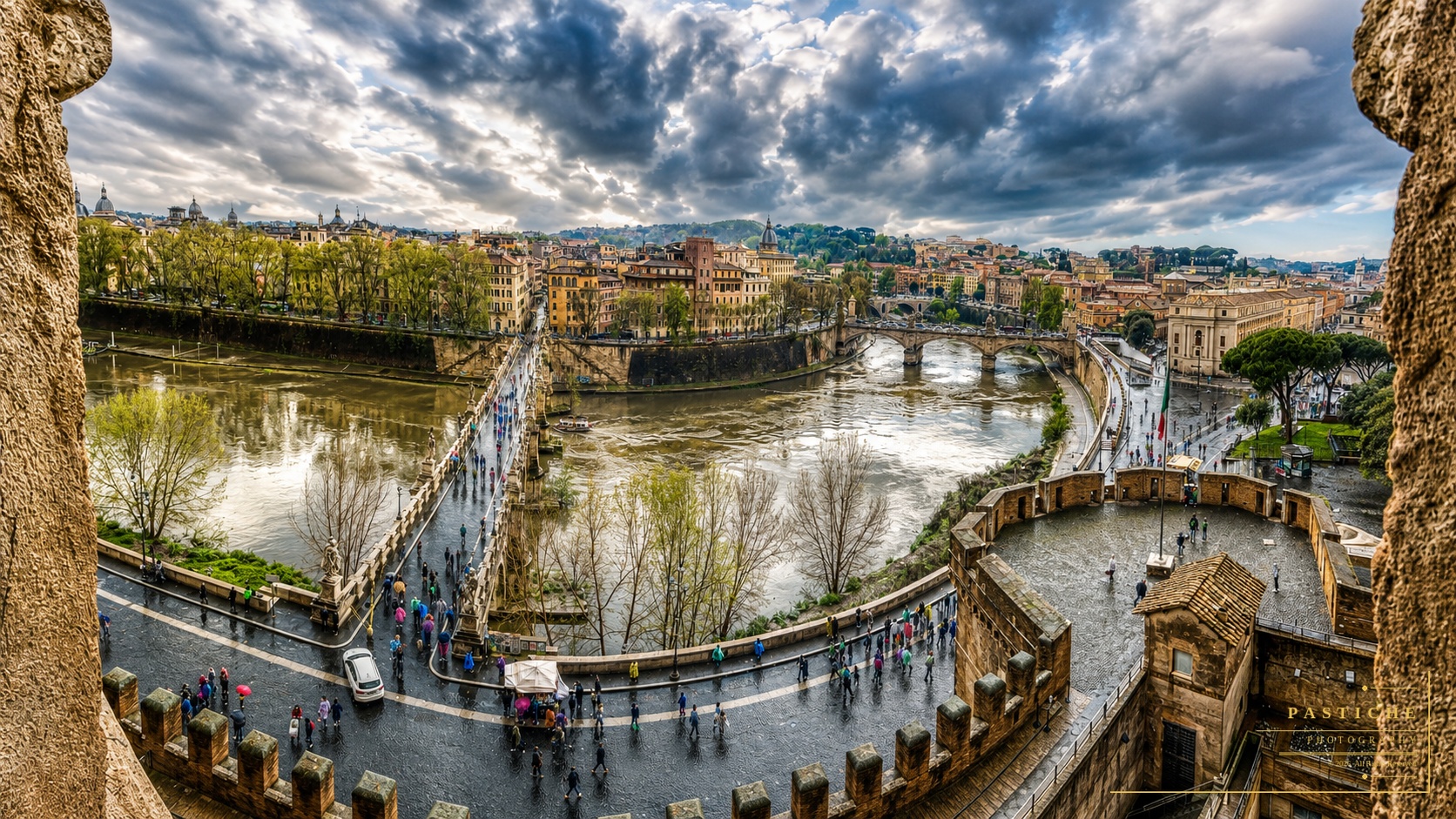
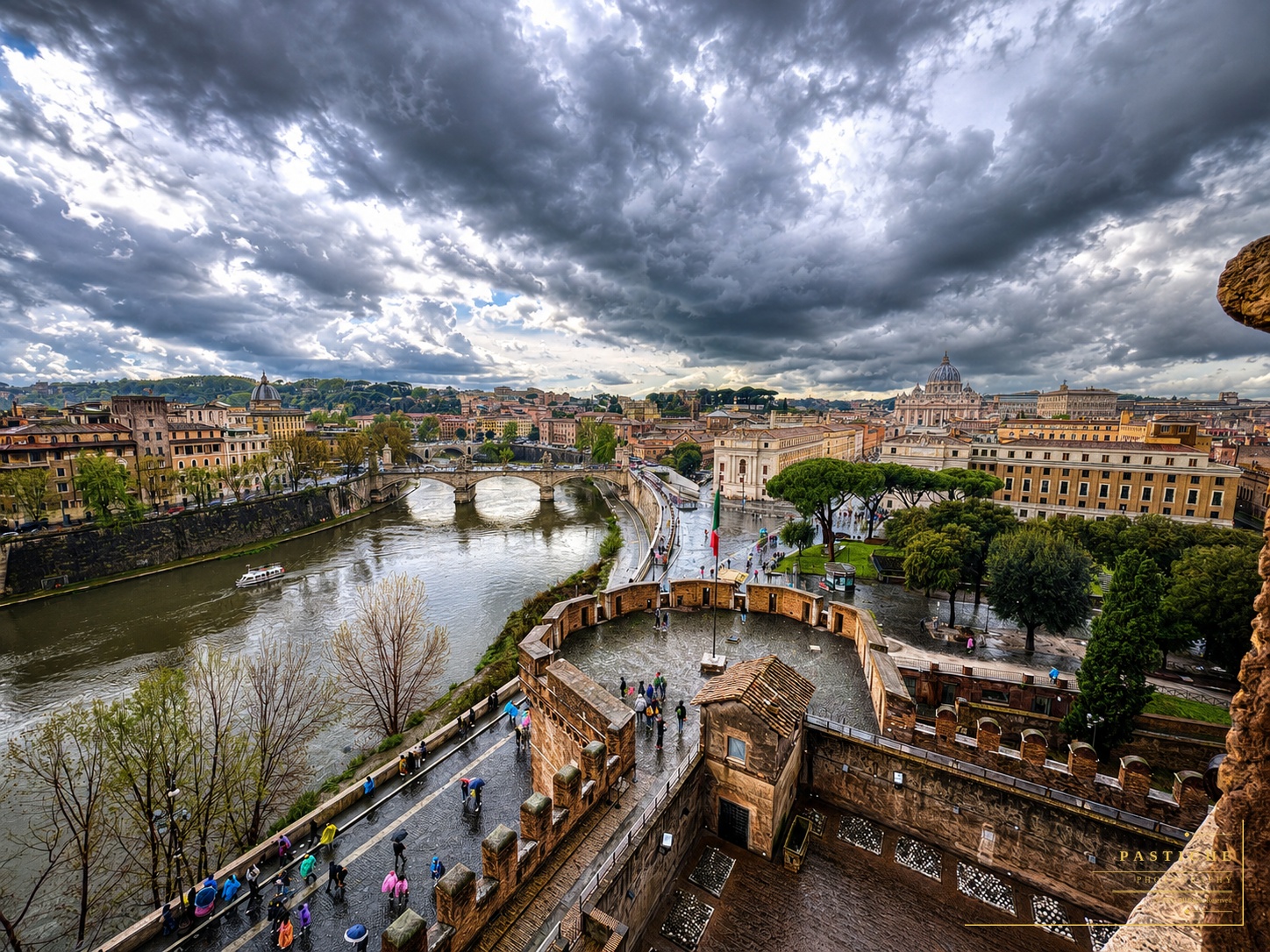
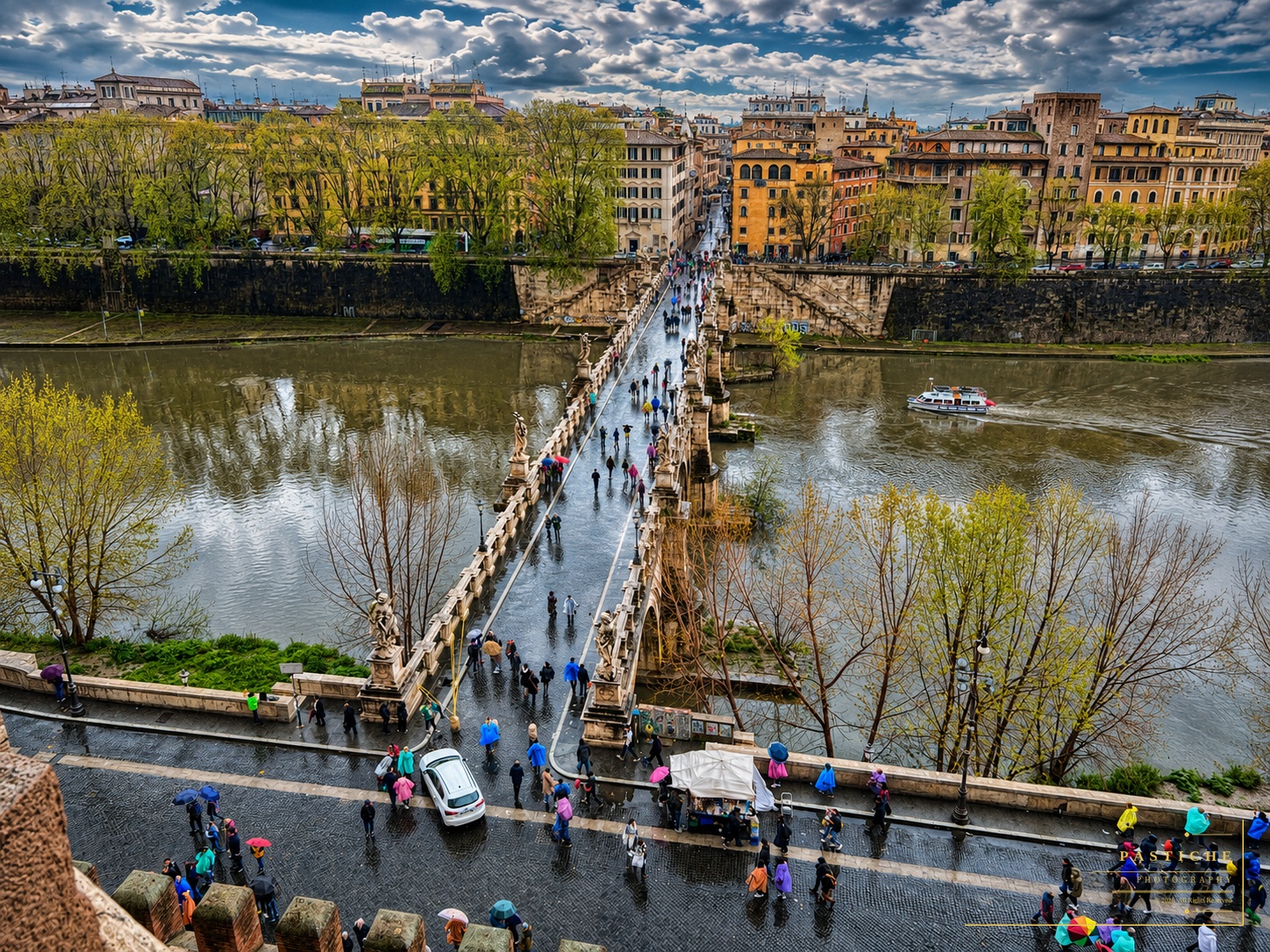
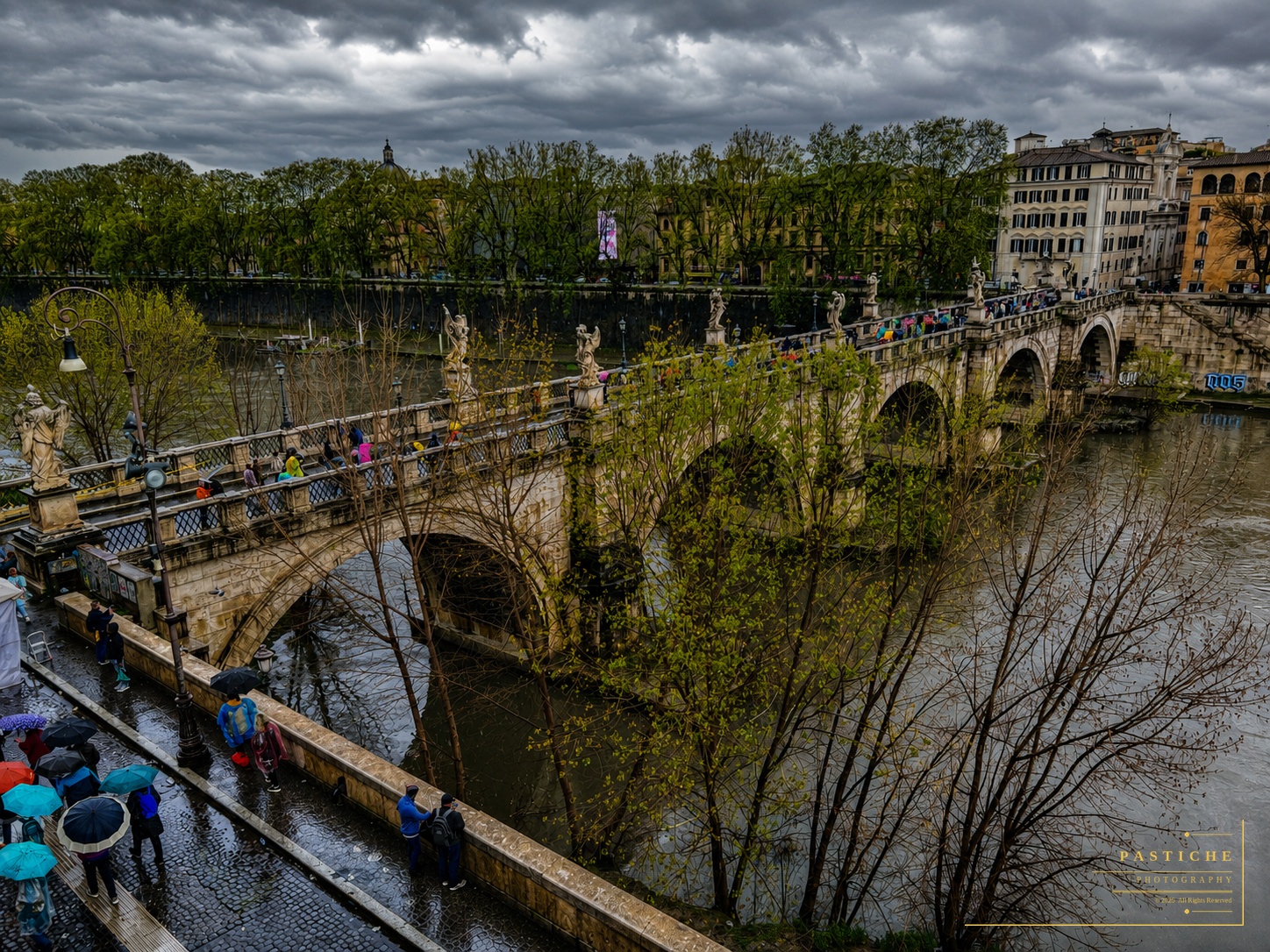
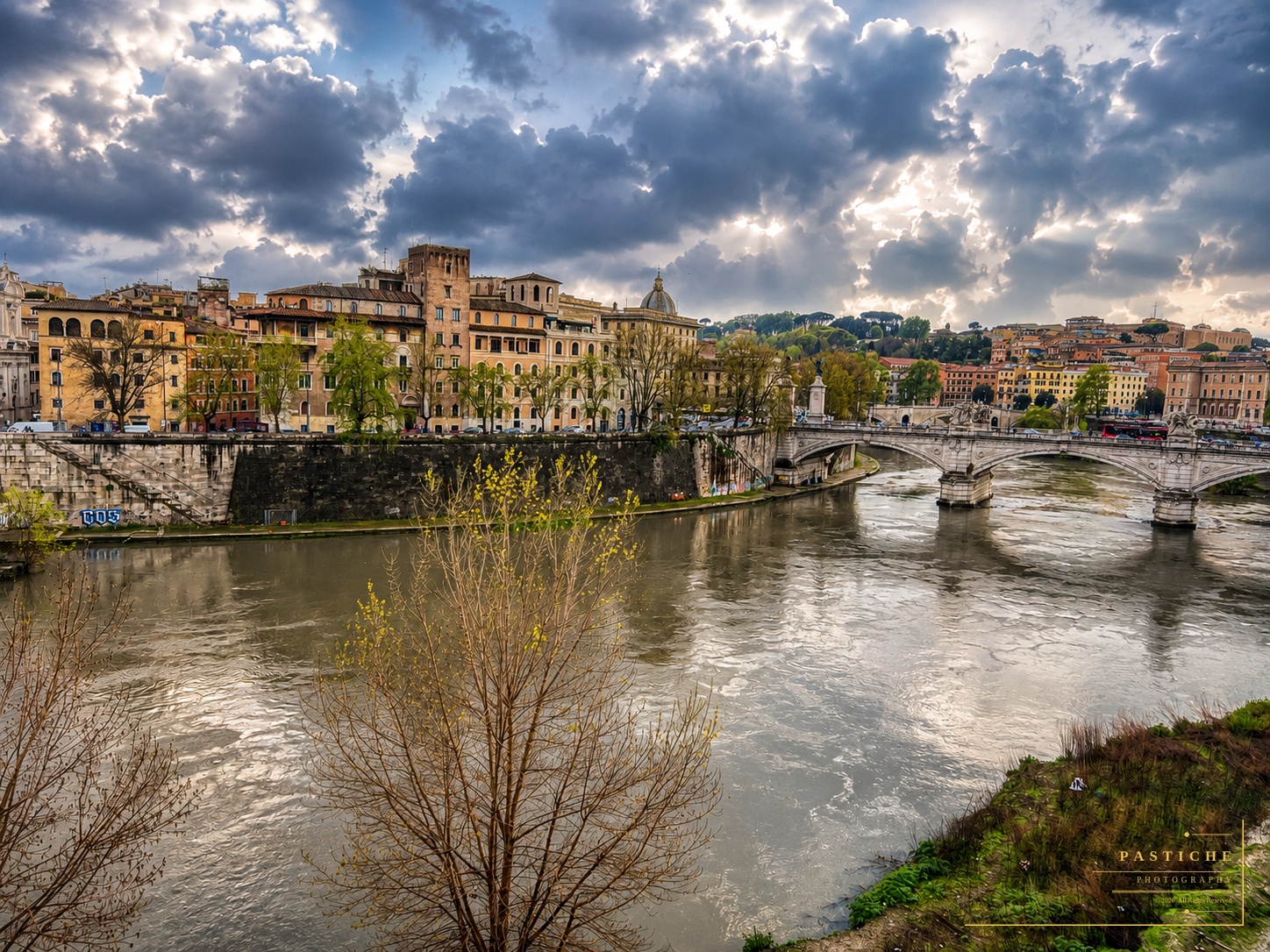
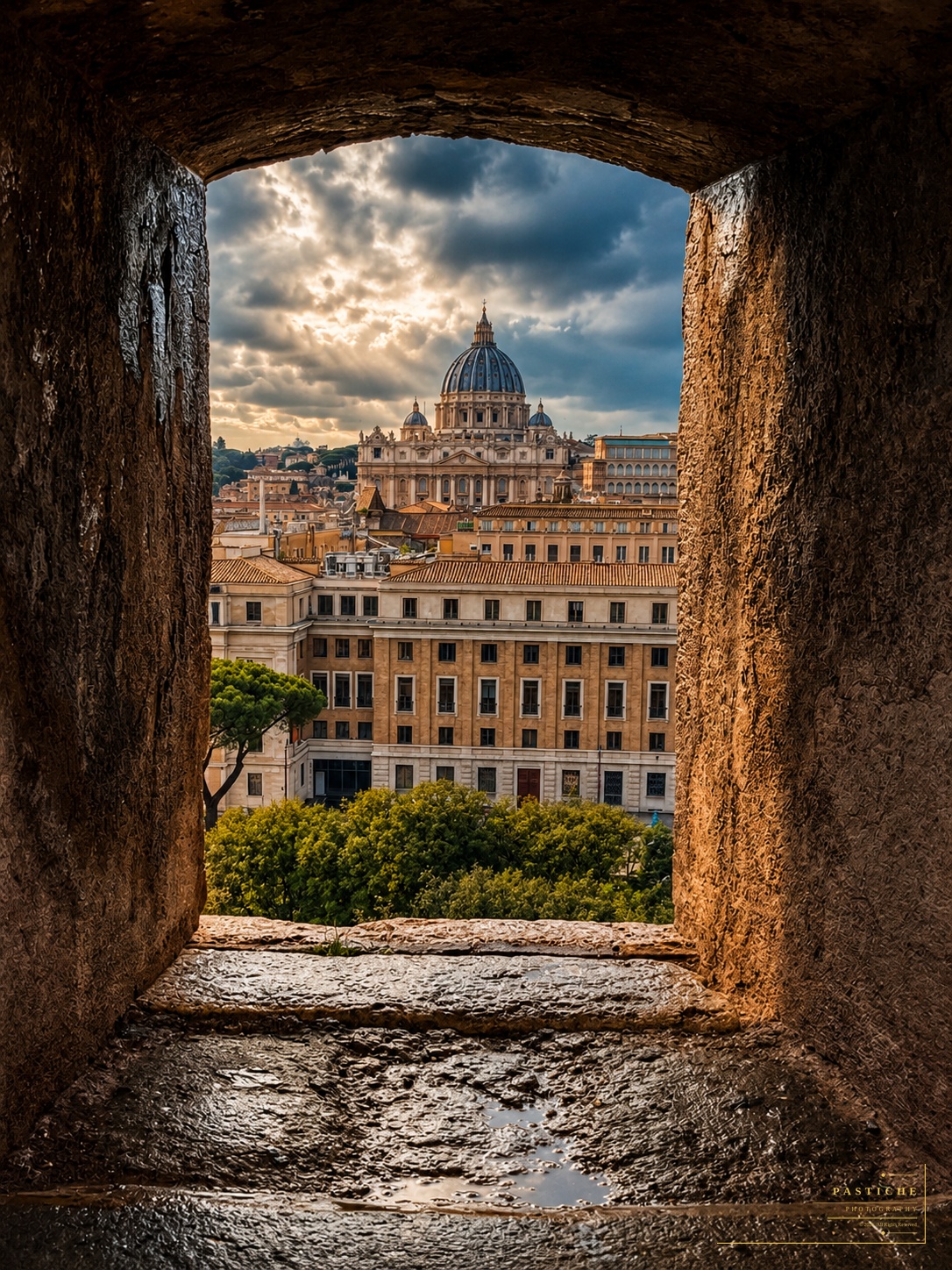
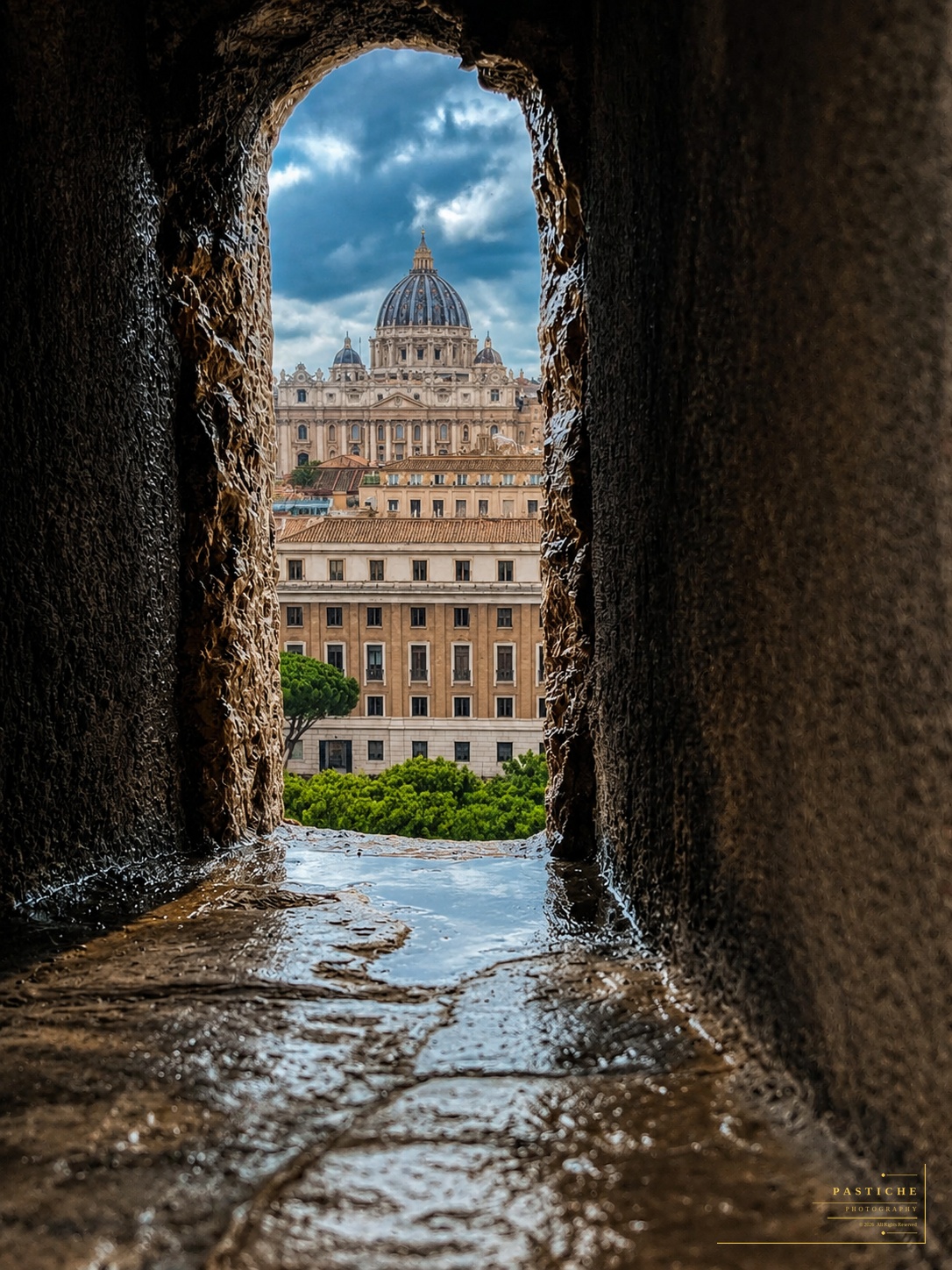
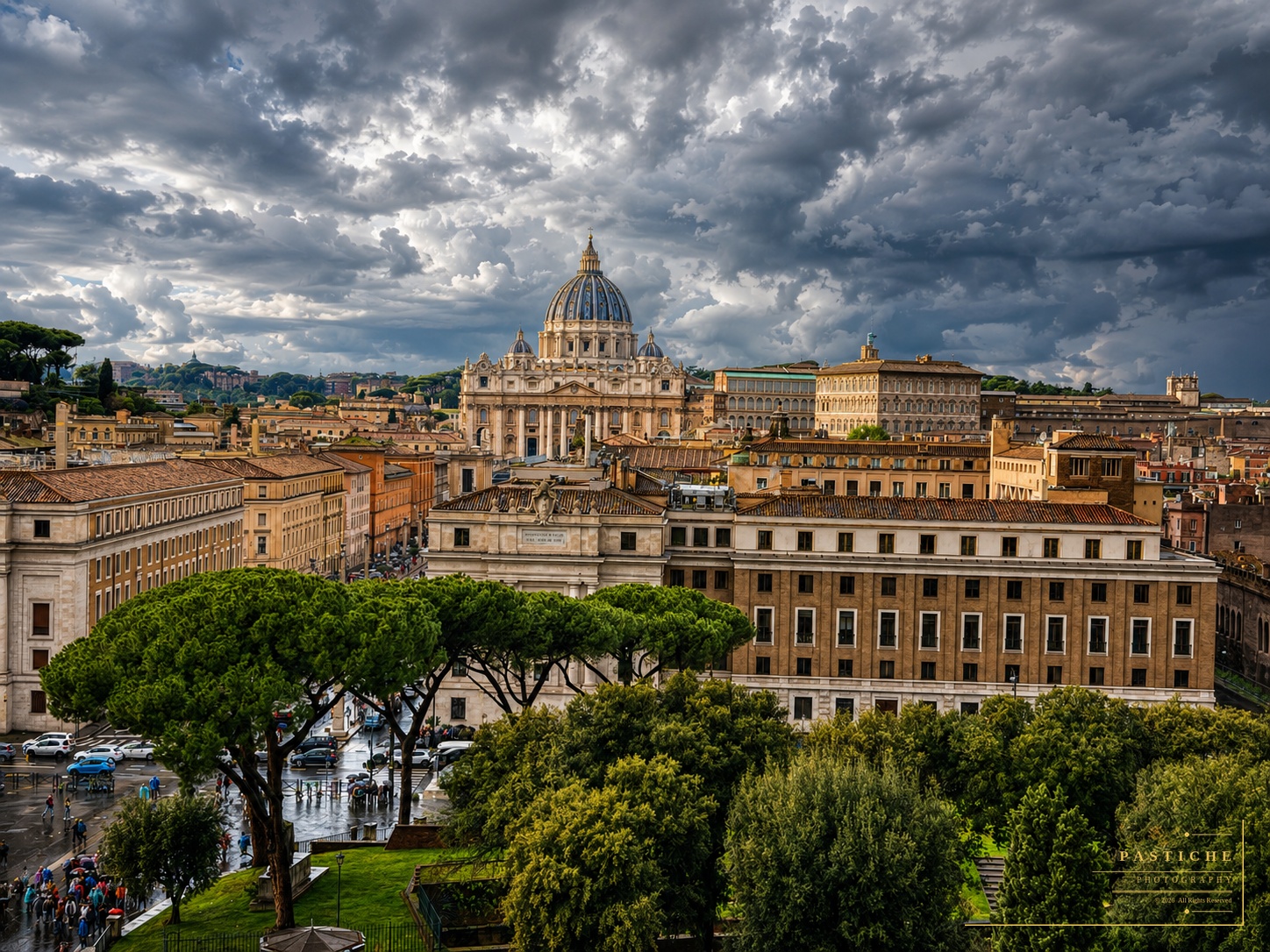
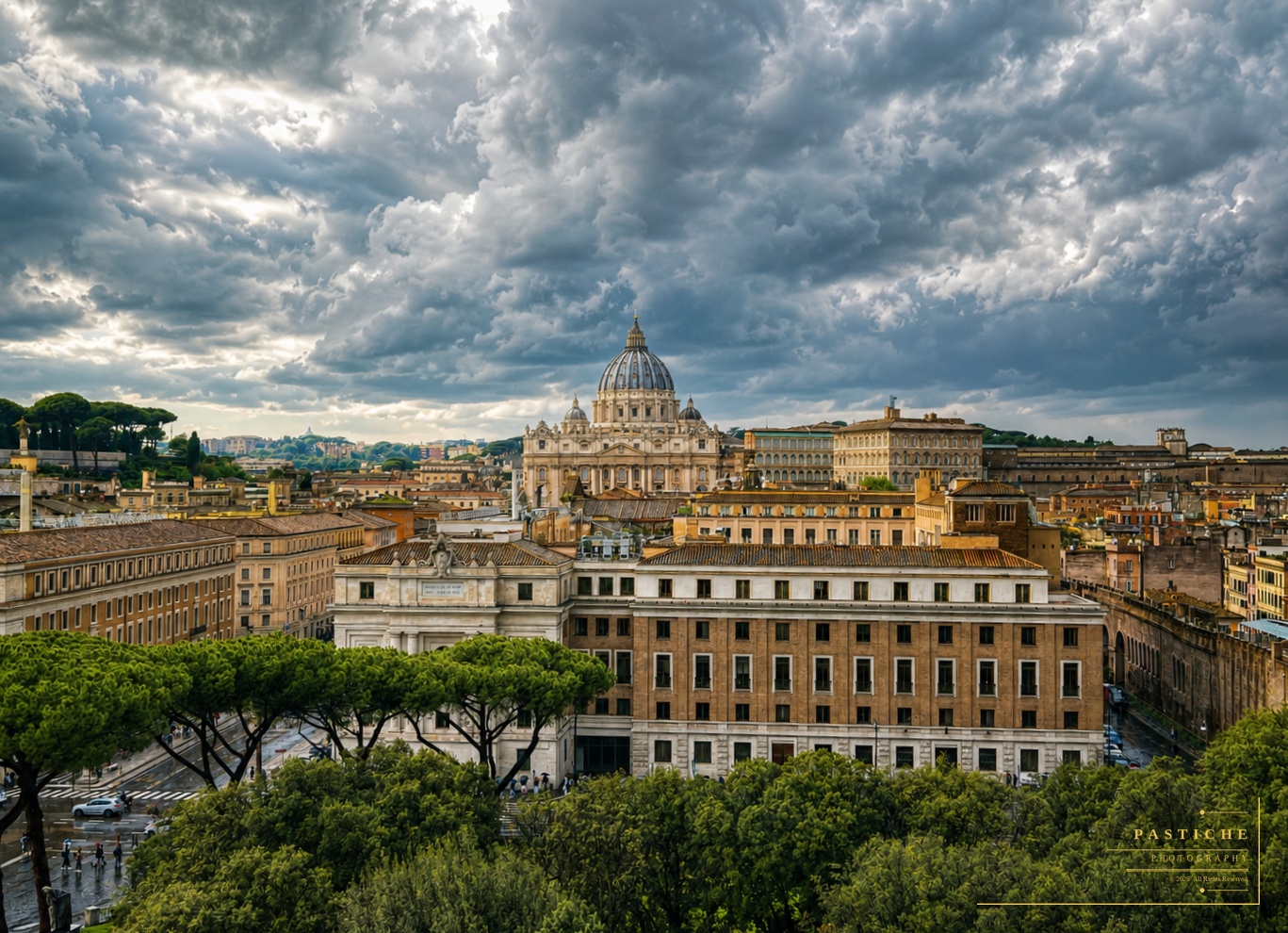
Castel Sant’Angelo is one of those places in Rome where you can really feel the layers of history. Sitting along the Tiber River, this massive cylindrical fortress was first built by Emperor Hadrian around 123 AD as a grand mausoleum for himself and his family. Over nearly 2,000 years, it has been transformed from an imperial tomb into a fortress, a safe place for popes, a military prison, and now a museum.
Its history can really be looked at in four major chapters:
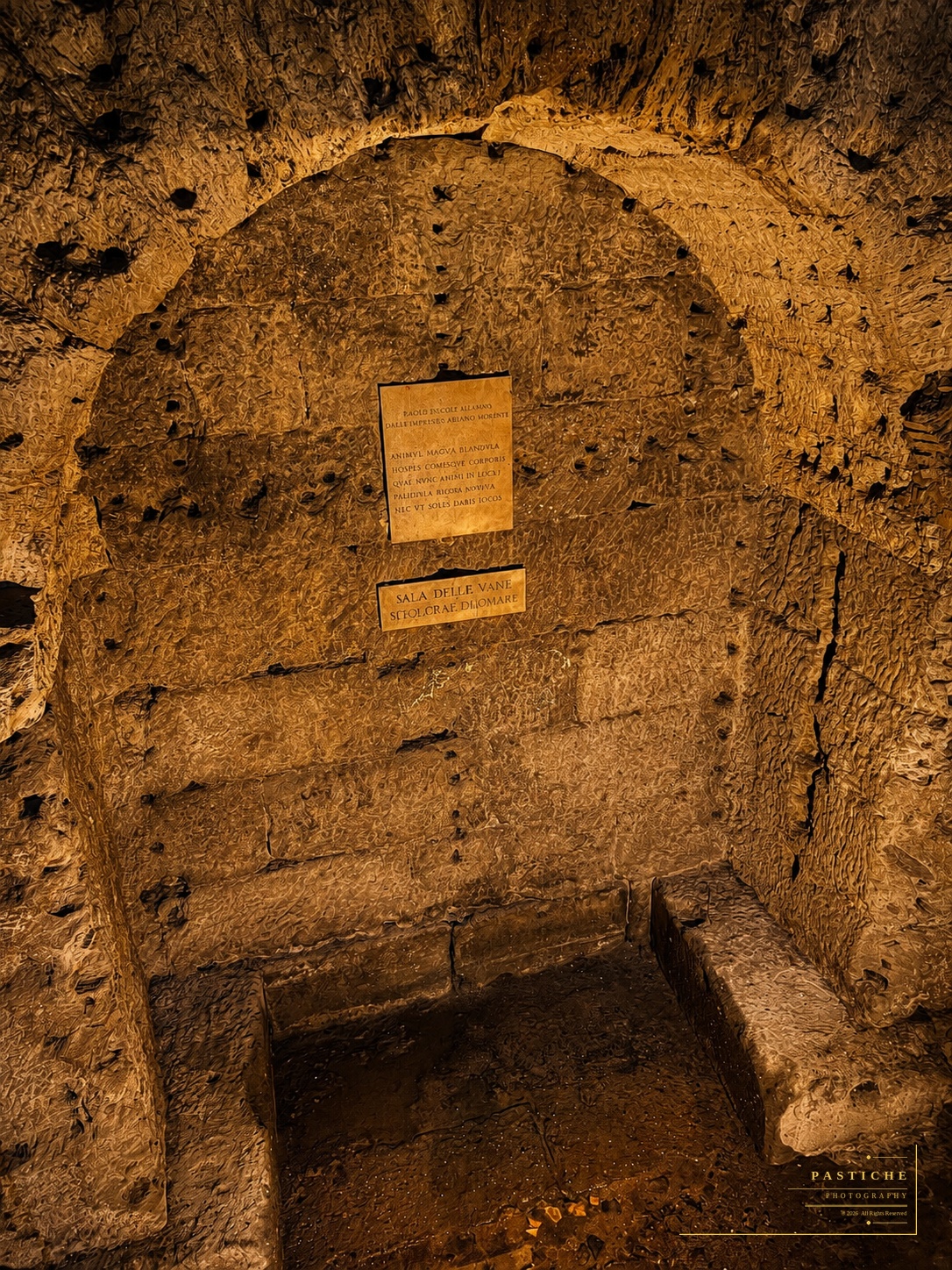
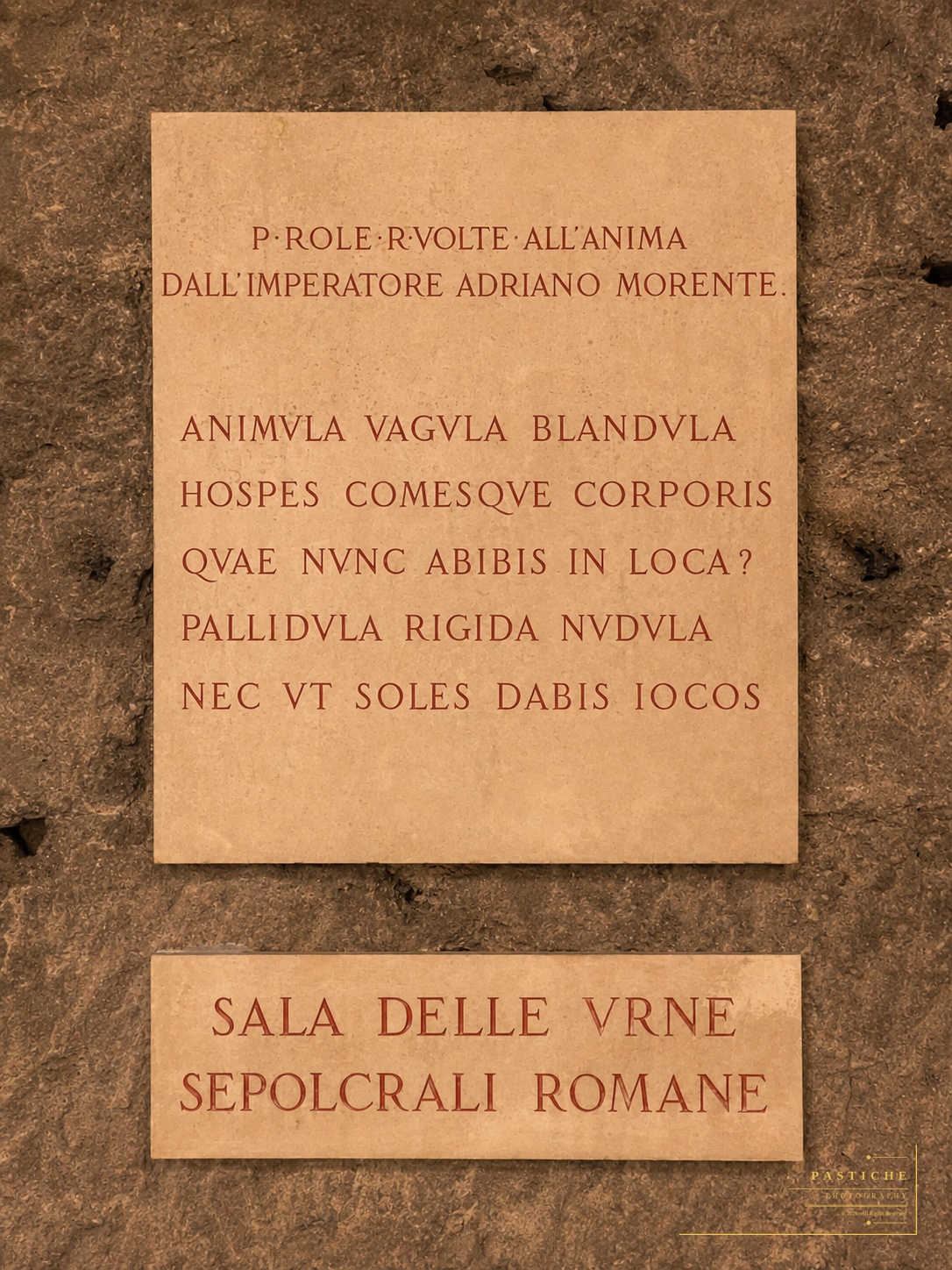
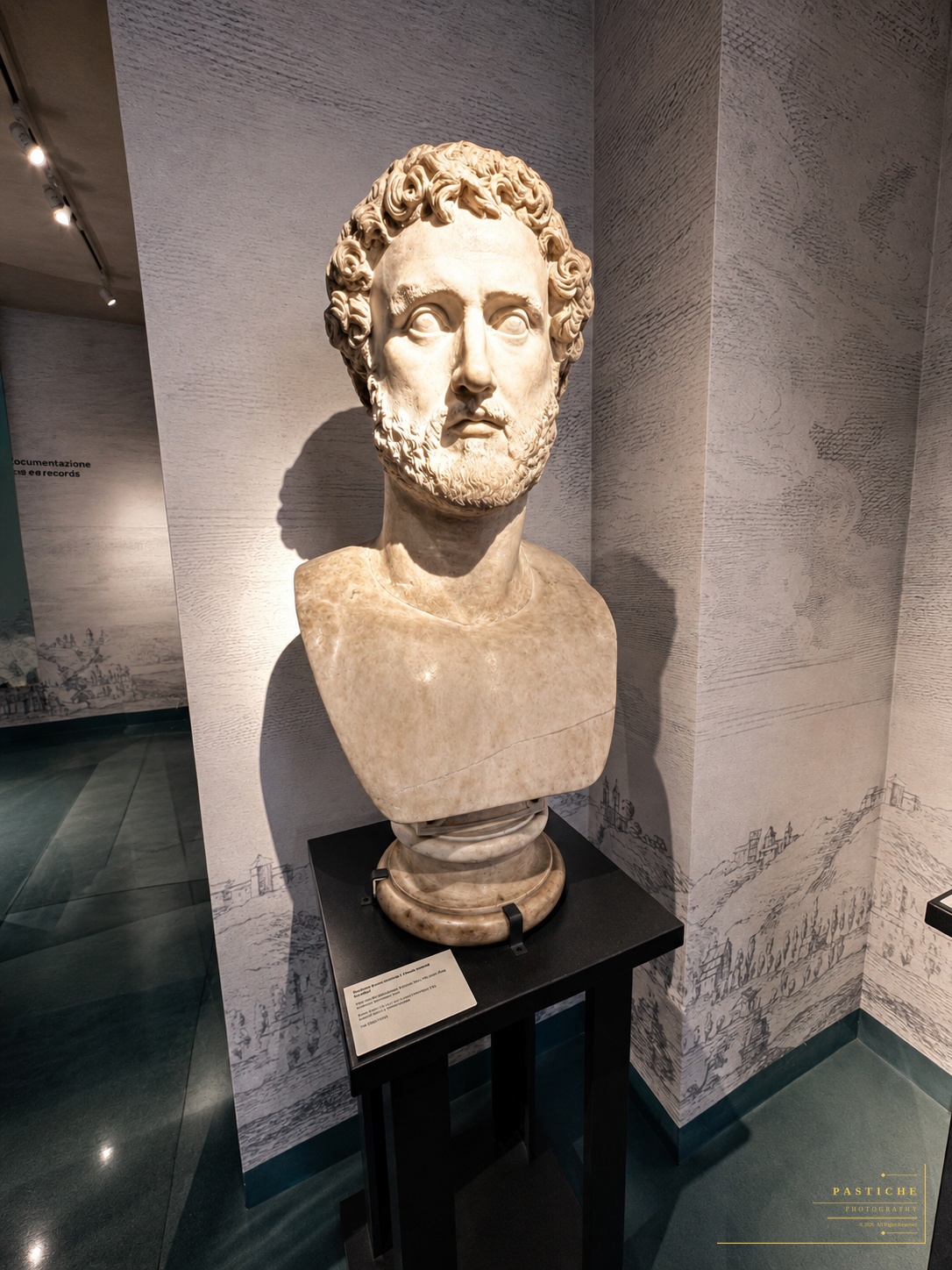
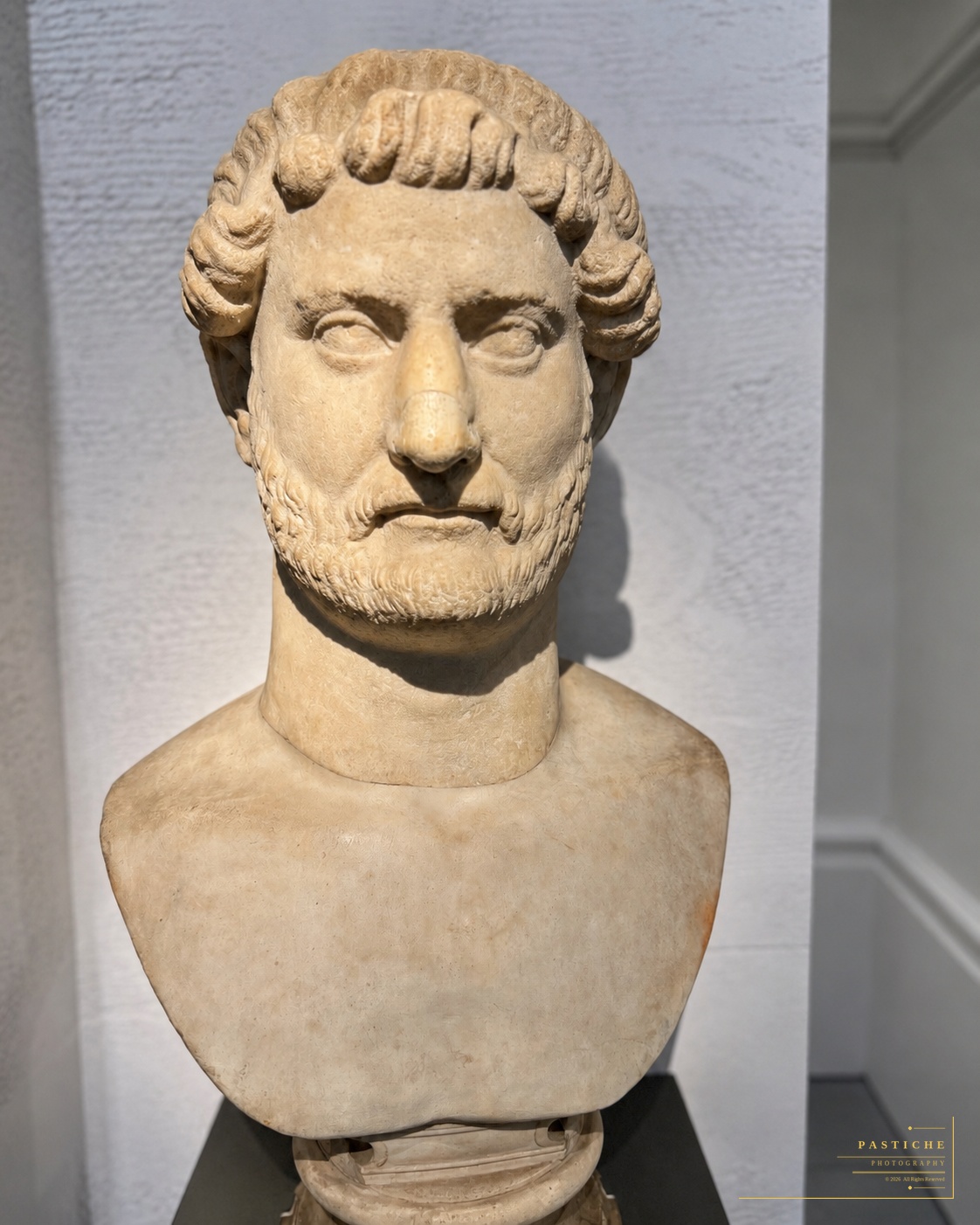
The Roman Mausoleum: Originally completed around 139 AD, Hadrian’s tomb was designed to stand alongside the great monuments of Rome. For centuries, it held the ashes of Roman emperors and their families before later becoming part of the city’s defenses.
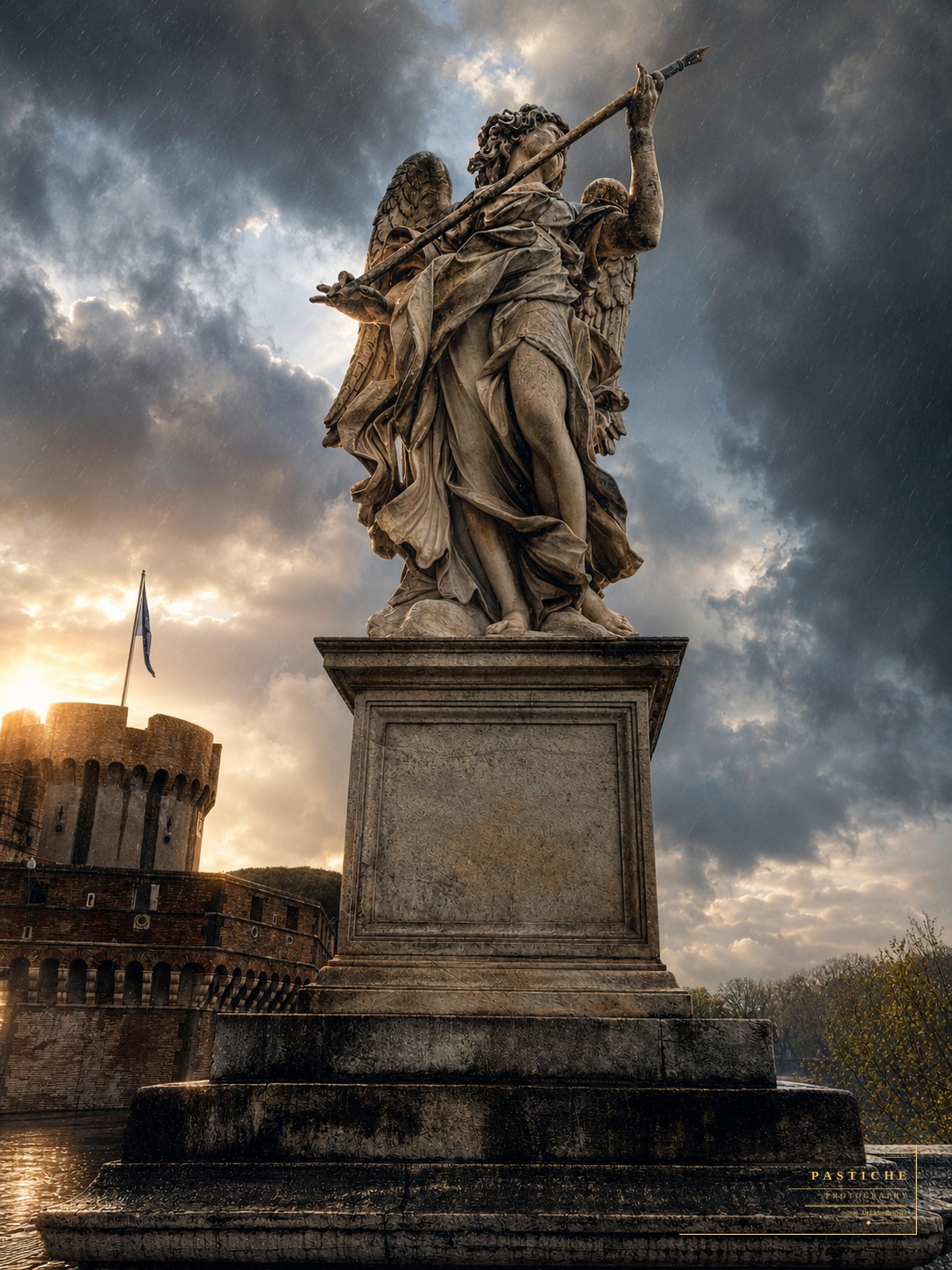
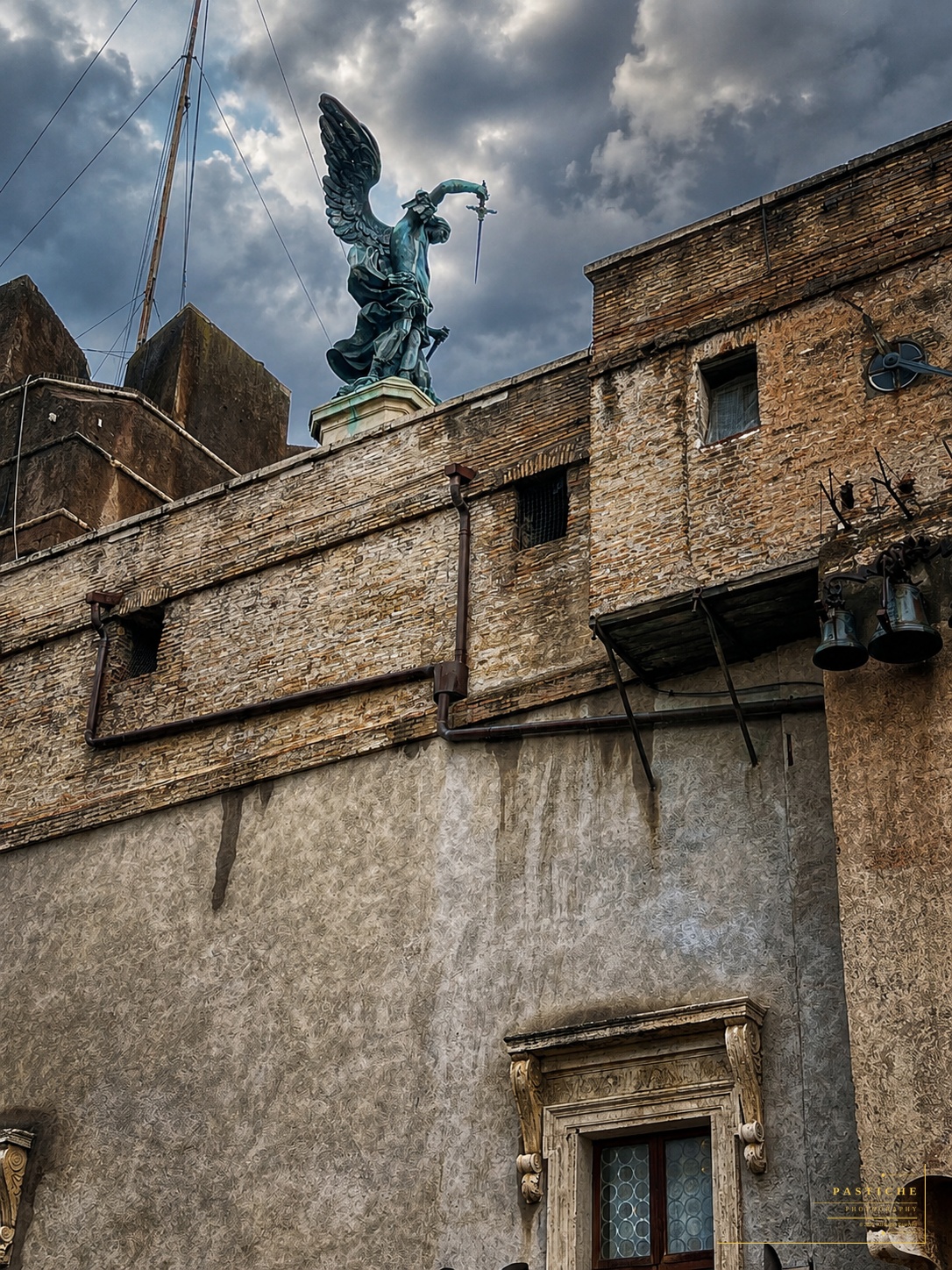
The “Holy Castle”: In 590 AD, legend says Pope Gregory the Great saw the Archangel Michael above the castle, putting away his sword as a sign that a terrible plague was ending. That vision is what gave Castel Sant’Angelo its name.
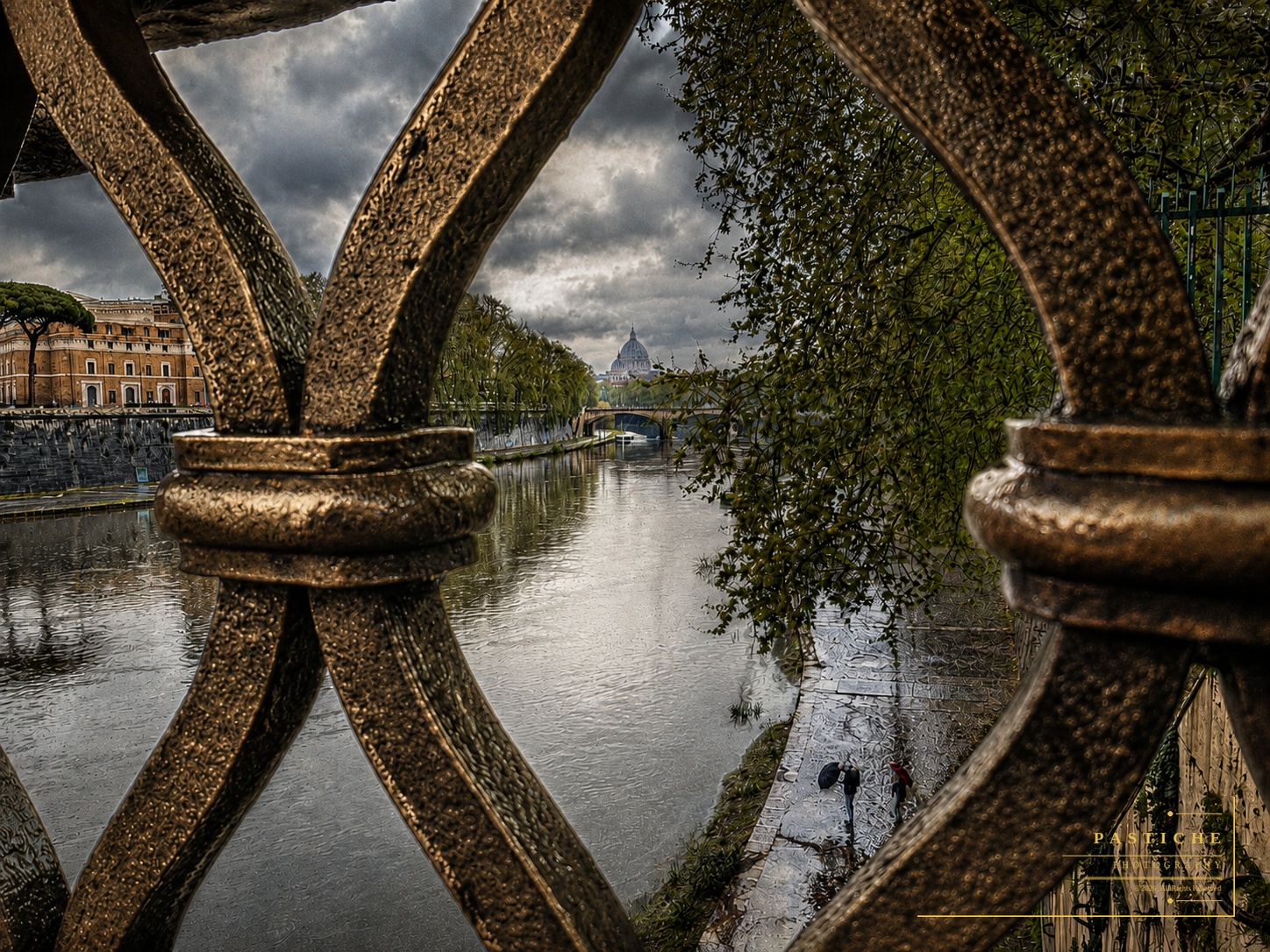
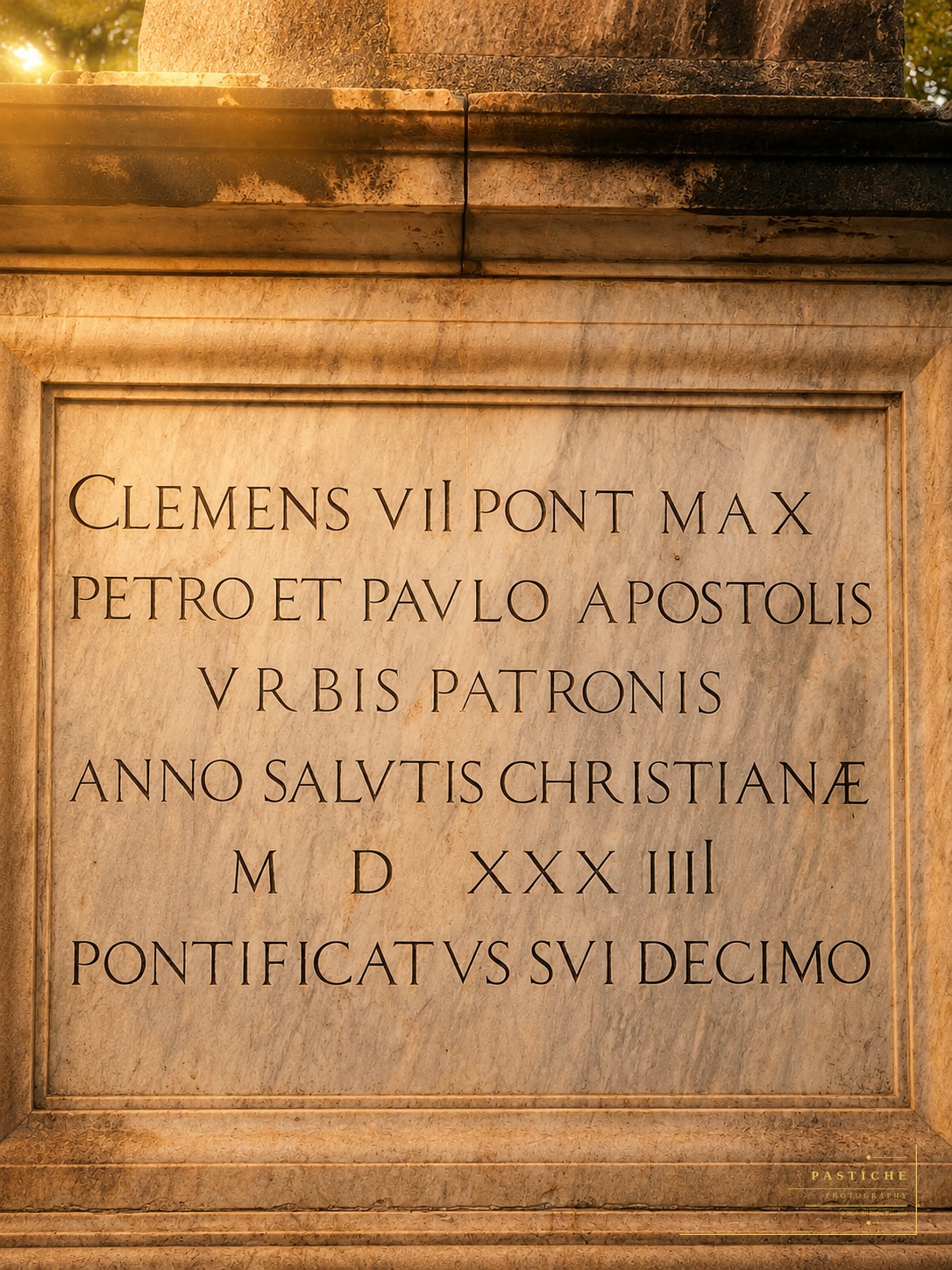
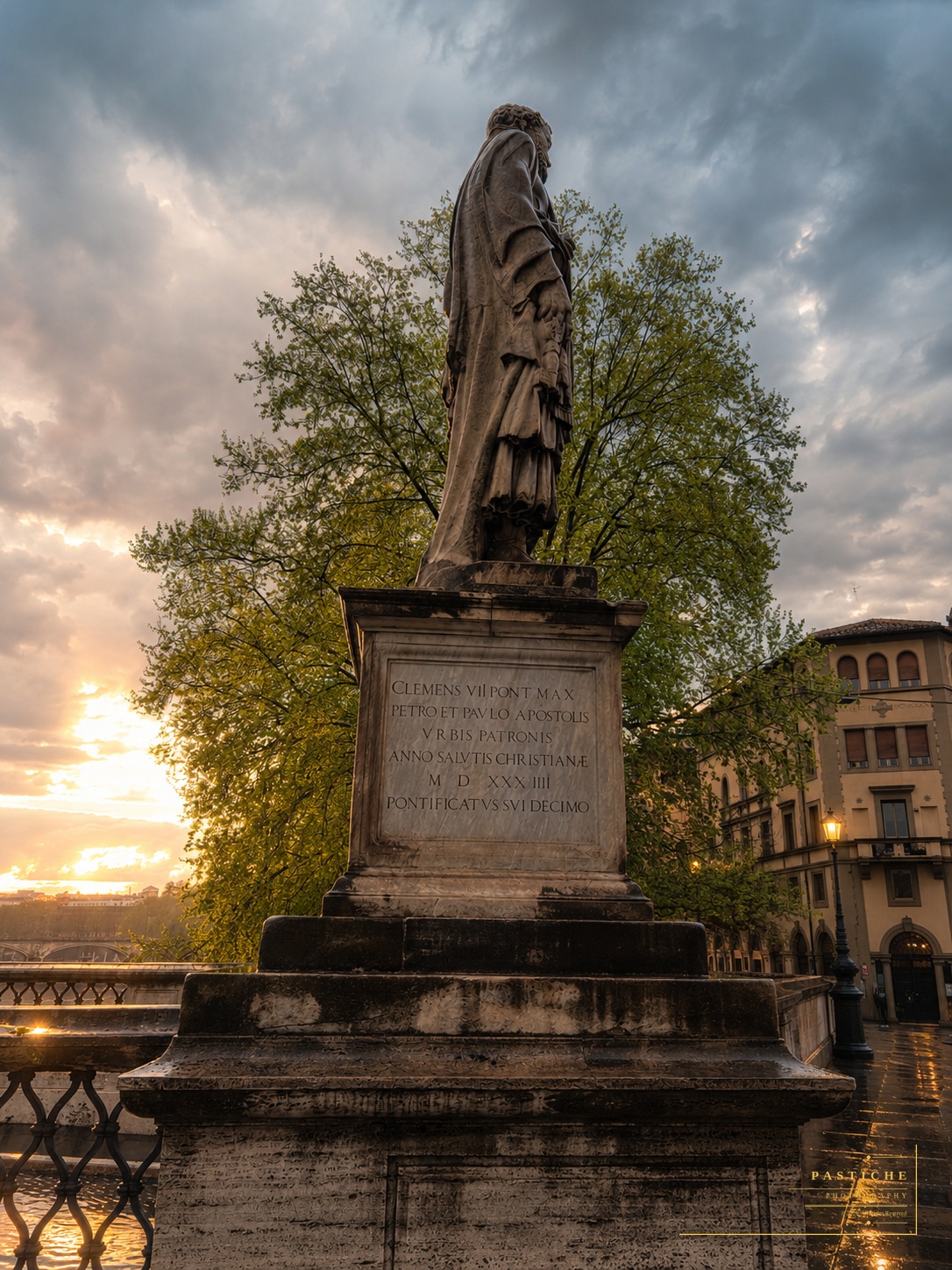
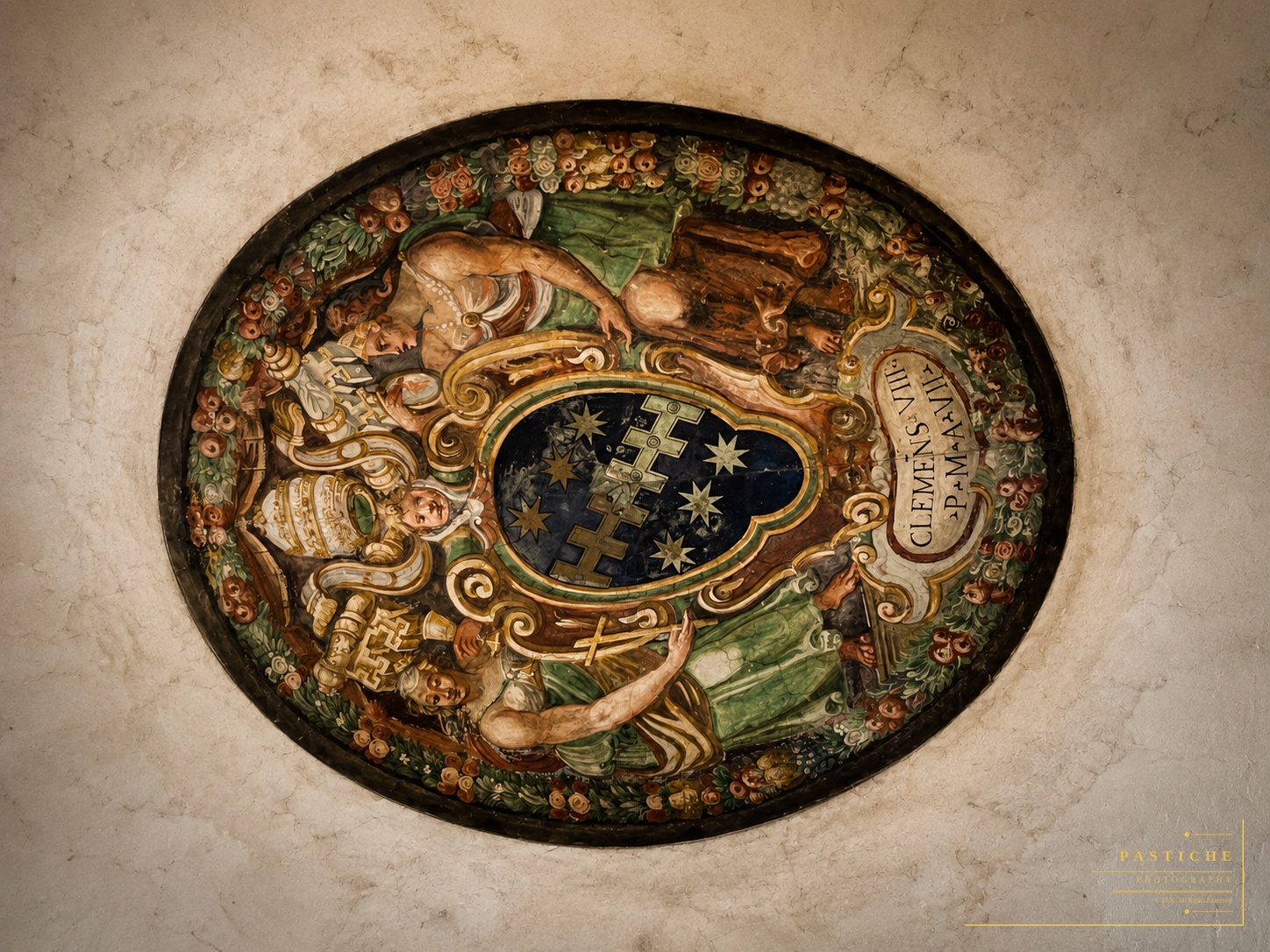
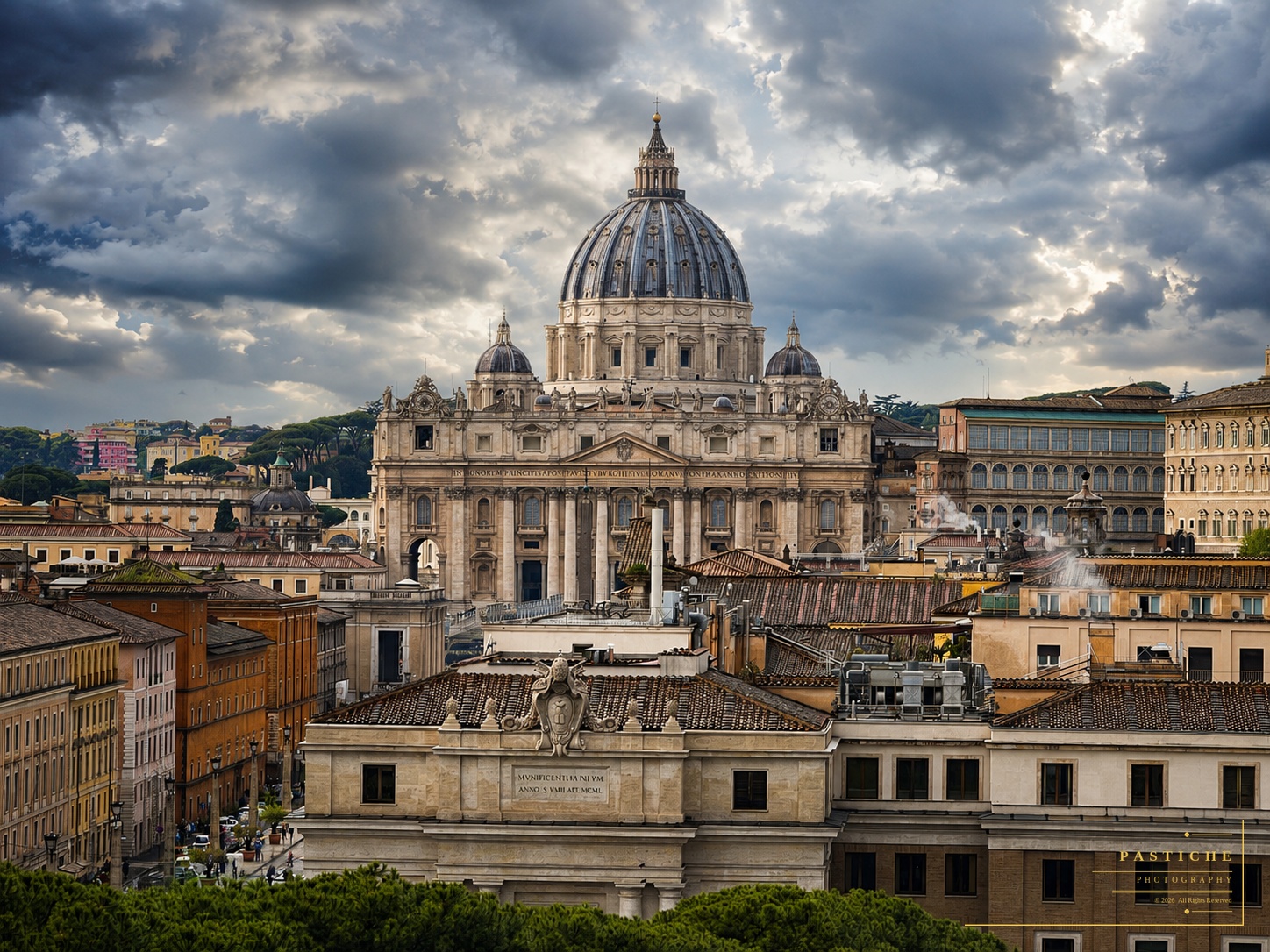
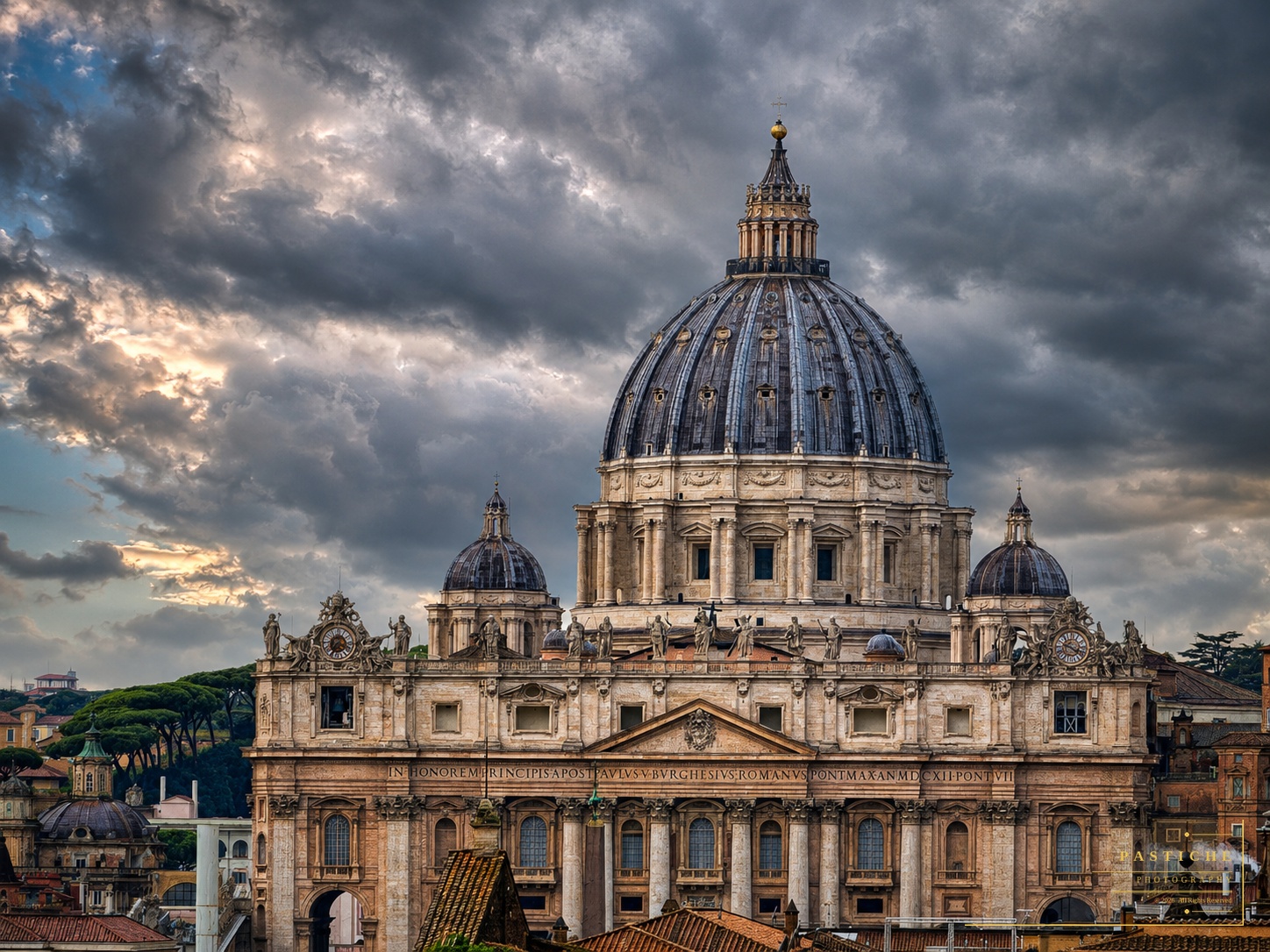
The Papal Fortress: During the Middle Ages and Renaissance, the popes turned the building into a stronghold to protect the Vatican. They also built the Passetto di Borgo, an elevated passageway connecting the castle to St. Peter’s Basilica. This escape route was used by popes during times of danger, including Pope Clement VII during the Sack of Rome in 1527.
Prison and Museum: Later, Castel Sant’Angelo served as a military barracks and political prison. Eventually, it was restored and became the National Museum of Castel Sant’Angelo, allowing visitors today to walk through one of Rome’s most fascinating and layered historic landmarks.
We need your consent to load the translations
We use a third-party service to translate the website content that may collect data about your activity. Please review the details in the privacy policy and accept the service to view the translations.