PASTICHE PHOTOGRAPHY
Travel & Destination Photography
PASTICHE PHOTOGRAPHY
Travel & Destination Photography
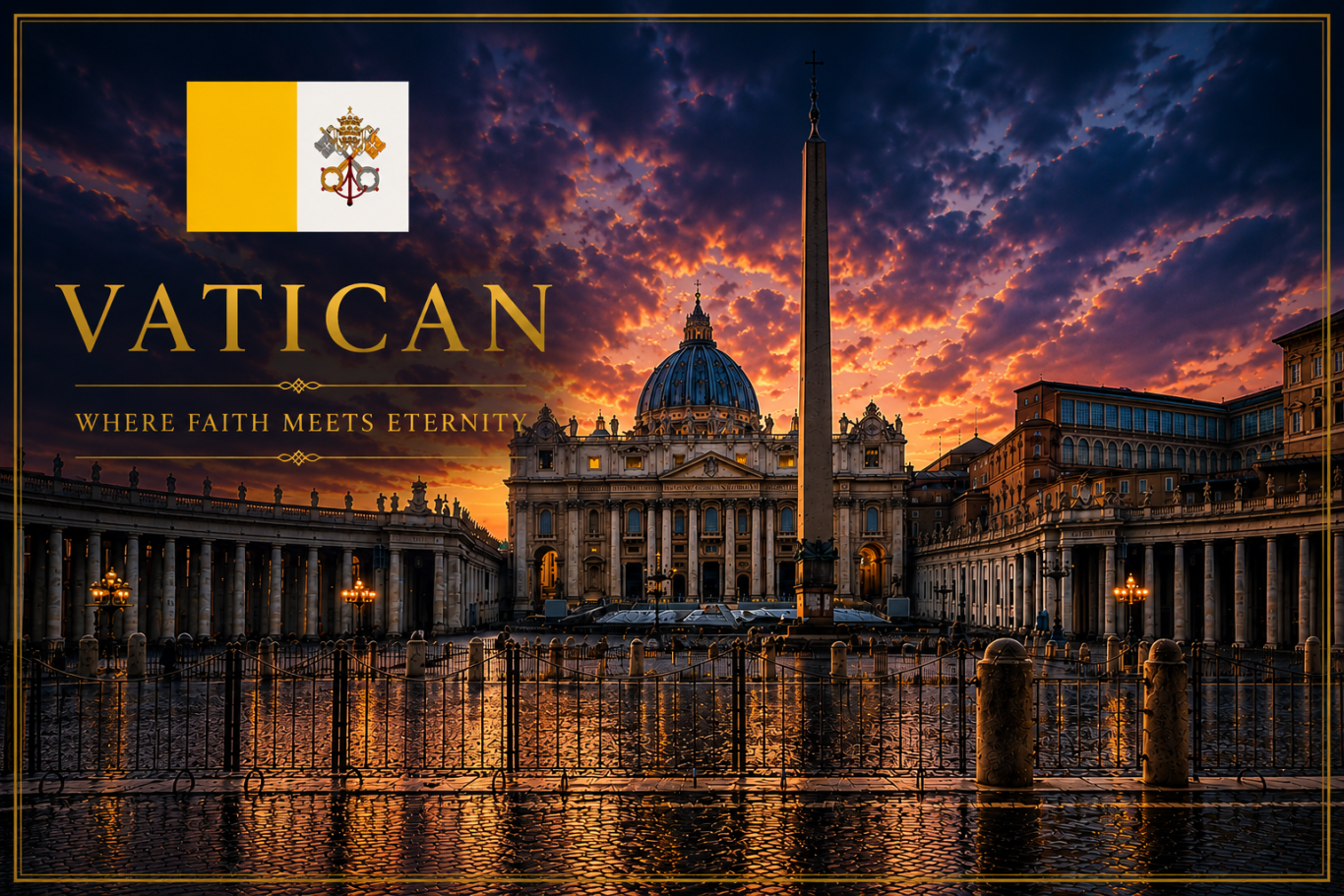
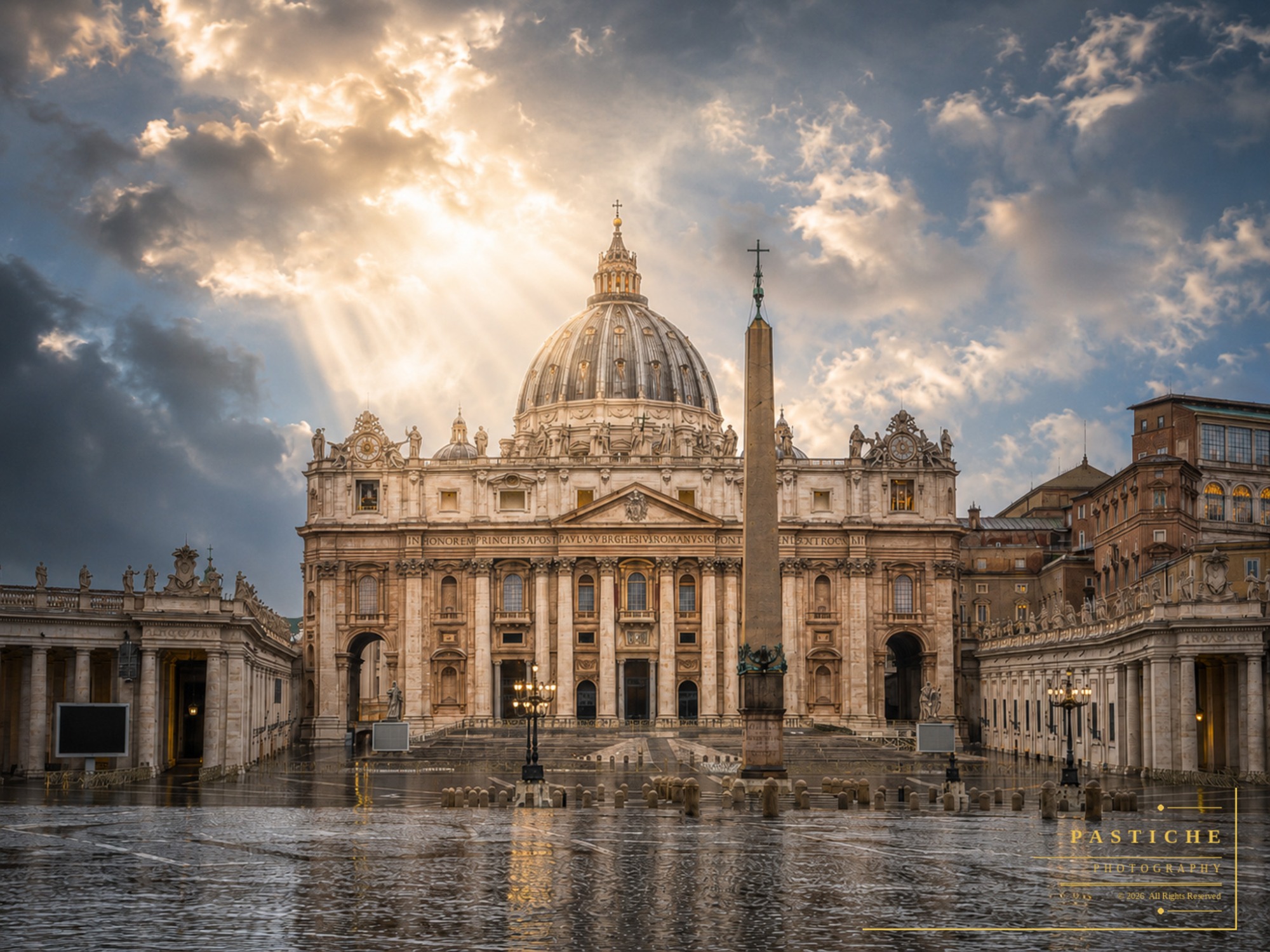
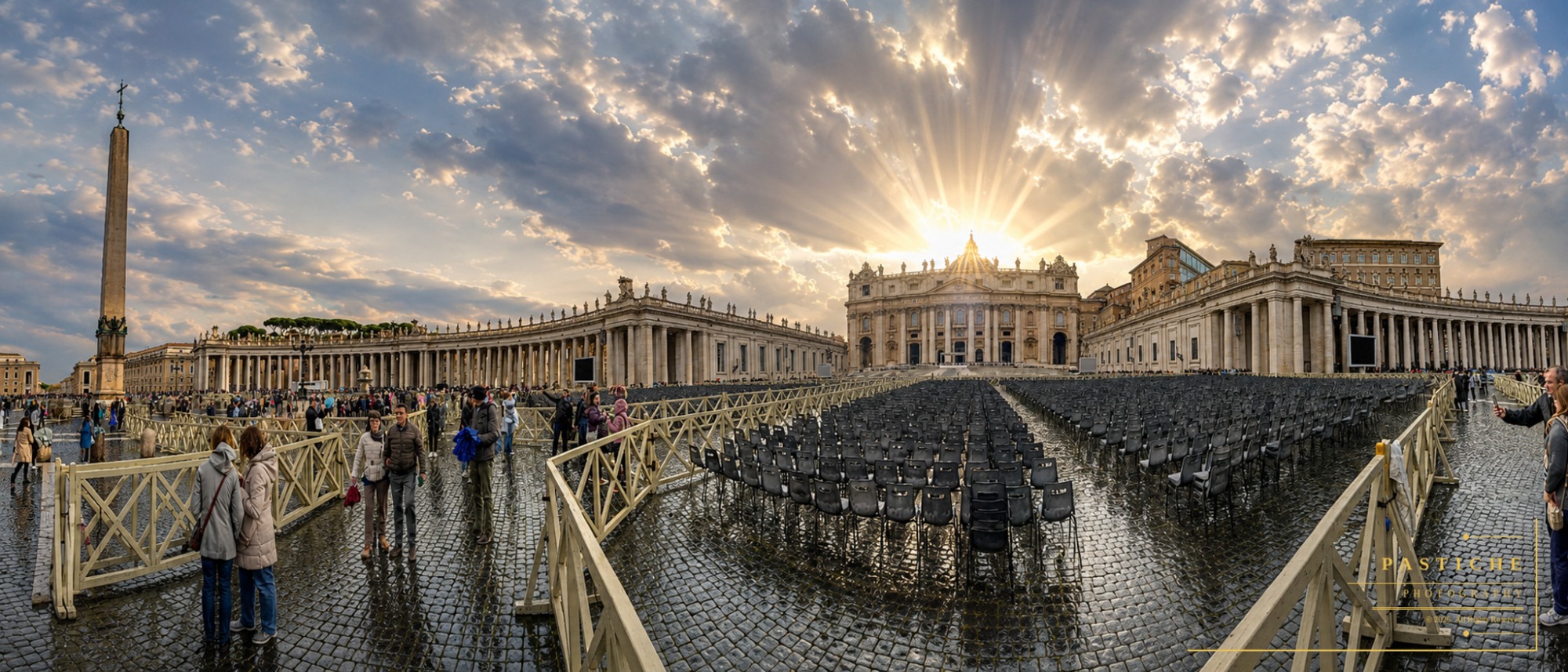
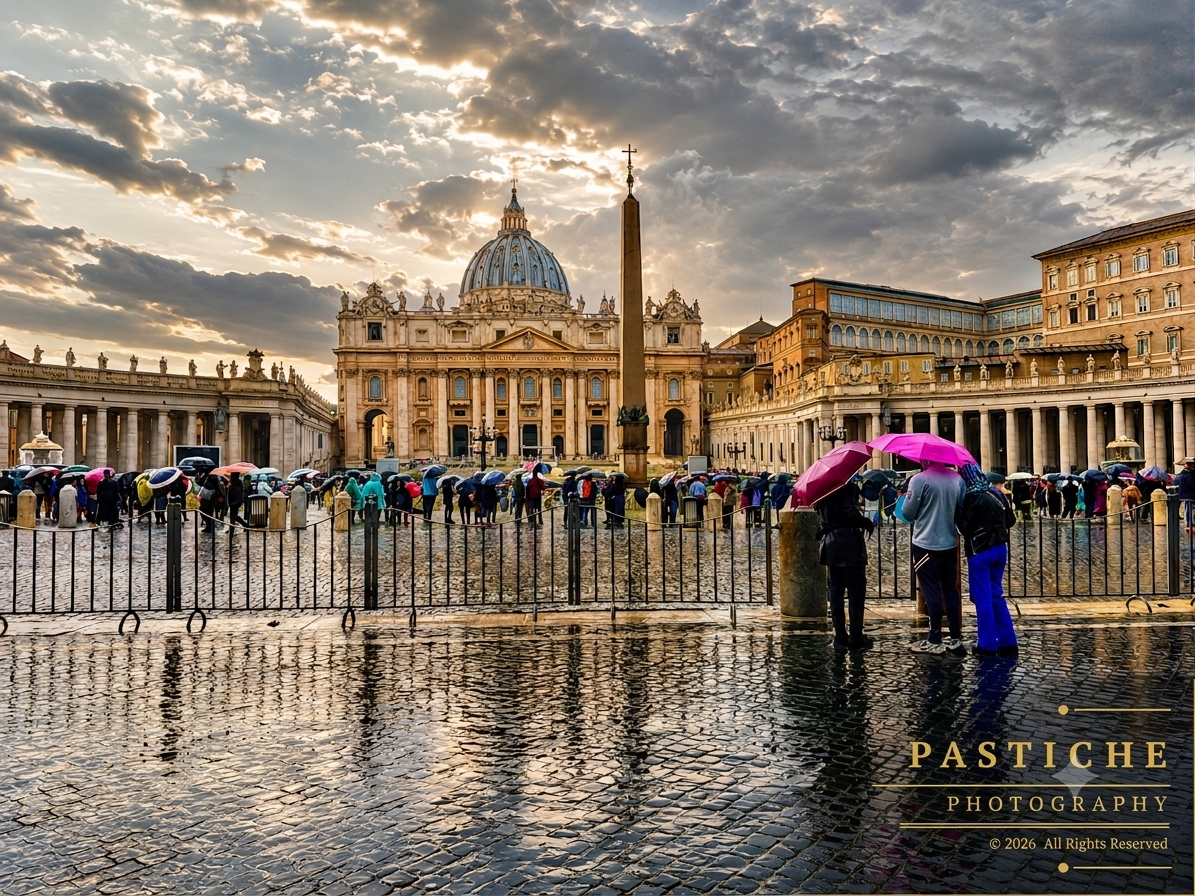
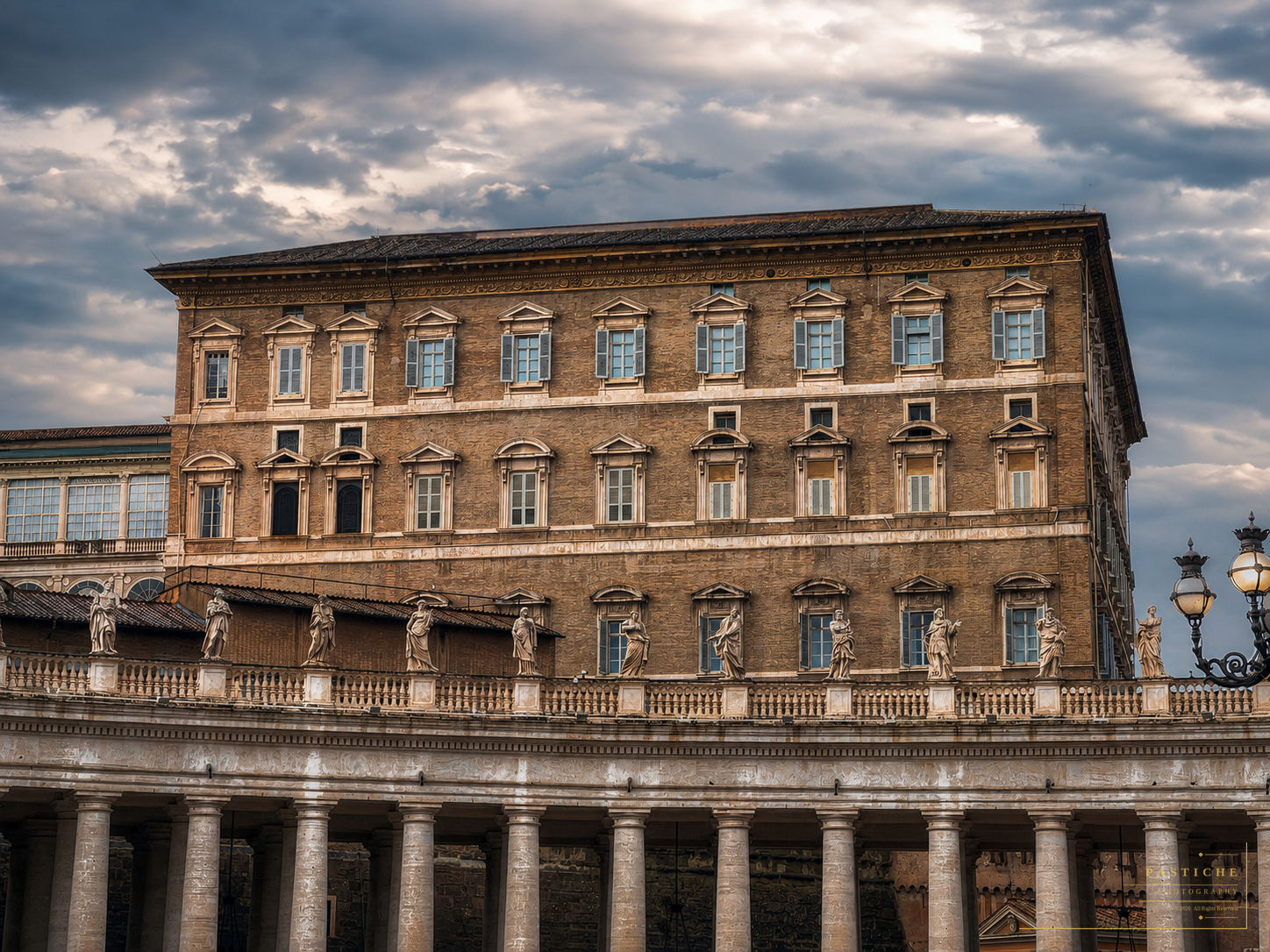
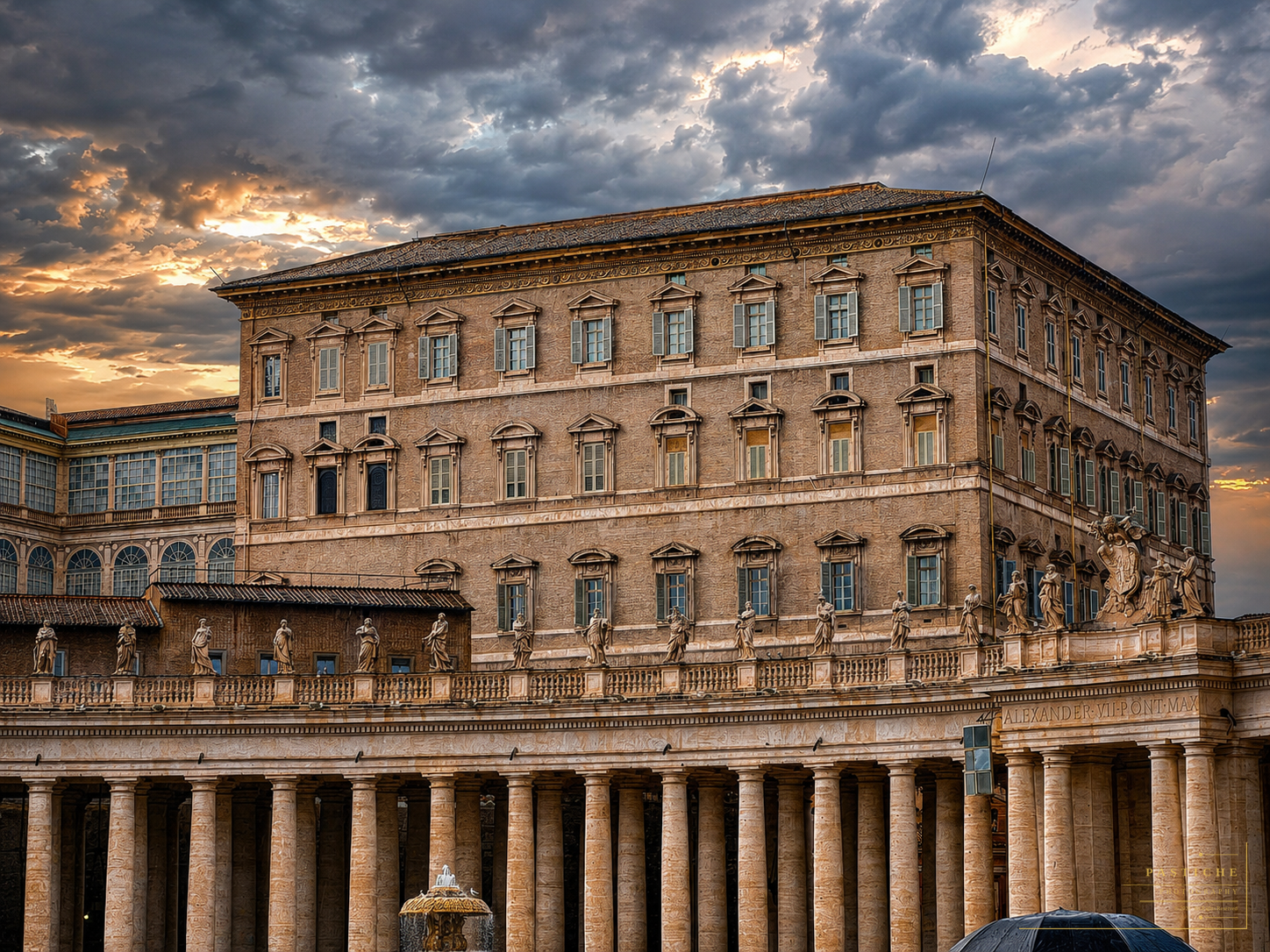
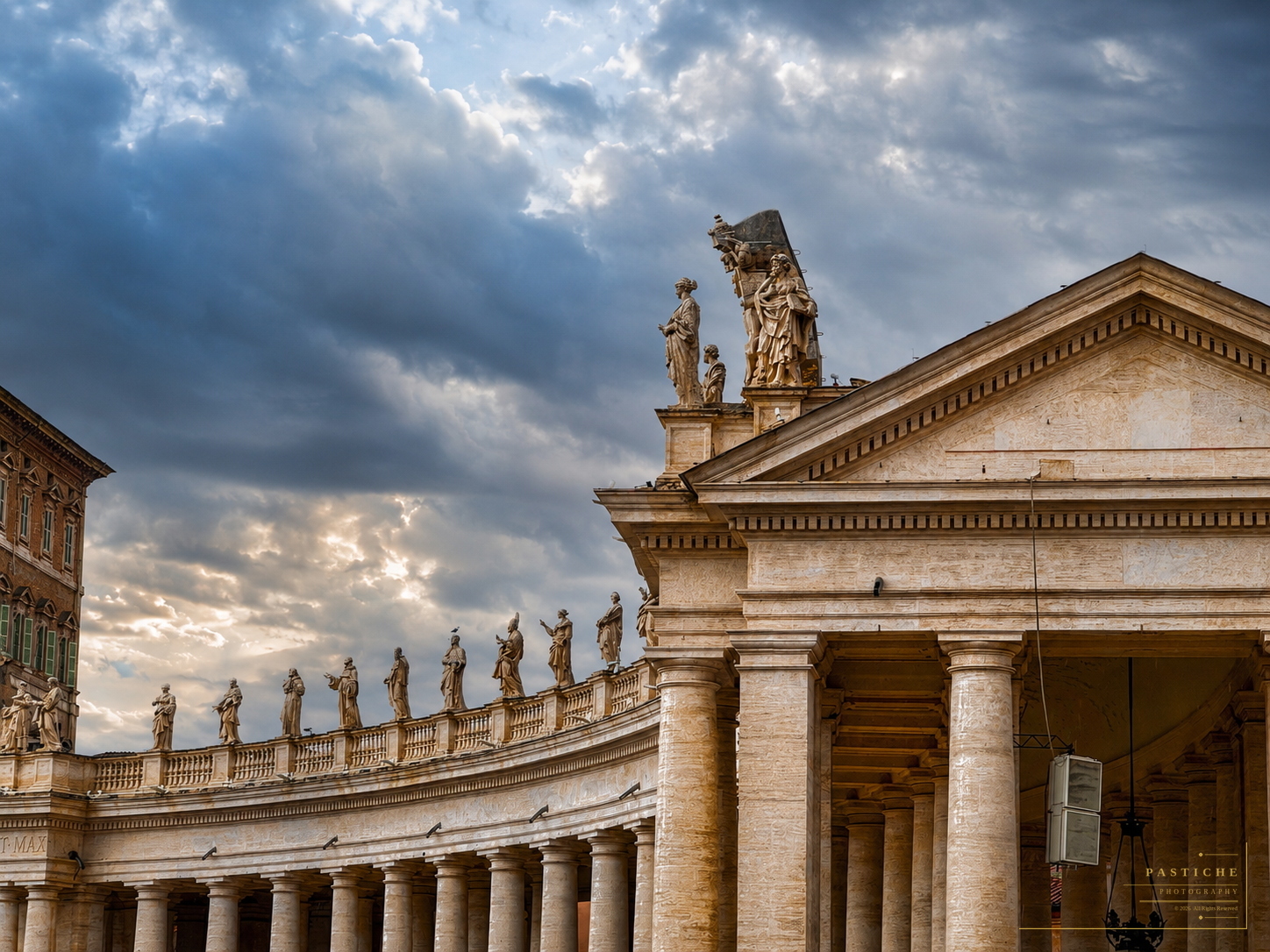
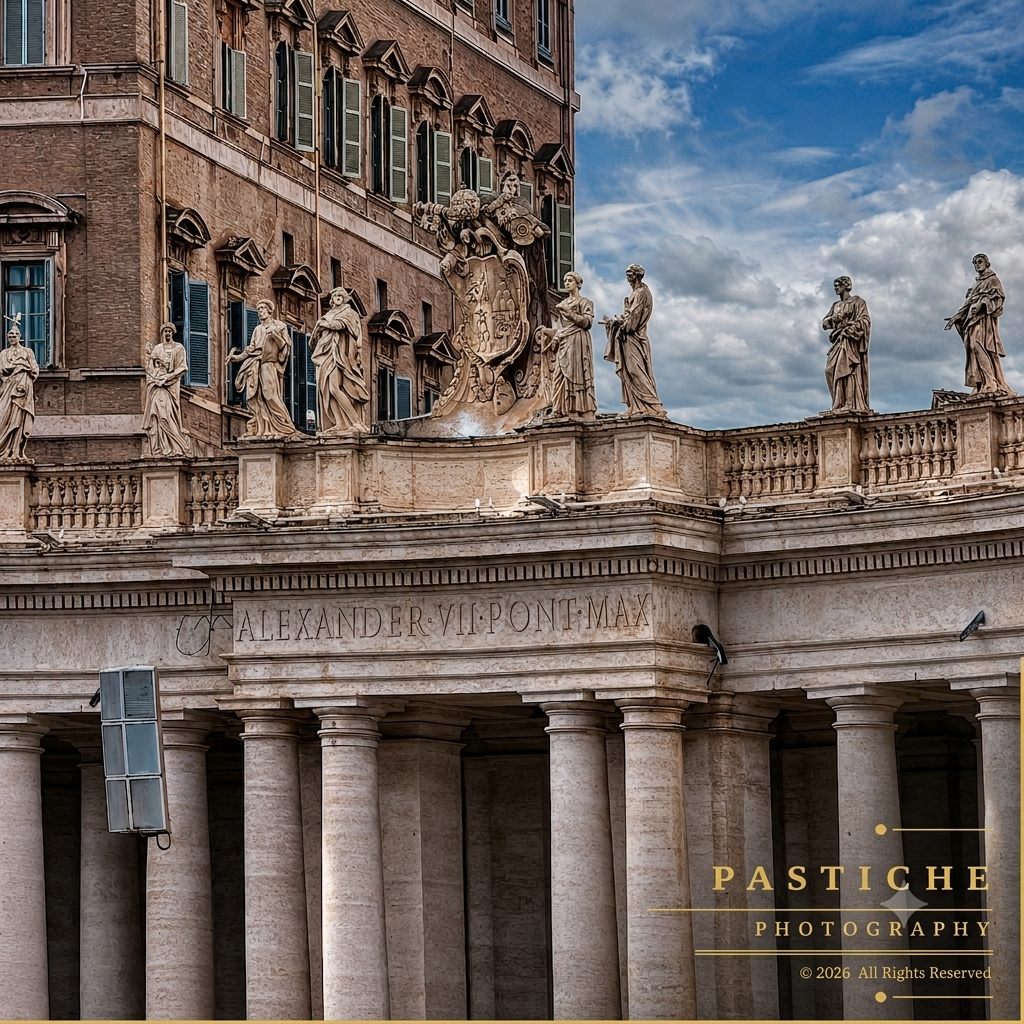
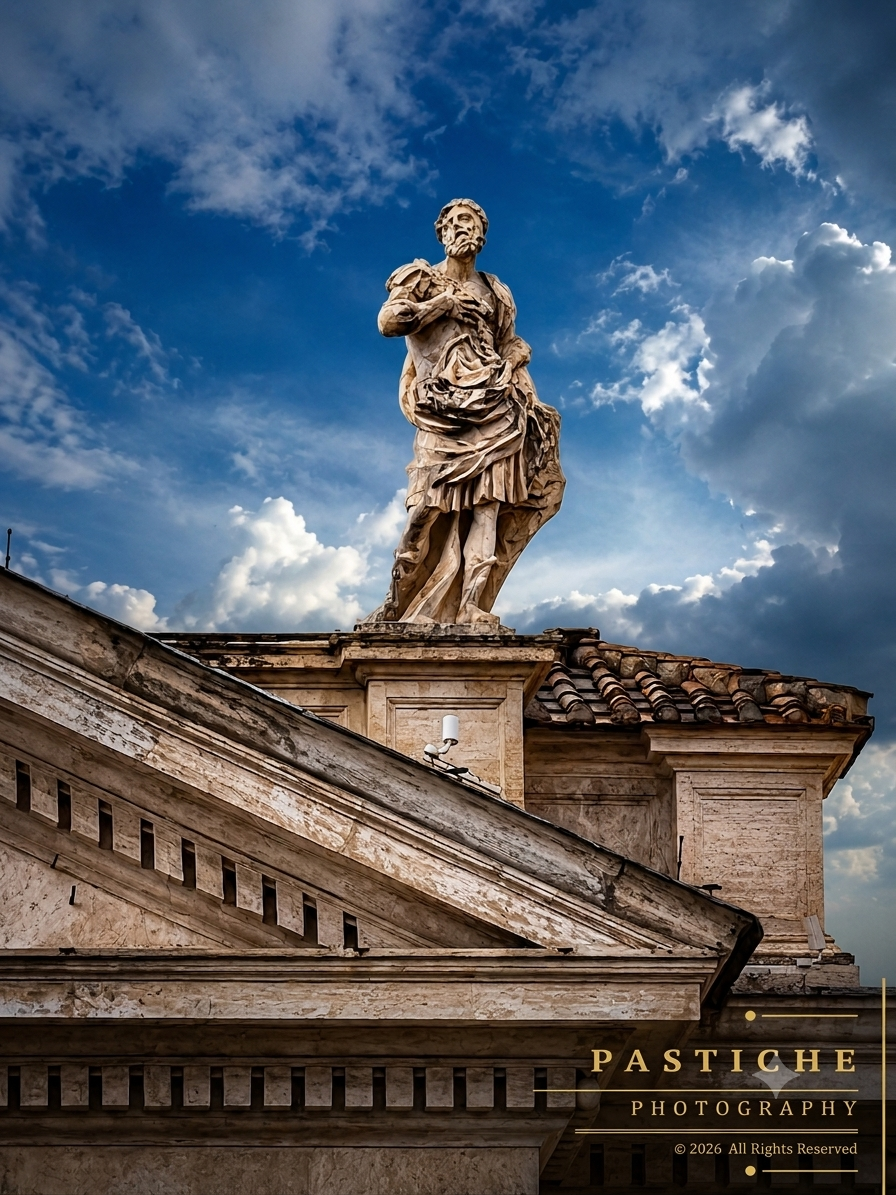
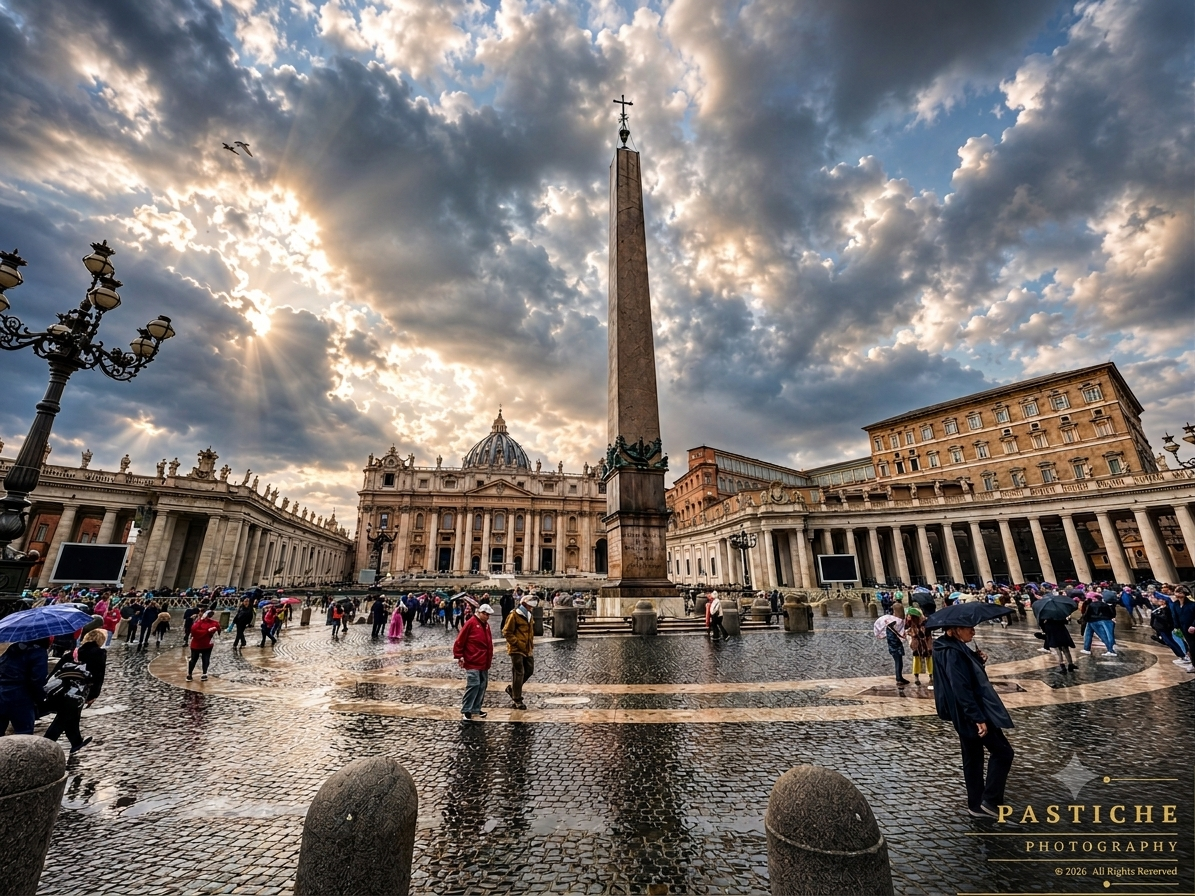
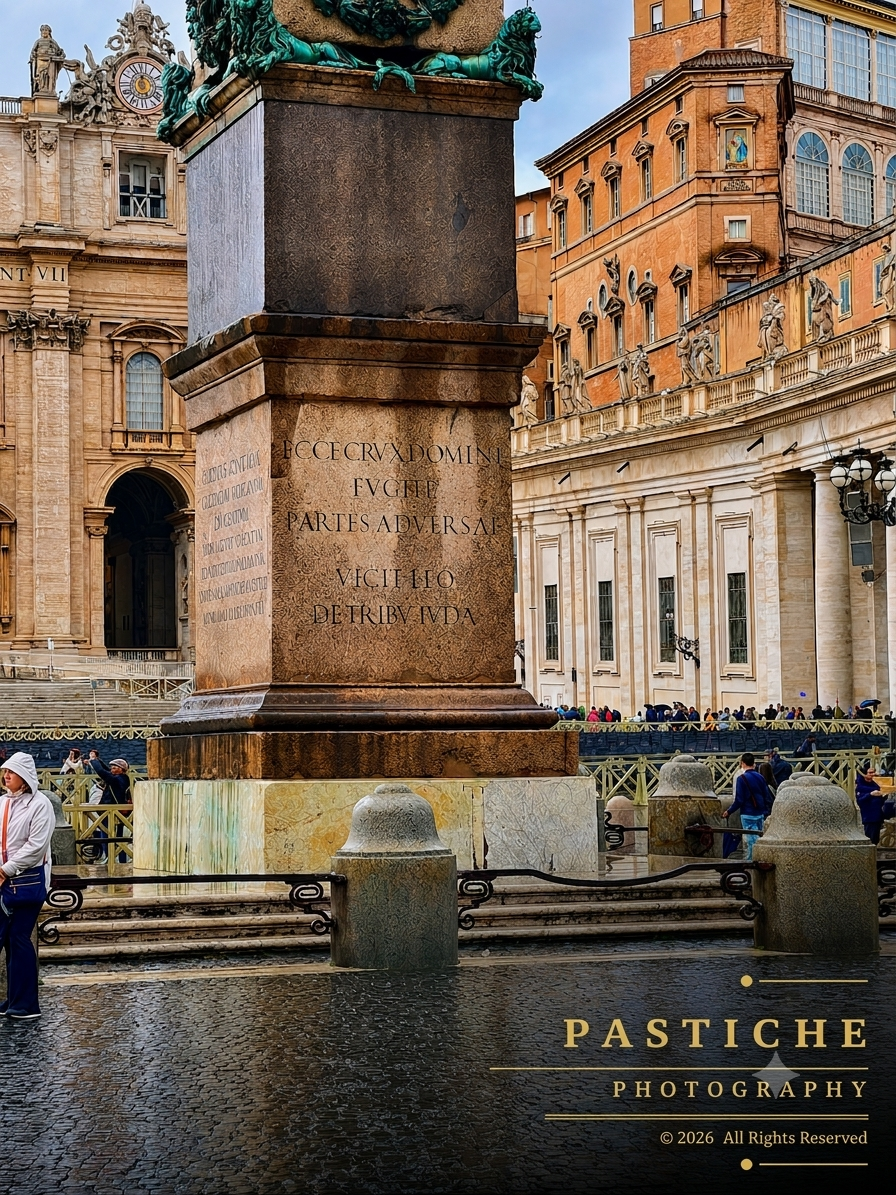
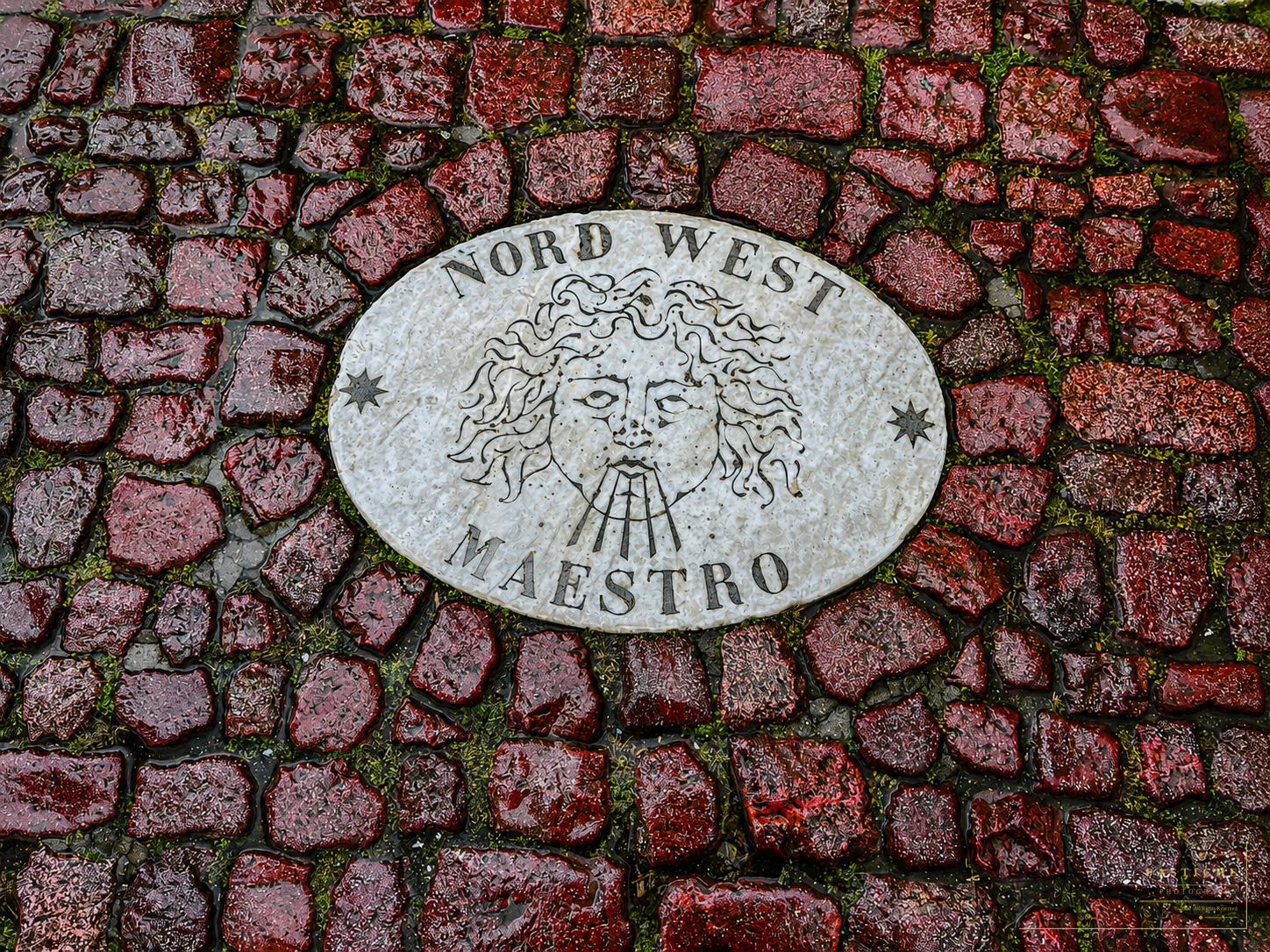
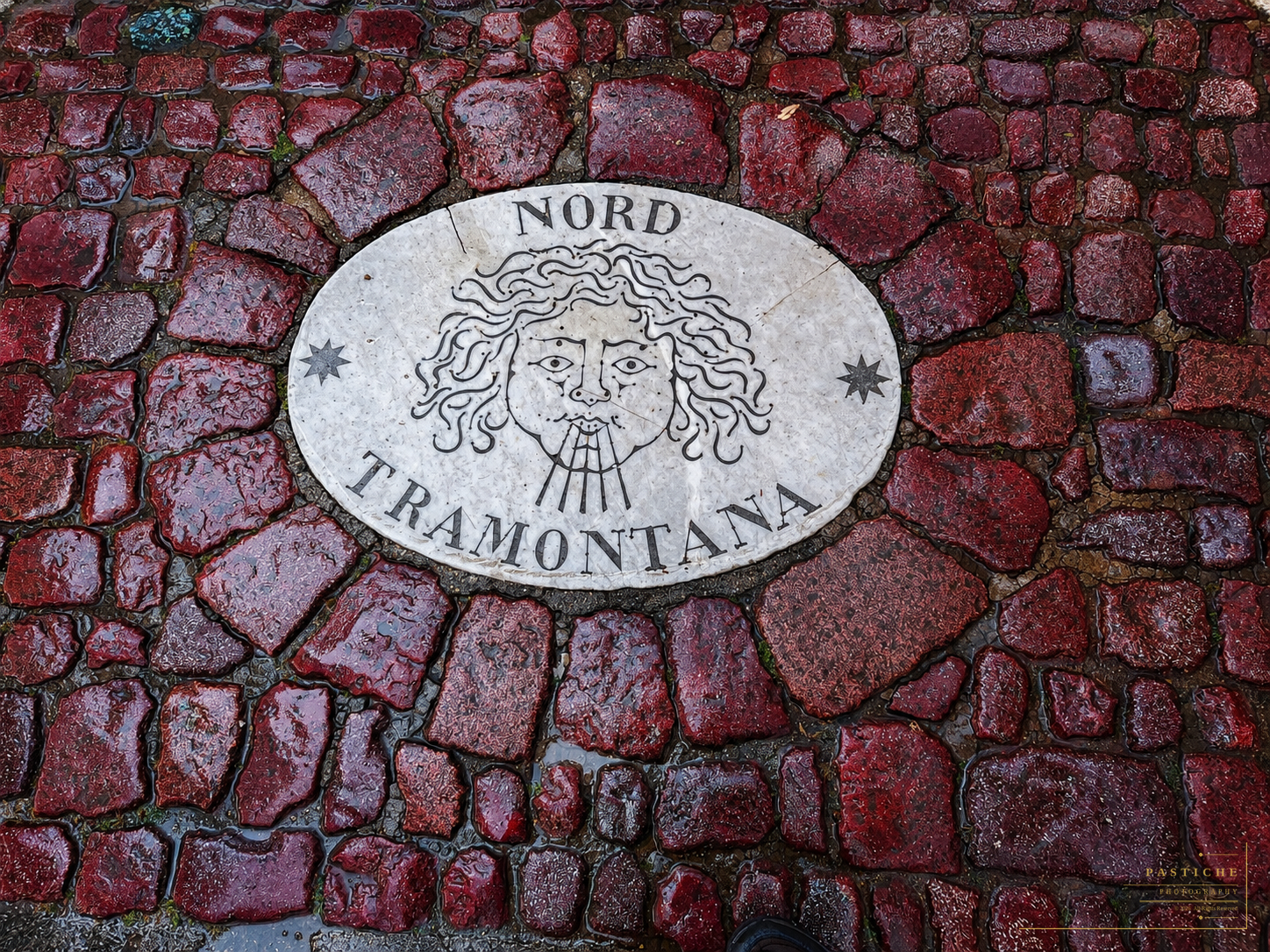
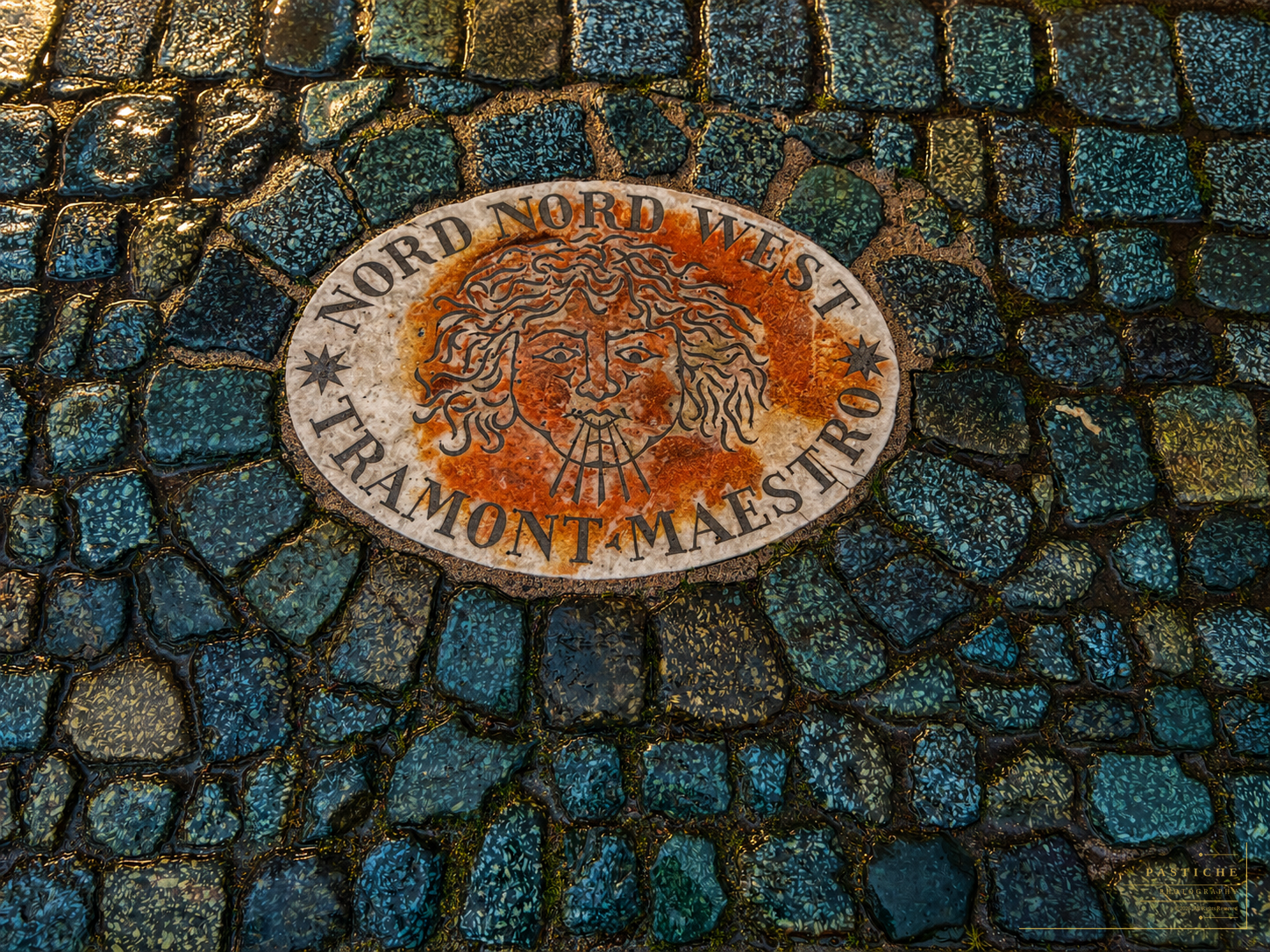
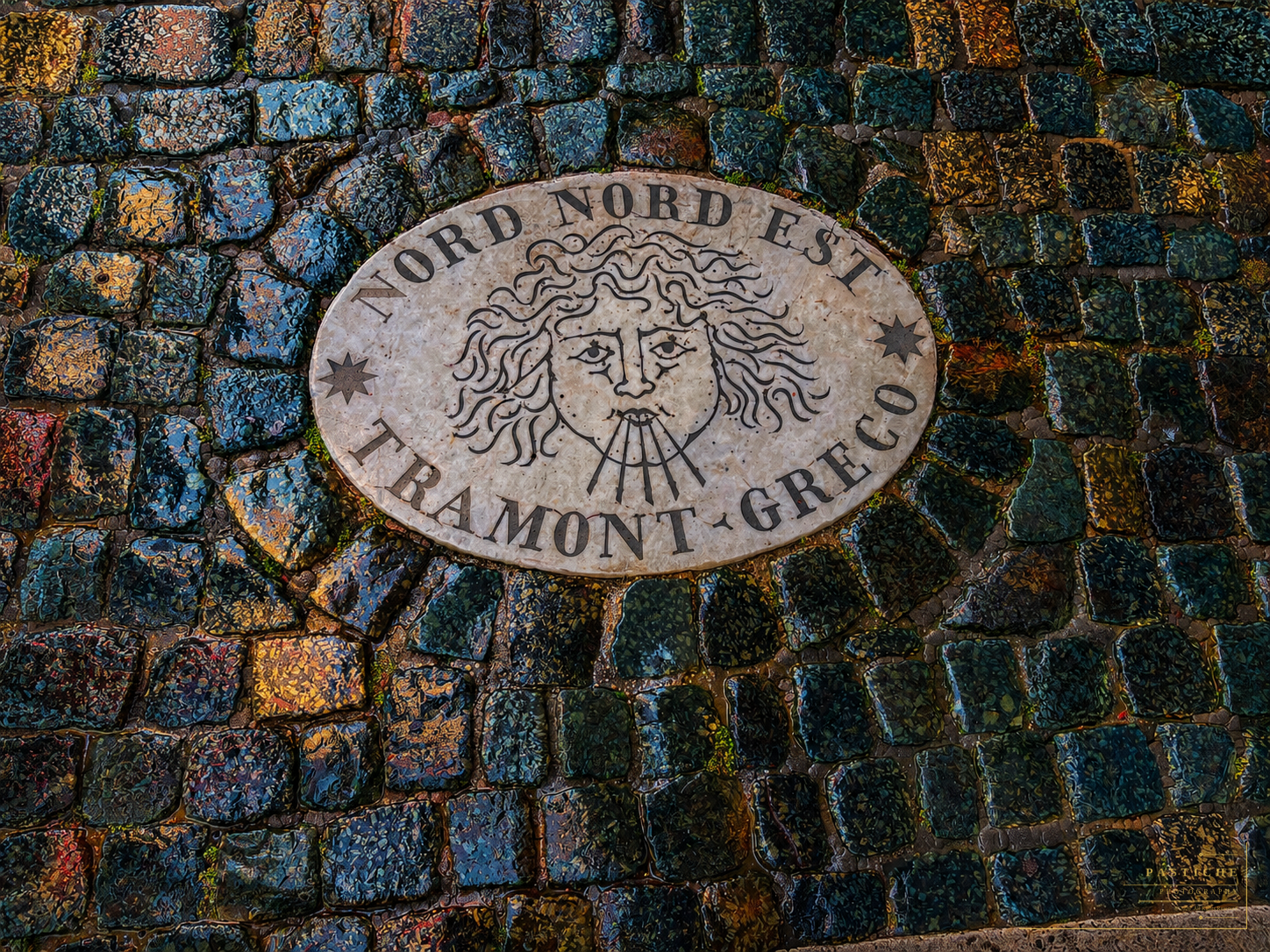
St. Peter’s Square is one of those places that feels larger than life the moment you walk into it. Designed by Gian Lorenzo Bernini between 1656 and 1667, the square was created to welcome massive crowds gathering for papal blessings and religious ceremonies. The sweeping elliptical colonnades seem to reach out around the piazza, often described as the welcoming arms of the Church.
But the history of this place goes back long before Bernini’s design.
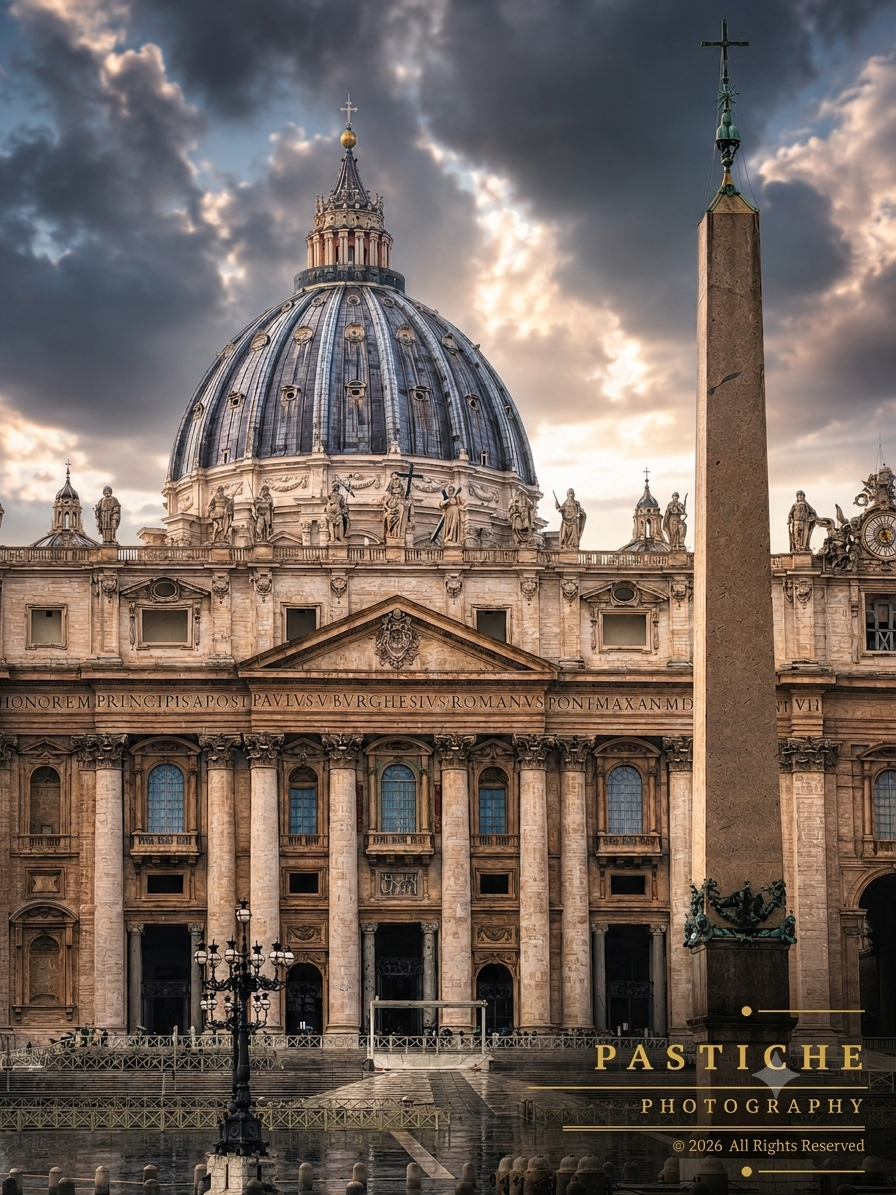
In ancient Rome, this area was part of the Circus of Nero, where public events were held and where early Christians, including Saint Peter, are believed to have been martyred. The obelisk that stands in the center of the square today once stood in that Roman circus, making it one of the oldest and most powerful pieces of history in the entire piazza.
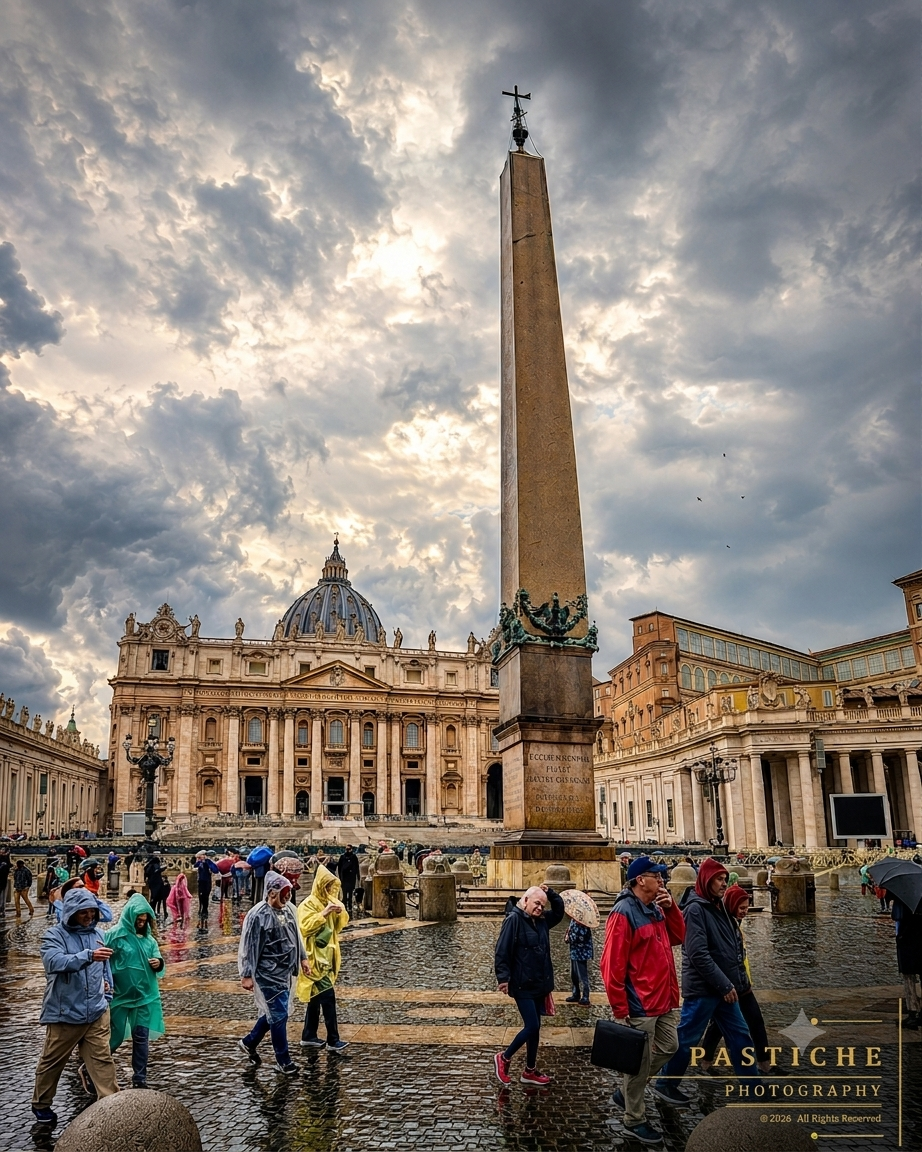
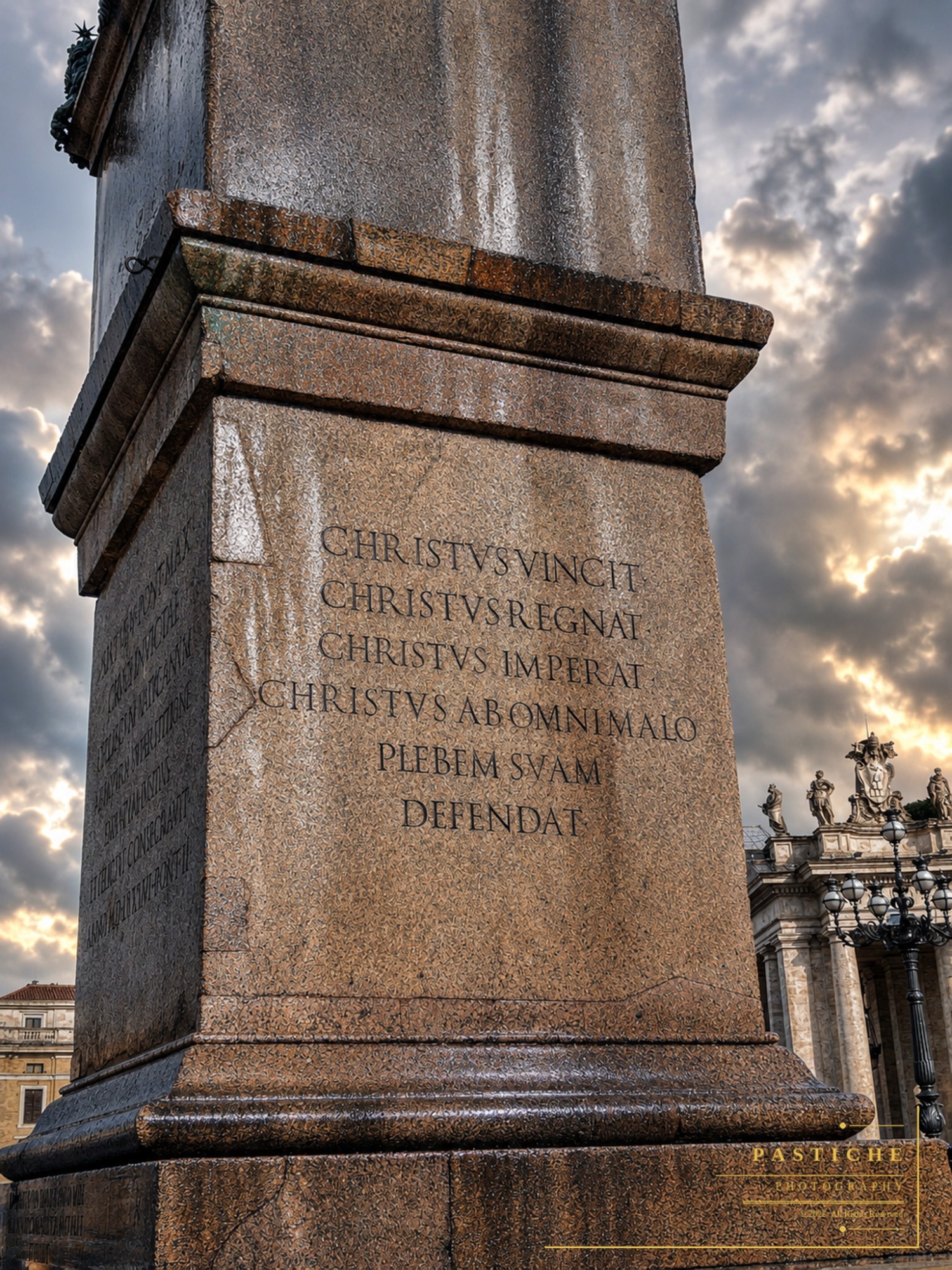
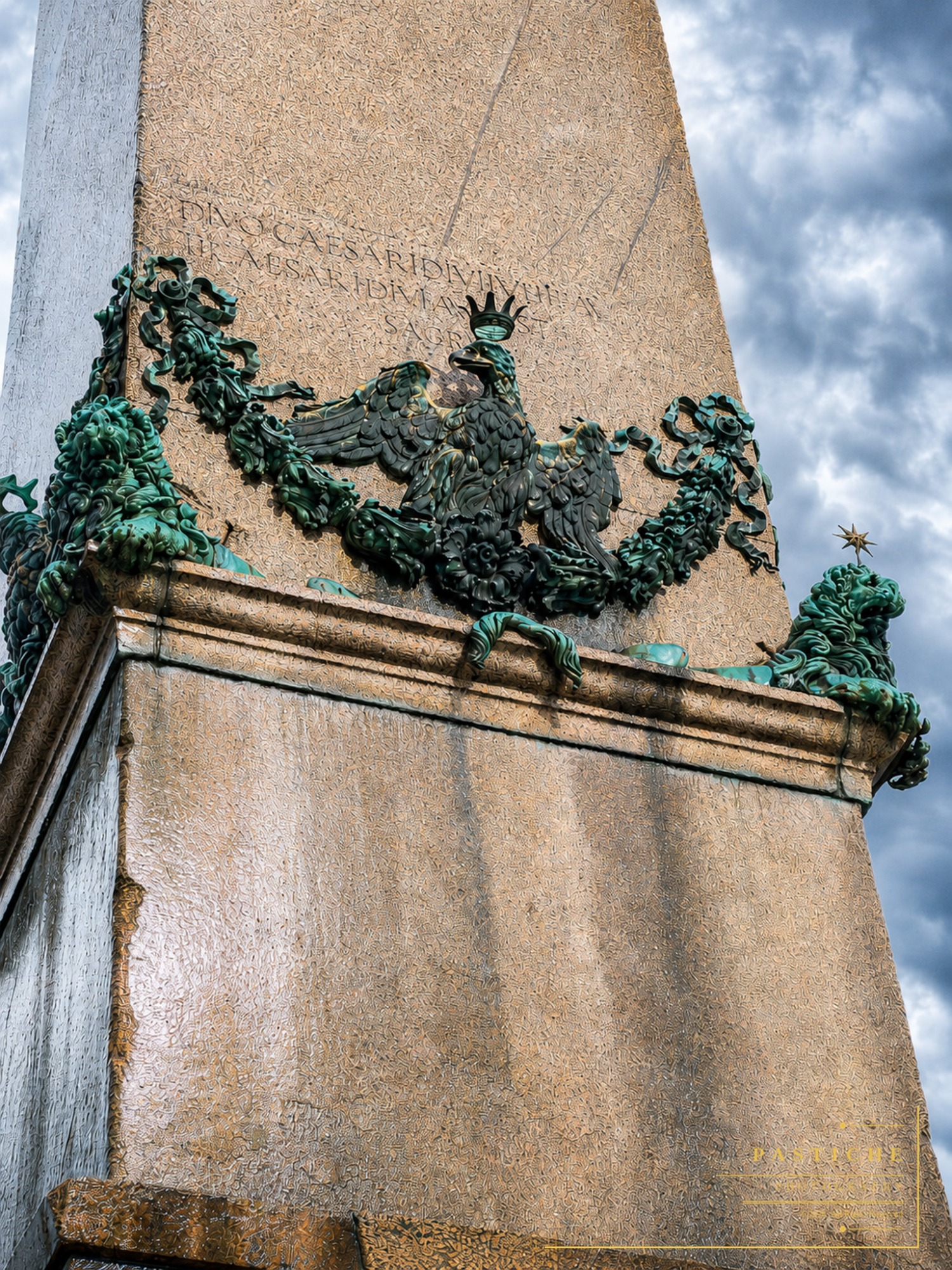
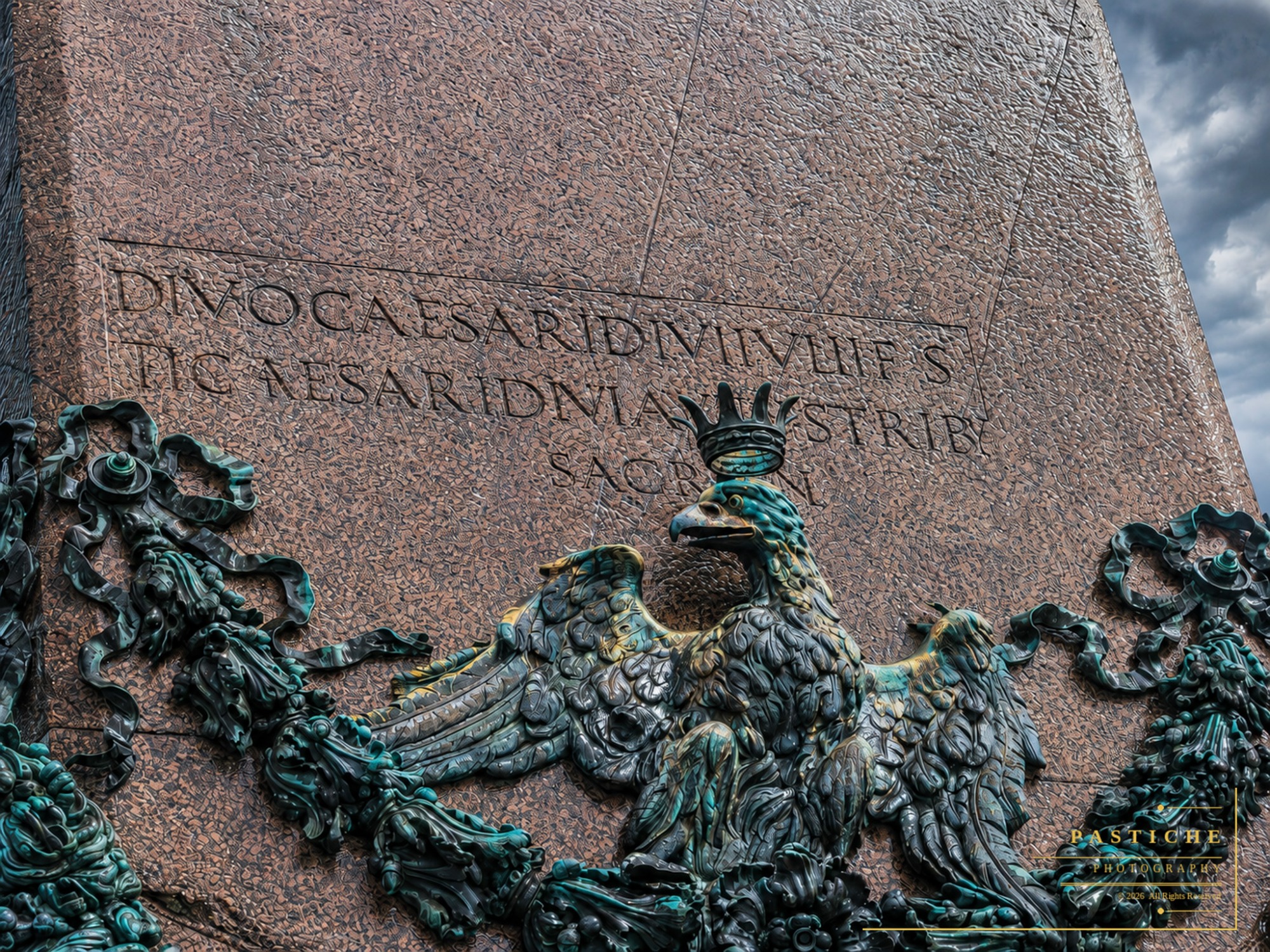
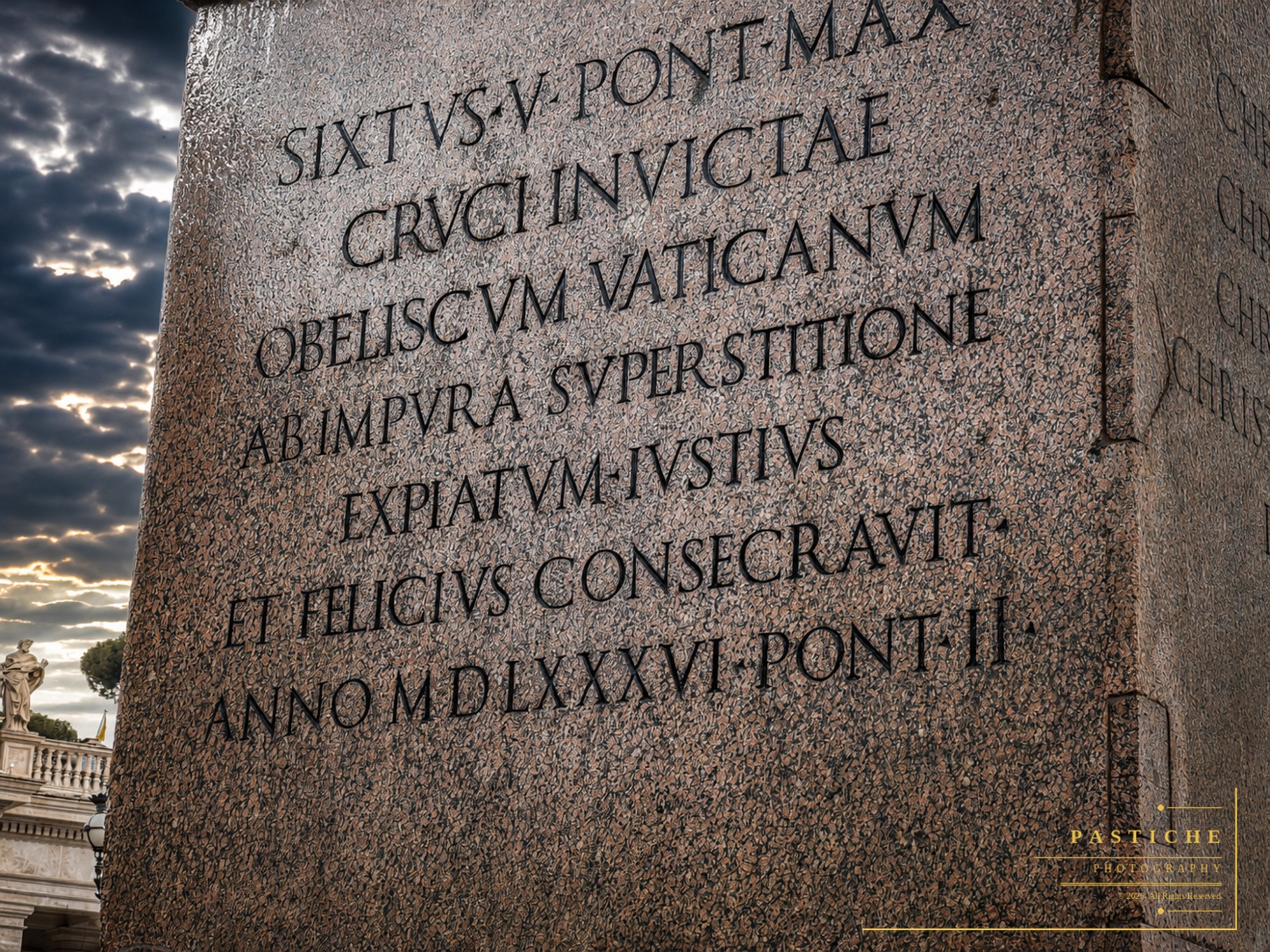
The Vatican Obelisk was originally brought from Heliopolis, Egypt, to Rome by Emperor Caligula in 37 AD. Standing about 25 meters tall and carved from red granite, it remained from the ancient Roman world into the Christian era. In 1586, Pope Sixtus V had architect Domenico Fontana move it to the center of the square, where it became a symbol of Christianity rising over Rome’s pagan past.
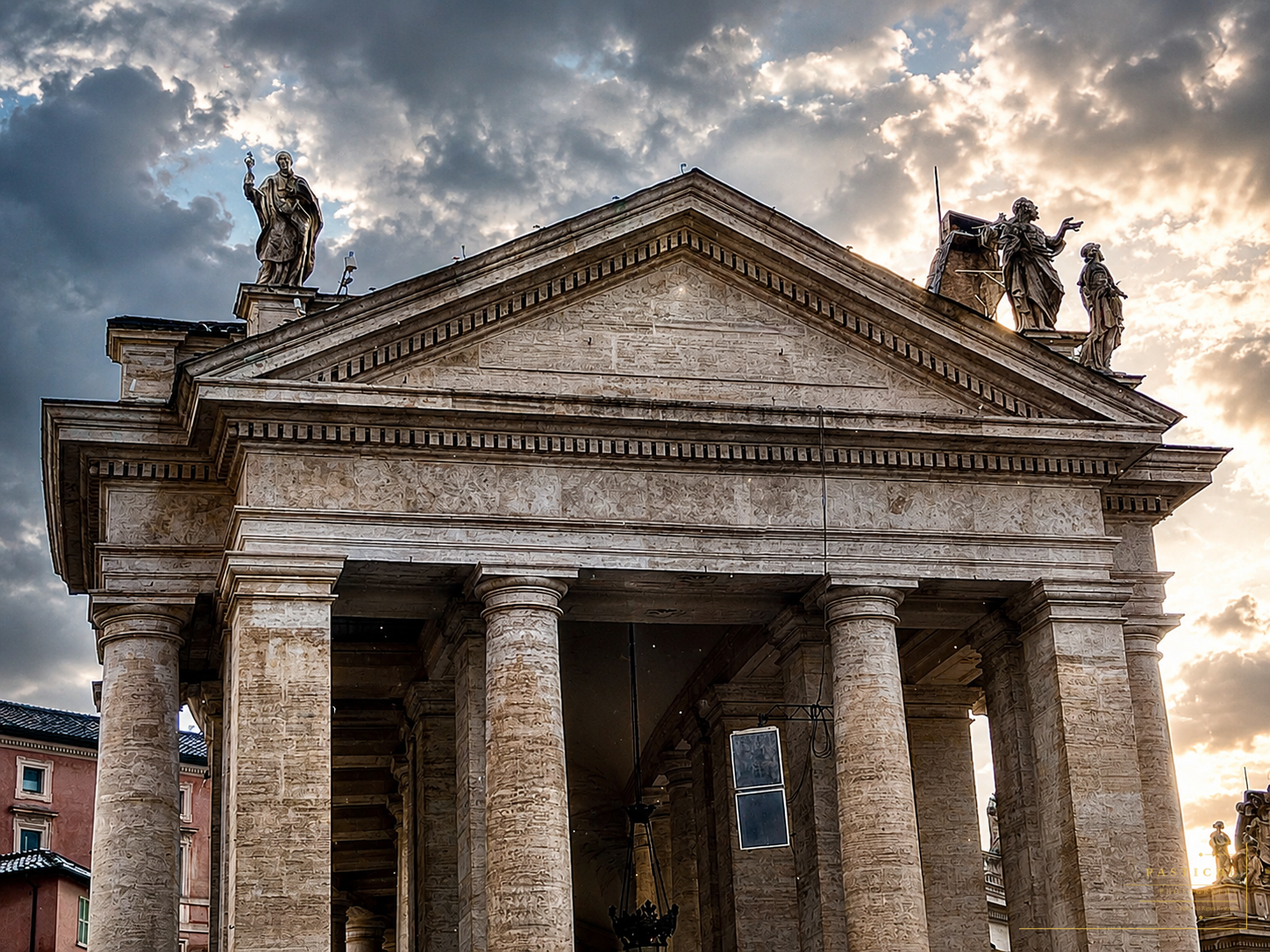
The square we see today took shape under Pope Alexander VII, who commissioned Bernini to create a grand open space for pilgrims from around the world. Completed in 1667, Bernini’s design includes 284 Doric columns arranged in a way that creates a remarkable visual effect. From certain points in the square, the rows of columns appear to line up as one.
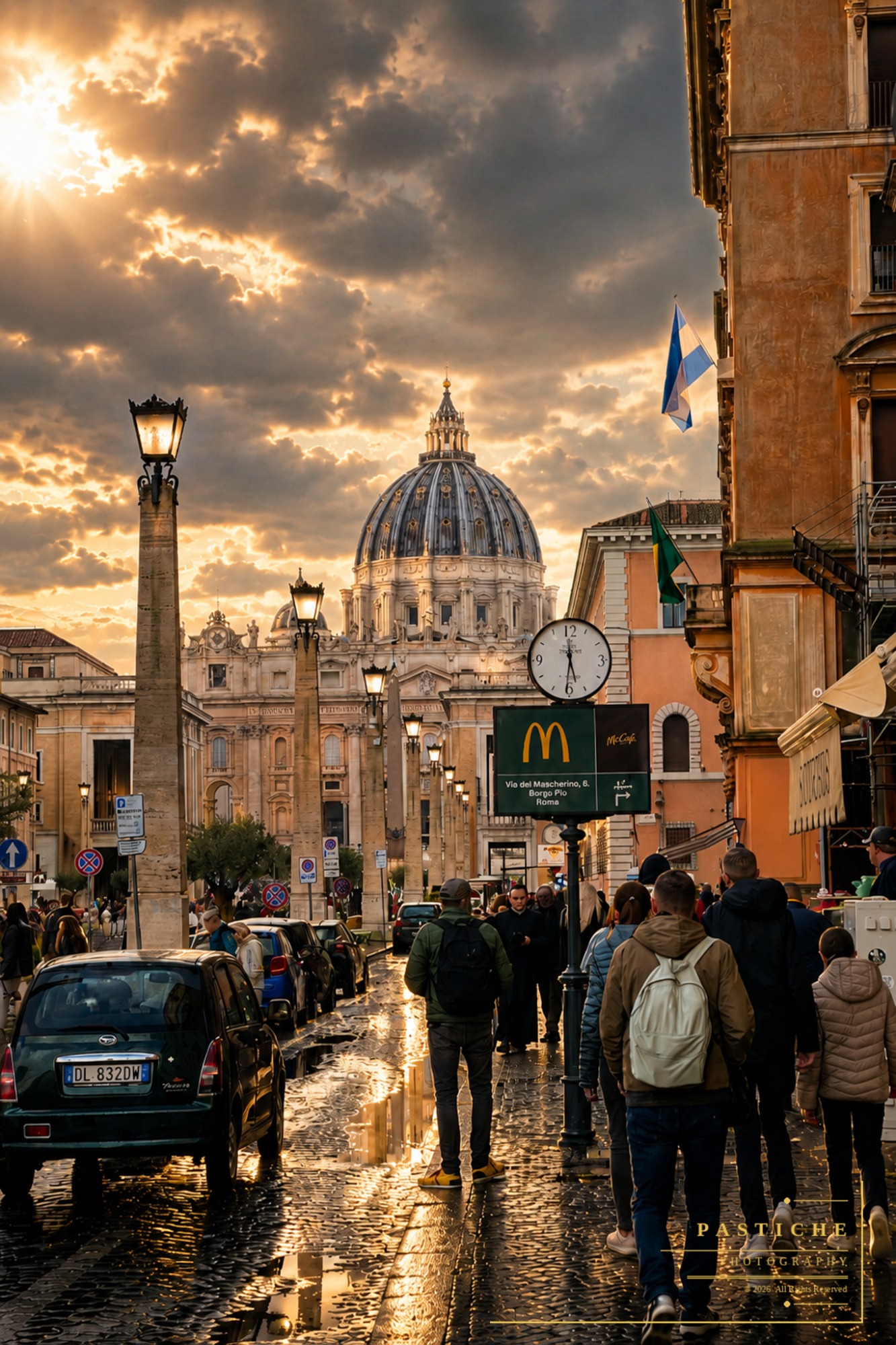
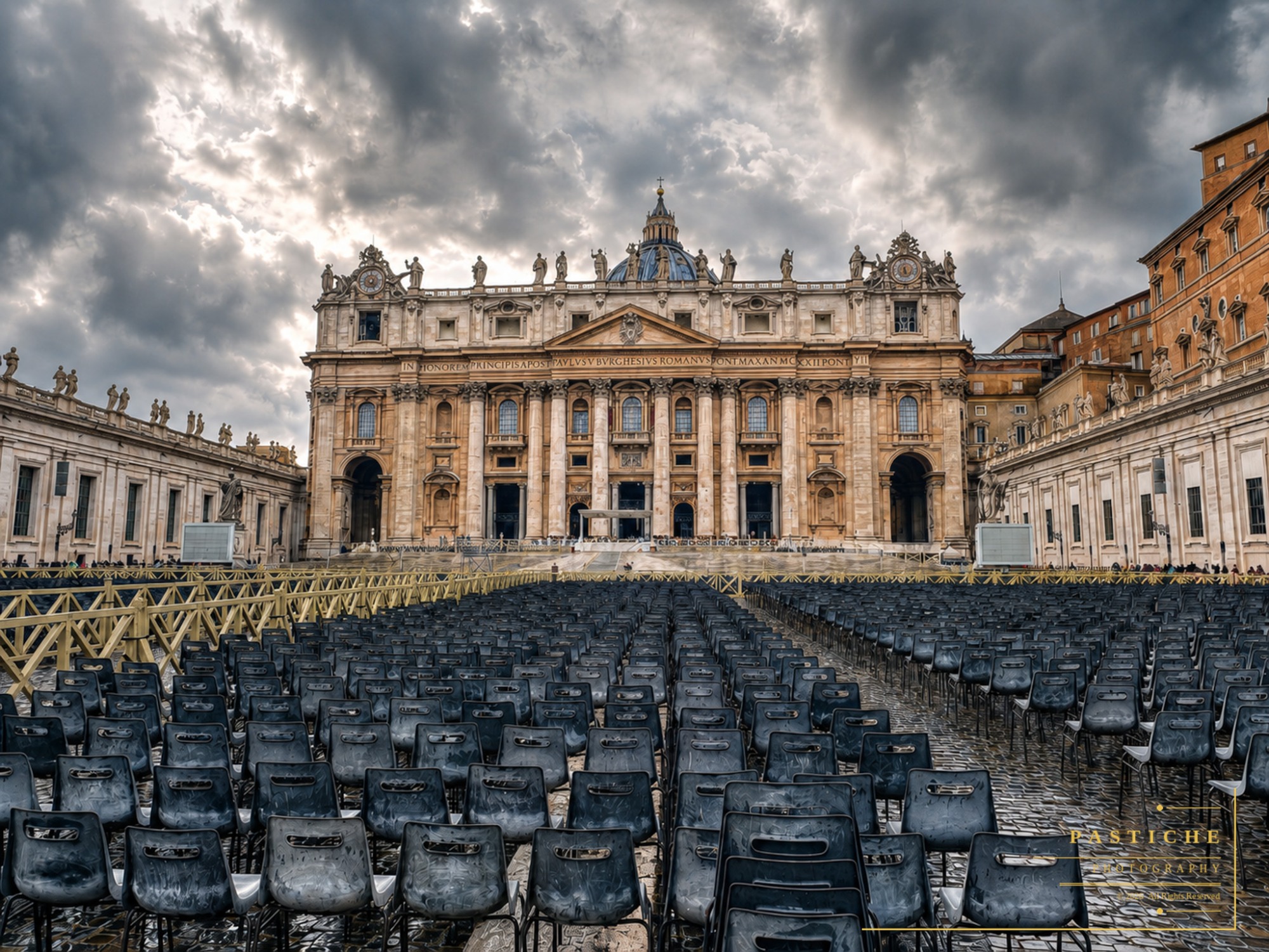
Standing there after the rain, with the stone still wet and the light shifting across the basilica, it is easy to feel how much history has passed through this place — Roman, Christian, artistic, and human all at once.
We need your consent to load the translations
We use a third-party service to translate the website content that may collect data about your activity. Please review the details in the privacy policy and accept the service to view the translations.